ave you noticed small, itchy blisters forming on your fingers, palms, or soles of your feet? These could be signs of dyshidrosis, also known as dyshidrotic eczema.
To learn more and receive proper care, consult the best dermatologist in East New York at Dermatology – Doral Health & Wellness NY—where expert care meets personalized treatment.
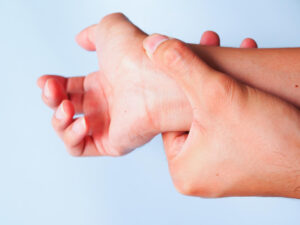
Dyshidrosis is a chronic type of dermatitis (eczema) that causes tiny, fluid-filled blisters to form on the skin, most commonly on the hands and feet. These blisters are usually intensely itchy, can cause burning sensations, and may even be painful, especially if they burst or become infected.
Each flare-up typically lasts about two to three weeks, but the condition tends to recur periodically. With frequent outbreaks, the affected skin may begin to crack, thicken, and peel—resulting in dry patches, fissures, and an increased risk of infection.
The blisters often:
Appear in clusters
Merge to form larger blisters
Cause tightness and irritation
Lead to scaly or flaky skin after healing
What Causes Dyshidrosis?
The exact cause of dyshidrosis remains unclear, but it is widely believed to be linked to multiple factors that can trigger or exacerbate the condition. Dyshidrosis is often associated with other skin conditions such as atopic dermatitis (eczema) and hay fever (allergic rhinitis). While we may not have a definitive cause, there are several known triggers and risk factors that can lead to flare-ups.
Key Triggers and Causes of Dyshidrosis:
Stress
One of the most common triggers is emotional or physical stress. During stressful periods, your immune system may become more reactive, leading to skin inflammation and outbreaks. People under emotional distress or physical stress (such as illness or fatigue) may experience more frequent and intense flare-ups of dyshidrosis.Sensitive Skin
If you have naturally sensitive skin, certain external factors may provoke a reaction that triggers dyshidrosis. This can include exposure to harsh soaps, chemicals, or even abrasive materials. Regular exposure to water or frequent hand washing can further irritate sensitive skin and worsen symptoms.Exposure to Metals
Contact with certain metals, particularly nickel and cobalt, has been linked to dyshidrosis flare-ups. People who have metal allergies may develop dyshidrosis after wearing jewelry or using products that contain these metals, such as watches, belt buckles, or even food containers.Atopic Dermatitis (Eczema)
Individuals with a history of atopic dermatitis, a chronic skin condition often associated with other allergic diseases, are at a higher risk of developing dyshidrosis. People with atopic dermatitis may have an impaired skin barrier, making their skin more susceptible to irritants and flare-ups.Environmental Factors
Environmental factors like hot and humid weather can worsen dyshidrosis. Excessive sweating, especially on the hands and feet, combined with friction or moisture, can provoke the formation of blisters. Additionally, extreme changes in temperature or cold, dry air may also trigger the condition.Allergic Reactions
Dyshidrosis can be aggravated by allergies to airborne substances like pollen, dust mites, or pet dander. If you suffer from hay fever or other allergic conditions, your skin may be more prone to flare-ups of dyshidrosis.Infections
Some individuals may experience dyshidrosis as a result of skin infections, including fungal or bacterial infections. These infections can compromise the skin’s integrity and create an environment conducive to blister formation.Family History
There seems to be a genetic component to dyshidrosis. If you have a family history of eczema, allergies, or other skin conditions, you may be more likely to develop this condition.
Possible Treatment Options for Dyshidrosis
Because dyshidrosis causes intense itchiness, scratching is hardly avoided. Too much scratching on the affected area can cause sores and you’ll have an increased risk of bacterial infection. To prevent too much scratching, there are available treatments that can relieve some of your skin’s itchiness. Depending on the severity of your dyshidrosis, treatments can include:
- Corticosteroids – these are creams and ointments used to speed up the disappearance of blisters on your skin. You can wrap the affected in plastic wrap for better absorption.
- Immune-suppressing ointments – this is a type also a type of ointment that you can use for the treatment of your dyshidrosis
- Phototherapy – if other treatment methods are not effective, your doctor can recommend this type of treatment which uses a special kind of light therapy that combines exposure to UV lights with drugs
- Botulinum toxin injections – this type of treatment can be recommended by your doctor to treat severe cases of dyshidrosis
Keep in mind that self-medicating can usually cause more damage and infection to your skin. Always seek medical attention so your doctor can give you the right and proper medication for your condition.
Also, make sure that you practice good hygiene and skin care practices to help protect your skin. You can:
- Use mild cleansers and lukewarm water to wash your hands
- Make sure that you moisturize regularly after washing and drying your hands
At Doral Health and Wellness Dermatology Center, our dermatologists are ready to help you take care of your skin conditions. As dermatology experts in Brooklyn, New York we are dedicated in providing the best services. You can visit us at 1797 Pitkin Avenue, Brooklyn, New York 11212 to schedule an appointment. You can also call us at 1-347-384-5690 or visit our website at https://www.bestbrooklyndermatologist.com to schedule an appointment online