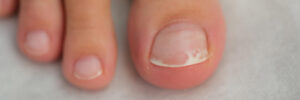
Are you experiencing signs like brittle nails, muscle cramps, or spasms? If yes, chances are you’ve developed calcium disorders, which happen when you have too much or too little calcium in the blood. Most of the symptoms occur when the condition gets severe. However, calcium disorders are manageable. Learn calcium disorder types, causes, and symptoms in this article. Log on to www.doralhw.org for a consultation.
Types of Calcium Disordersç
Calcium disorders are conditions that disrupt the delicate balance of calcium levels in the blood. Maintaining this balance is crucial for several vital functions, including muscle contraction, nerve transmission, and bone health. When this balance is off—either too high or too low—it leads to two primary conditions: hypercalcemia and hypocalcemia.
Hypercalcemia
Hypercalcemia is a type of calcium disorder that occurs when calcium levels in the bloodstream rise above normal. While calcium is essential for the body, too much of it can have dangerous consequences. Elevated calcium can:
Weaken bones, increasing the risk of fractures.
Form kidney stones, which are painful and may lead to infection.
Affect brain function, causing confusion or lethargy.
Disrupt heart rhythm, potentially leading to cardiac arrest or coma in severe cases.
Most cases of hypercalcemia are linked to underlying health issues such as overactive parathyroid glands or certain cancers. It is especially common in women over 50. Early detection and proper calcium disorder management are essential to prevent irreversible complications.
Hypocalcemia
On the other end of the spectrum, hypocalcemia happens when calcium levels in the blood are too low. This form of calcium disorder can impair the function of nerves and muscles, leading to a variety of symptoms, including:
Muscle cramps and spasms
Tingling in the fingers and around the mouth
Brittle nails, weak teeth, and hair loss
Heart rhythm problems
Though hypocalcemia can be temporary and manageable, chronic or untreated cases may lead to long-term health issues. It is more commonly seen in newborns, children, and aging women—particularly those experiencing hormonal shifts. Managing this type of calcium disorder often involves supplements, dietary changes, and treatment of the root cause.
Hypercalcemia Causes
The causes of calcium disorders are different based on the type.
Hypercalcemia can be caused by many factors, including:
- Overactive parathyroid glands: Parathyroid glands release hormones to manage the levels of calcium in the blood. If parathyroid glands start producing too much parathyroid hormone, it can trigger hypercalcemia. It may be caused by a small tumor of the parathyroid that doesn’t necessarily lead to cancer. It can happen to one or more of the parathyroid glands and make them larger.
- Cancer: Cancers such as lung cancer, breast cancer, and some blood cancers can lead to hypercalcemia. Cancer can also spread to the bones and raises the risk of hypercalcemia.
- Other diseases: Conditions like tuberculosis and sarcoidosis can increase the levels of vitamin D which can trigger your digestive tract to absorb more calcium.
- Genetic factors: It’s a rare genetic condition called familial hypocalciuric hypercalcemia that causes an increase of calcium in the blood. It doesn’t cause any symptoms or complications of hypercalcemia.
- Not being physically active: People who have a systemic condition making them immobile or people who like to spend most of their time sitting or lying down can develop hypercalcemia. Over time, bones not able to bear weight release calcium into the blood.
- Serious dehydration: This is a very common cause of mild or short-term hypercalcemia. It occurs when less fluid in the blood causes a rise in calcium.
- Some medicines: Medicines such as lithium and thiazide diuretics may increase the production of parathyroid hormone which increases calcium levels in the blood.
- Supplements: If you take too much calcium or vitamin D supplements over time you can see elevated calcium levels in the blood.
Hypocalcemia causes
Similar to hypercalcemia, hypocalcemia is caused by many factors, including:
- Hypoparathyroidism: It happens when your parathyroid glands don’t produce enough parathyroid hormone (PTH). Low levels of PTH cause hypocalcemia. You may have this from an inherited disorder or when one or more of your parathyroid glands or thyroid glands is surgically removed.
- Vitamin D deficiency: Vitamin D helps your body to absorb calcium efficiently, without it, the body may suffer from low levels of calcium in your blood. Vitamin D deficiency can also be caused by an inherited disorder, not getting enough sunlight, or not getting enough food products that contain vitamin D.
- Kidney failure: Hypocalcemia can happen due to chronic renal failure which occurs due to an increased level of phosphorus in your blood and decreased renal production of a certain kind of vitamin D.
- Certain medications: Medications such as bisphosphonates, corticosteroids, rifampin, calcitonin, chloroquine, cinacalcet, Denosumab, foscarnet, and plicamycin can lead to hypocalcemia.
- Pseudohypoparathyroidism: It is an inherited disorder that causes your body to not respond properly to the normal amount of parathyroid hormone which directly affects your calcium levels in the blood.
- Pancreatitis: Around 15 to 88% of people may have acute pancreatitis condition that causes hypocalcemia. It means inflammation of the pancreas gland.
- Hypomagnesemia: Your parathyroid glands need magnesium to produce parathyroid hormone (PTH). If your diet lacks magnesium, it automatically decreases your PTH production and also drops your blood calcium levels which causes hypocalcemia.
- Certain rare genetic disorders: Genetic mutations such as DiGeorge syndrome, can cause hypocalcemia.
- Digestive disorders: Problems like constipation and diarrhea affect the body’s ability to absorb calcium from foods properly.
- Massive blood transfusions: When you get blood transfusions the presence of anticoagulant citrate in each unit of blood can decrease your calcium levels in the blood.
- Alcoholism: It can prevent the body from getting/absorbing, and metabolizing the right amount of minerals like calcium, vitamin D, and magnesium.
Symptoms of Calcium Disorders
Calcium disorders, como la hipocalcemia (calcio bajo) y la hipercalcemia (calcio alto), pueden desarrollarse de forma silenciosa, sin síntomas en sus etapas leves. Sin embargo, a medida que la alteración se vuelve más severa, los signos físicos y mentales comienzan a notarse, afectando múltiples sistemas del cuerpo, desde los huesos hasta el corazón y el cerebro.
Hypercalcemia Symptoms (Exceso de calcio en la sangre)
Bone pain: Puede sentirse como un dolor profundo o molestia persistente, especialmente en los huesos largos. Esto se debe a que el exceso de calcio puede debilitar la estructura ósea, aumentando el riesgo de fracturas.
Abdominal pain: Es común experimentar molestias digestivas, ya que el exceso de calcio puede afectar el funcionamiento del sistema gastrointestinal.
Constipation: El alto nivel de calcio ralentiza los movimientos intestinales, lo que lleva a estreñimiento persistente o dificultad para evacuar.
Difficulty sleeping: Los pacientes pueden tener insomnio o interrupciones en el sueño debido a malestares físicos, sed constante o necesidad frecuente de orinar durante la noche.
Fatigue: La debilidad muscular, deshidratación y el esfuerzo del cuerpo para eliminar el exceso de calcio pueden causar fatiga extrema.
Extreme thirst: El cuerpo intenta eliminar el calcio extra a través de la orina, lo que causa deshidratación y una sed excesiva (polidipsia).
Frequent urination: Conocida como poliuria, es un intento del cuerpo de filtrar y eliminar el exceso de calcio a través de los riñones.
Muscle pain: El desequilibrio mineral puede generar dolor y debilidad muscular, especialmente en piernas y brazos.
Nausea & Vomiting: El sistema digestivo se ve afectado, generando náuseas constantes y, en casos severos, vómitos.
Weakness: Se presenta como una sensación general de falta de energía o incapacidad para realizar tareas cotidianas.
Heartburn: El exceso de calcio puede alterar el pH estomacal, lo que contribuye a reflujo ácido o sensación de ardor en el pecho.
Hypocalcemia Symptoms (Deficiencia de calcio en la sangre)
Muscle cramps (especially back and legs): Los calambres musculares intensos, particularmente en la espalda baja y las piernas, son comunes y se deben a la mala comunicación entre los nervios y los músculos por la falta de calcio.
Dry, scaly skin: La piel puede volverse áspera, descamada y reseca, ya que el calcio es vital para la salud y regeneración cutánea.
Brittle nails: Las uñas se vuelven frágiles, se parten con facilidad o presentan estrías verticales.
Coarse hair: El cabello puede lucir opaco, más grueso de lo normal, quebradizo y con tendencia a la caída.
Advanced or Untreated Hypocalcemia Symptoms
Si la hipocalcemia no se trata a tiempo, los síntomas pueden agravarse y afectar funciones críticas del organismo:
Confusion: Las funciones cerebrales se ven afectadas, generando desorientación o dificultad para concentrarse.
Memory problems: Pérdidas de memoria a corto plazo o dificultad para recordar tareas cotidianas.
Irritability or restlessness: Cambios de humor, ansiedad o agitación, especialmente en niños y adolescentes.
Depression: El desequilibrio de calcio puede alterar neurotransmisores, desencadenando episodios depresivos.
Hallucinations: En casos graves, puede haber percepción de cosas que no existen (visuales o auditivas).
Congestive heart failure: El mal funcionamiento del corazón por falta de calcio puede derivar en insuficiencia cardíaca congestiva, donde el corazón no bombea sangre de forma eficaz.
Seizures: Las convulsiones son respuestas neurológicas extremas por la alteración en la transmisión eléctrica del cerebro.
Muscle aches: Dolores musculares constantes, que pueden afectar el rendimiento físico y causar malestar general.
Muscle spasms: Espasmos involuntarios, a veces dolorosos, que ocurren con mayor frecuencia en las extremidades o la cara.
Tingling in lips, tongue, fingers, or feet: Sensación de hormigueo o entumecimiento, conocida como parestesia, común en personas con hipocalcemia prolongada.
Stiffening and spasms of muscles: Esta rigidez se conoce como “tetania” y puede causar movimientos bruscos, tensión muscular y dificultad para controlar el cuerpo.
Abnormal heart rhythms: La hipocalcemia puede provocar arritmias peligrosas que requieren atención médica inmediata.
If you have calcium disorders symptoms, then visit our endocrinology clinic in Brooklyn to get professional medical help. Want to learn what symptoms occur when you have calcium disorders? Call us on +13473845690 and get answers for all your queries. Log on to www.doralhw.org or visit us at 1797 Pitkin Avenue, Brooklyn, NY 11212 to book an appointment with our endocrinologist to get the best treatment. We have the best endocrinologists who treat these kinds of diseases and helpful staff to aid you during your treatment.