Understanding Premenstrual Syndrome (PMS)
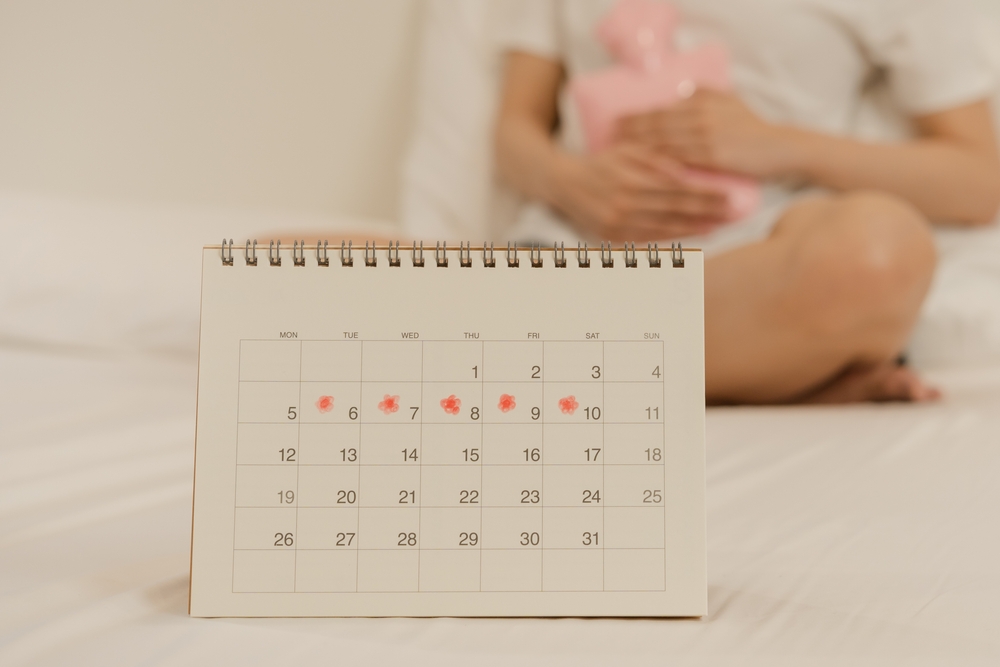
Premenstrual syndrome or PMS (premenstrual syndrome) affects most women. Over 90% of women get PMS with varying signs and symptoms. Symptoms are experienced a week or two before their period. Sometimes PMS prevents women from doing their usual daily activities due to the severity of the symptoms they experience. Schedule an appointment with the best GYN in East New York at Doral Health and Wellness – Women’s Health Center.
Usually, PMS is a combination of physical and emotional symptoms that many women experience every month. Research shows that PMS happens because of raging hormones during ovulation. And PMS goes away after a few days after menstruation when hormone levels start to rise again.
PMS symptoms differ for every woman. Some may get physical symptoms, some may get emotional symptoms, and some get both. It is also important to note that the symptoms you get may change every month and can change throughout your life.
Common Physical Symptoms of PMS
Premenstrual Syndrome can cause a wide range of physical symptoms that affect your day-to-day comfort and energy levels. These symptoms usually begin one to two weeks before your period starts and may ease after menstruation begins. Common PMS symptoms include:
Constipation and diarrhea: Hormonal changes can affect your digestive system.
Cramps: Painful uterine contractions often occur before or during your period.
Headache: Fluctuating hormone levels can trigger tension or migraine headaches.
Bloating or gassy feeling: Water retention is a common symptom during PMS.
Breast tenderness: Increased sensitivity or swelling in the breasts.
Acne flare-ups: Hormonal imbalances can lead to breakouts or oily skin.
Fatigue: A drop in energy or constant tiredness is commonly reported.
Joint and muscle pains: General aches may increase before your period.
Lower tolerance to noise and light: Sensory sensitivity can heighten during PMS.
Emotional symptoms include:
Premenstrual Syndrome doesn’t just affect your body—it can also take a significant toll on your emotions and mental health. These symptoms often appear in the luteal phase of your menstrual cycle and may impact your relationships, productivity, and overall well-being. Common emotional and behavioral PMS symptoms include:
Feeling tired or drained: Even with enough sleep, many women report low energy levels before their period.
Tension or anxiety: Increased feelings of nervousness or unease are frequently linked to hormonal fluctuations.
Mood swings, irritability, or anger: Emotional highs and lows can come quickly and feel overwhelming.
Food cravings or changes in appetite: Many experience intense cravings for sugary, salty, or high-carb foods.
Insomnia or sleep disturbances: Difficulty falling or staying asleep can worsen fatigue and irritability.
Poor concentration and focus: “Brain fog” or forgetfulness is a common complaint during PMS.
Change in libido: Some women notice a drop or increase in sexual desire leading up to their period.
Depressed mood and crying spells: Feelings of sadness or hopelessness can be intense, especially in more severe cases of PMS or PMDD (Premenstrual Dysphoric Disorder).
Causes and Contributing Factors
The exact cause of premenstrual syndrome is not fully understood, but several factors contribute to its development and severity. These include both physical and emotional triggers that interact with the body’s natural cycle:
Hormonal change: The signs and symptoms of premenstrual syndrome often fluctuate with changes in estrogen and progesterone levels. These hormonal shifts can trigger mood swings, fatigue, and irritability, especially in the days leading up to menstruation.
Chemical changes in the brain: Serotonin, a neurotransmitter that helps regulate mood, plays a critical role in PMS. Low levels of serotonin are linked to symptoms such as sadness, food cravings, sleep disturbances, and emotional sensitivity—common features of premenstrual syndrome.
Depression: Many women with undiagnosed or underlying depression report more severe PMS symptoms. While depression alone does not cause PMS, it can intensify emotional symptoms and make them harder to manage.
Managing and Treating PMS
While Premenstrual Syndrome affects each woman differently, certain lifestyle changes can significantly help in reducing the severity and impact of its symptoms. Here are effective strategies to manage PMS naturally:
Regular exercise: Engaging in aerobic activities like walking, cycling, or swimming at least 30 minutes a day can help boost mood, reduce fatigue, and alleviate Premenstrual Syndrome.
Eating a balanced and healthy diet: Focus on consuming whole grains, lean proteins, fruits, and vegetables. Reducing sugar, caffeine, and salty foods can help lessen bloating, irritability, and food cravings.
Getting 7-8 hours of sleep every day: Proper sleep improves mood, concentration, and emotional stability during the menstrual cycle.
Reducing stress by practicing yoga or meditation: Stress can intensify PMS symptoms. Relaxation techniques like deep breathing, mindfulness, and gentle stretching can ease tension and emotional discomfort.
Taking painkillers to manage and ease the pain: Over-the-counter medications like ibuprofen or naproxen can be effective in relieving cramps, headaches, and breast tenderness.
Your doctor can also recommend the following treatments:
- Hormonal medication
- Antidepressants
- Dietary supplements
Managing PMS could be incredibly challenging. If PMS is already affecting your lifestyle and daily activities, it is time to consult a doctor. At Doral Health and Wellness, our gynecology team is always available to help you with your medical needs. To book an appointment, please visit or call 718-DORAL-55. At Doral Health and Wellness – Women’s Health Center, we have the best GYN doctor in East New York, and we provide women with quality healthcare services. To schedule an appointment, you can visit us at 1797 Pitkin Avenue, Brooklyn, New York 11212, or call us on 1-347-384-5690 or 1-347-955-3465. You can also visit our website at Women’s Health – Doral Health & Wellness Brooklyn NY