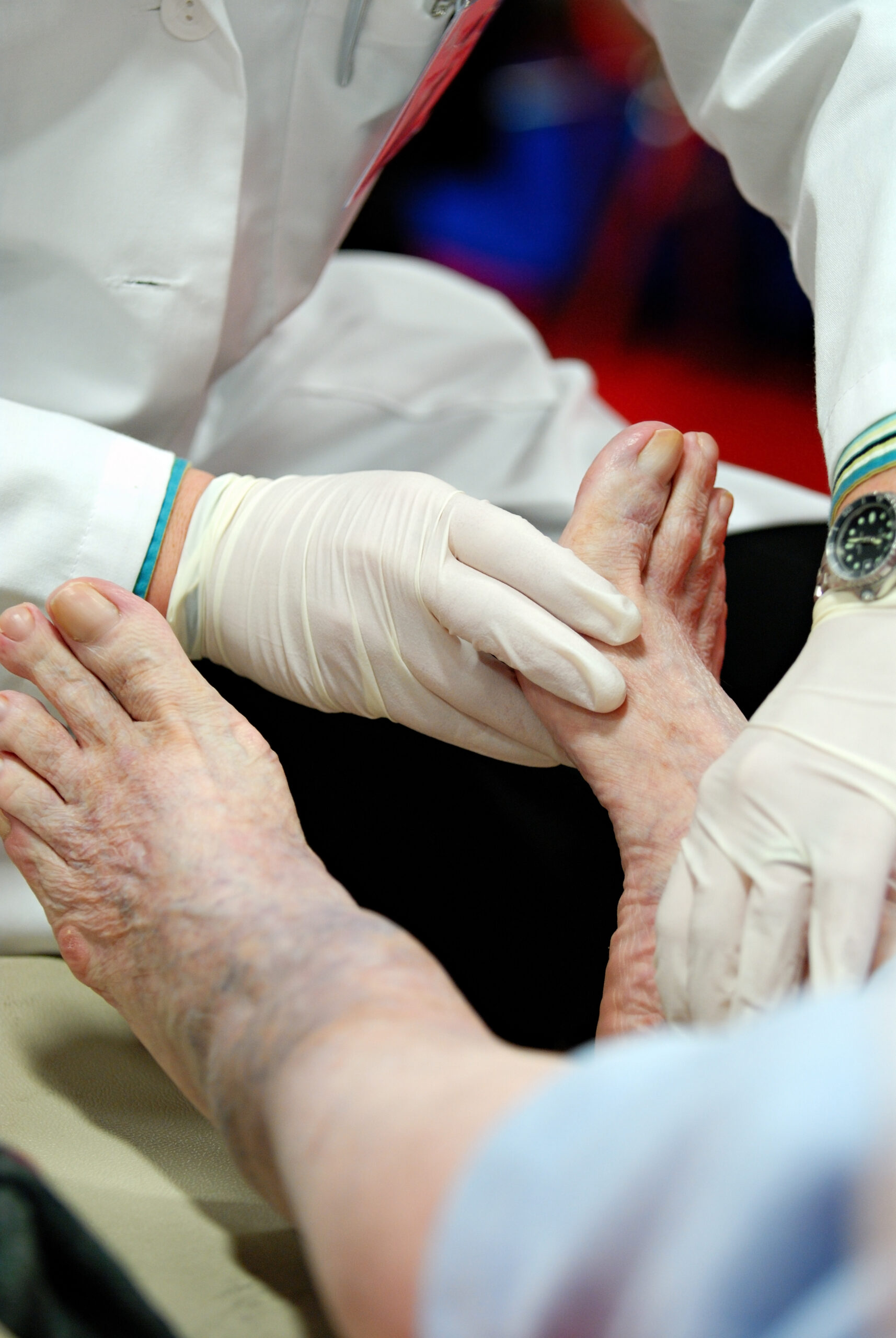
If you have diabetes, your doctor may recommend that you consult a podiatrist or undergo a diabetic foot examination, which is a series of tests to check your foot health. But why is it necessary? Who should take it? And what to expect? Read this article to learn everything you need to know about diabetic foot examinations. Get a consultation with the best Podiatrists in Brooklyn.
Who needs a Diabetic Foot Examination?
People with diabetes typically need to have a complete diabetic foot exam at least once a year to prevent serious infections because diabetes is a chronic condition that increases the risk of serious infections and conditions. Most of the infections affect the foot. That’s why a diabetes foot exam is crucial for diabetes patients. A complete foot exam may be performed by a primary care provider or a podiatrist (foot doctor). A podiatrist will examine your feet and help you keep them healthy and treat foot diseases. You should always follow up on your appointments and checkups to keep your feet healthy. In case you develop any of these foot symptoms, you should contact your podiatrist immediately:
- a blister, cut, bruise, or other foot injury that doesn’t get better in a few days.
- The skin of the foot getting red, warm, or painful, which is an early sign of infection.
- A callus that has dried blood inside it, which may indicate a wound under the callus.
- If your foot is getting black and smelly, it’s a sign of gangrene.
What to Expect During Your Visit?
During your visit for a diabetes foot exam, you can expect the following:
- General assessment:
During your visit, your provider will ask questions about your medical history, which involves how you manage your diabetes, other conditions you may have, and your symptoms. Your provider also inspects your medications and checks your shoes to see if they are in the proper shape or size according to your feet or not.
- Dermatologist assessment:
Your provider will inspect your nails and skin by checking signs for:
- Dryness, cracking, calluses, blisters, ulcers, and other damage or abnormalities on the skin.
- The toenails have signs of cracking or fungal infection.
- The temperature of your feet is not the same as your body temperature.
- Musculoskeletal assessment:
Your provider will inspect your foot shape and posture by checking the signs for:
- Bent or overlapping toes
- Bunions
- Flat shape bottom of the foot
- High-arched foot
- Hammertoes
- Neurological assessment:
Your provider will perform a few tests to check your nerves and sensations in your feet:
- Monofilament test: In this test, you need to close your eyes while your podiatrist brushes a soft strand of nylon over your foot and toes, to check for loss or reduction in your foot pressure sensations.
- Turning fork and vibration perception threshold tests (VPT): In this test, your podiatrist puts a tuning fork or other device that vibrates on different parts of your foot and toes to check if you have lost or reduced vibration sensations in your foot.
- Pinprick test: In this test, your podiatrist will gently press a small pin in your big toe to see if you can feel the pain. The podiatrist makes sure the pin doesn’t break through your skin.
- Ankle reflexes: In this test, your podiatrist will use a special tap hammer to hit your Achilles tendon, which is a thick band of tissue that connects your calf muscle to your heel bone. If your nerves are not working properly, it won’t jerk slightly on its own.
- Vascular assessment:
Your podiatrist will check blood flow to your feet by looking for these signs:
- Feel the pulses in your foot and ankle.
- Compare blood pressure measurements from your ankles and arms to see whether blood pressure in your ankle is lower than in your arm or not. If the blood flow is lower in the foot, it is called an ankle-brachial index test, which indicates a blood flow problem.
- Patient education, treatment, and follow-up:
Lastly, after all the assessments, your podiatrist guides you about your foot care, footwear education, how to identify signs of foot problems and manage them at home, and the next follow-up appointment for a patient foot checkup.
Additional information
You can keep your feet healthy by managing your blood sugar levels every day and taking care of your feet with these tips as follows:
- Check your feet every day: Look out for cuts, redness, and other changes in the skin and toenails, including warts or other spots in your shoes that hurt or are sore. Make sure to check the bottom of your feet too.
- Wash your feet every day: Use warm water and soap to wash your feet. However, don’t soak them in water because it dries your skin. Instead, gently wash them off, and after drying the feet, use talcum powder or cornstarch between your toes. It will soak up the moisture that causes infection. If you use lotion, don’t apply it between your toes.
- Ask your doctor how to remove corn and calluses safely: If you develop thick skin on your feet that leads to sores, you should avoid removing them in the wrong way because it can damage your skin. Seek a podiatrist’s help.
- Trimming your toenails straight across with a clipper: If it’s hard for you to trim your toenails, or if they’re thick or curved into the skin, take the help of a podiatrist to do it for you.
- Protect your feet from heat and cold: If your bare skin is exposed to sun rays, use sunscreen and don’t walk barefoot on the beach. In cold weather, wear warm socks instead of warming your feet near a heater or fireplace.
- Maintain the blood flow in your feet: If you sit in the same position for a long time, take breaks to wiggle your toes and walk a bit to circulate the blood through your feet. Don’t wear tight socks and get plenty of activity that is not hard on the feet, like walking.
Diabetic foot examination is a comprehensive series of tests to check the signs of symptoms of foot infection to give early treatment to keep your foot healthy. This is important for diabetes patients because diabetes increases the risk of infections that commonly affect the feet.
Book your diabetic foot examination today by visiting the podiatry clinic in Brooklyn. Call us to book your appointment now! At Doral Health & Wellness, we have Podiatrists with extensive education and expertise. Trauma to the tendons, muscles, and bones of the foot is quite common. If you’re ready to take the next step in managing your pain, we recommend consulting with our healthcare provider to explore the right treatments or therapies for you. Always listen to your body and adjust your daily routine to prioritize your well-being. It’s not a good idea to put off seeing Foot Doctor Brooklyn until you are in a lot of pain. Our address is 1797 Pitkin Avenue, New York, NY 11212. To make an appointment, please call + 1 718 367 2555 or send an email toinfo@doralhw.org.