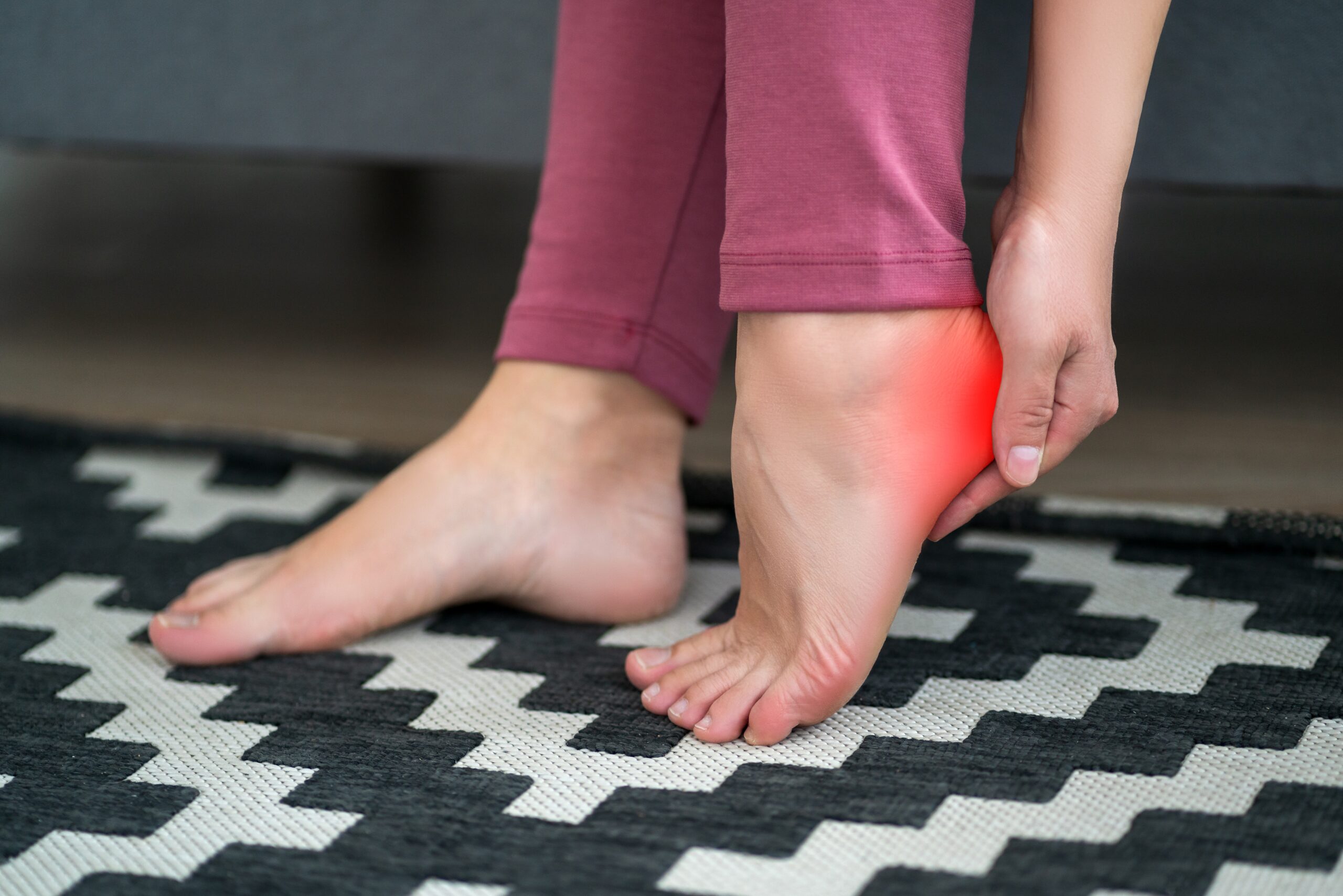
If you have heel pain and visible bony growth, it may be heel spurs, a common foot problem that occurs due to structural abnormalities and health conditions like arthritis. At first, it only causes minor pain that you might ignore but leaving it untreated leads to complications. That’s why treatment on time is necessary. Learn about the potential side effects of untreated heel spurs and treatment options for heel spurs in this article. Get a consultation with the best Podiatrists in Brooklyn.
Potential side effects of untreated heel spurs
Treating heel spurs is crucial because untreated heel spurs can lead to these severe side effects:
- Increased pain:
Heel spur-related pain is typically minor at first, but it worsens with time. You may feel severe pain when you walk or jog because it puts additional stress on your foot, resulting in progressive irritation and inflammation. Without treatment, you won’t be able to walk or move properly.
- Limited mobility:
People with heel spurs mostly experience sharp, shooting heel pain while standing and walking. These symptoms are usually worse in the morning when you get up from bed and can occur at any time throughout the day. As a heel spur grows, its symptoms make it difficult for you to exercise or perform simple tasks. This is problematic for a person who mostly spends their day on their feet. The sooner you receive treatment, the better.
- Abnormal gait:
Heel spurs can significantly affect your walking pattern (gait). An abnormal gait can increase the risk of accidents, like falls, limit mobility, and worsen heel spur symptoms, like pain. If you have noticed any of these changes in your walking pattern for a while, it can even disrupt your body’s natural balance and stability as time passes. That’s why treatment is crucial to lower the risk of gait problems.
- Potential for other foot problems:
Heel spurs gradually grow over time, which may not have an impact on your foot health at first, but as they grow in size, they affect surrounding soft tissues, including the plantar fascia and Achilles tendon, which leads to problems in these tendons. Studies found that people with heel spurs are more at risk of developing plantar fasciitis and Achilles tendonitis. So, make sure you address heel spurs early to avoid these potential foot problems.
Heel Spurs Treatment Options
Heel spur treatment depends on the severity and underlying cause of the condition. Usually, treatment is a combination of two or more treatment options, like medication and physical therapy. Here are the available treatment options for heel spurs:
- Cold compression:
Cold therapy can help you relieve pain and discomfort from the inflamed heel tissue. To perform this, put ice in a plastic bag or buy ice packs, cover it with a cloth, and then apply it to the affected heel. You can keep ice packs in the freezer and use them several times a day for 10 to 15 minutes. Besides that, you can also roll your foot over a cold or frozen water bottle to relieve your pain.
- Rest:
Taking proper rest or reducing your movement and activities that involve the affected heel can provide relief from heel pain.
- Footwear and orthotics:
Wearing comfortable and supportive shoes can lower the pressure on the heel spur, which mostly triggers pain and discomfort. That’s why you need to wear properly fitting shoes to manage heel spurs. Here are things you should look out for:
- Firm heel support: Make sure the shoes offer cushioning and good arch support to the heel and prevent it from rolling inward or outward.
- Moderate flexibility: A shoe should not be flexible (which makes it collapsible). But a shoe must offer a gradual bend to have some resistance when the foot is flexed or bent.
- Slightly elevated heel: A heel insert or shoe that offers a slightly elevated heel helps to take pressure off the painful heel.
You can get custom orthotics by consulting a podiatrist and inserting them into your shoes to prevent your foot from rolling and provide extra heel support.
- Over the counter (OTC) Medications:
OTC anti-inflammatory medications are prescribed to relieve heel pain and discomfort. The most common are aspirin, ibuprofen, and naproxen sodium/naproxen. These medications also prevent further damage by reducing tissue inflammation. However, you should avoid these medications if you have kidney problems or a history of stomach bleeding and ulcers. As an alternative, you can use other OTC medicines like acetaminophen to relieve pain; but it doesn’t offer the same anti-inflammatory properties as the other medications.
- Stretches:
Regular stretching exercises, especially before physical activity, can improve the flexibility of the calf muscles along with the plantar fascia, which helps reduce strain and pressure on the heel spur. The most common heel spur exercises are calf stretches and toe curls.
- Physical therapy:
Some specific exercises are designed by the physical therapist to strengthen the foot and ankle muscles, improve flexibility, lower the strain on the heel, and prevent the recurrence of heel spurs. Incorporating these exercises into your treatment aids in rehabilitation and ensures lasting relief.
- Cryoultrasound:
This therapy combines the application of electromagnetic energy with cold therapy to relieve pain, reduce inflammation, and enhance recovery. Research has shown that cryoultrasound therapy is an efficient treatment option for people with plantar fasciitis who have heel spurs. Your podiatrist or physical therapist can recommend this therapy.
- Shockwave therapy:
This therapy uses extracorporeal shockwave therapy (ESWT), which uses shockwaves on the affected area to stimulate the body’s natural healing process and tissue regeneration. It has become very popular for its effectiveness in lowering pain and promoting the natural healing process by increasing blood flow and lowering inflammation. It addresses the root cause of heel spurs and offers long-lasting relief.
- Corticosteroid injections:
In severe cases, before surgical intervention, your doctor may recommend corticosteroid injections to lower inflammation and pain. However, it won’t cure the heel spur. Although it is helpful, it has a limit on how often or how many you can receive because it increases the risk of tendon rupture.
- Surgery:
Surgery is only considered when other conservative treatments fail to provide relief. Different surgical approaches are available to improve your heel spur. The most common one is to remove the plantar fascia ligament from the heel bone or to remove the heel spur with special tools. However, nerve damage is a significant risk factor linked with the procedure. And it provides no guarantee that the heel spur won’t come back after surgery. After the procedure, you need to rest for several weeks before you can start to walk again normally with less to no heel pain.
Heel spur treatment involves medications, physical therapy, stretches, cold therapy, corticosteroid injections, shockwave therapy, surgery, etc., to manage your pain and discomfort. Make sure you don’t ignore the heel spurs’ pain and discomfort; otherwise, you will experience the above-mentioned heel spur complications that make it difficult to treat.
Need help with heel spurs? Visit our podiatry clinic in Brooklyn to get professional medical help. Call us to book your appointment now!!!!!!! At Doral Health & Wellness, we have Podiatrists with extensive education and expertise. Trauma to the tendons, muscles, and bones of the foot is quite common. If you’re ready to take the next step in managing your pain, we recommend consulting with our healthcare provider to explore the right treatments or therapies for you. Always listen to your body and adjust your daily routine to prioritize your well-being. It’s not a good idea to put off seeing Foot Doctor Brooklyn until you are in a lot of pain. Our address is 1797 Pitkin Avenue, New York, NY 11212. To make an appointment, please call + 1 718 367 2555 or send an email toinfo@doralhw.org.