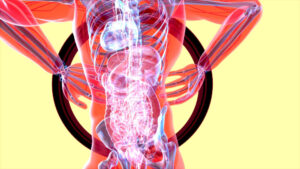
On an average day, you encounter many bacteria, viruses, and fungi that can make you sick. Pathogens cause infections/infectious diseases/communicable diseases (bacteria, viruses, fungi, and parasites) that can cause diseases. These pathogens are not visible to the naked eye. While most infections get better with rest and treatment, some can lead to serious complications. That’s why you should know how to protect yourself and your loved ones from common infectious diseases. Read this article to learn ways to protect yourself and your loved ones from these common infections. Log on to www.doralhw.org for a consultation.
Common infectious diseases and ways to prevent them
Here are the most common infections that you should be careful about.
- FLU/INFLUENZA
In the US, 3 to 11% of people have the flu every year (mostly in the fall, winter, and early spring).
It’s a viral infection that attacks your respiratory system – your nose, throat, and lungs.
It can spread through sneezing and coughing, and touching surfaces infected with the virus (doorknobs, tables, pens, etc.)
Symptoms include:
- Fever, chills, and sweats
- Headache and aching muscles
- Dry, persistent cough with a runny/stuffy nose
- Shortness of breath
- Tiredness and weakness
- Sore throat
- Vomiting and diarrhea (more common in children than in adults).
- Children and old people have weaker immune systems, so their chances of getting infected are greater. Most of the time, it goes away on its own. But sometimes, it can be deadly (especially for younger kids under 5), so if it persists longer than 2 weeks, you should consult your doctor.
Prevention:
- Get the yearly flu vaccine shots.
- Avoid close contact with the sick.
- Always cover your nose and mouth when sneezing and coughing.
- Always wash your hands with soap and water. Use sanitizer if you do not have soap or water.
- Clean and disinfect all surfaces regularly.
- STAPH
This infectious disease is caused by the Staphylococcus bacteria, leading to painful rashes, blisters, and fever.
Symptoms may include red bumps on your skin, Rashes, Blisters, Ulcers, and pus discharge.
Prevention
- Wash your hands regularly.
- Keep your wounds and cuts covered.
- Avoid sharing personal items like towels, handkerchiefs, etc., and keep them clean.
- E. COLI
- coli (Escherichia coli) is a group of bacteria that are found in your intestines, which help to digest food.
Most of its strains are good for your health. Some of them can cause infections when you eat something that is contaminated with bacteria (usually ground beef, uncooked food, raw seafood, unpasteurized milk, etc.).
Symptoms:
- Stomach cramps
- Diarrhea
- Nausea & Vomiting
- Generally, E. coli symptoms can be treated at home and resolved within a week or so.
Prevention:
- Drink a lot of water
- Get enough rest
- Avoid eating raw, unhygienic food
- Wash your hands, counters, chopping boards, and utensils before and after you make food.
- Avoid drinking unpasteurized milk, dairy products, and juices.
- Don’t swallow water while swimming in lakes, ponds, oceans, etc.
- HERPES
This is most common in the US, with more than 50% of people in the US having some form of Herpes virus.
There are two types of Herpes viruses – Herpes Simplex Virus-1 and Herpes Simplex Virus-2. HSV-1 is transmitted by oral contact and causes sores, but it can sometimes lead to genital herpes. HSV-2 is a sexually transmitted infection that causes genital herpes.
Symptoms: Mostly, herpes infection doesn’t show any symptoms at all. However, some basic symptoms include:
- Fever
- Swollen lymph nodes
- Body aches
- Unusual fatigue
- Scabs/Ulcers
- There is no cure for herpes. There are antiviral medications that you can take to prevent outbreaks.
Prevention
- Always use protection while having sex.
- Avoid touching the sores.
- Wash your hands with water and soap.
- CHLAMYDIA
It is a sexually transmitted disease that is caused by the bacteria Chlamydia trachomatis.
Symptoms:
- Pain while peeing
- Vaginal discharge (in women)
- Discharge from the penis
- Pain during sex
- It can be transmitted from a pregnant woman to the baby at the time of delivery, causing infection to the eyes or pneumonia.
Treatment: It can be easily treated with antibiotics.
Prevention
- Practice safe sex.
- Hepatitis C
Hepatitis C is a viral infection that can cause liver inflammation and damage. It is a blood-borne virus.
It spreads by sharing injections, contact with blood or infected needles at work (examples-tattoos or body piercings), being born to a mother with hepatitis C, having had more than one sexual partner in the last 6 months, or having a history of sexually transmitted disease
Symptoms may include
- dark yellow urine
- yellowish eyes and skin (jaundice)
- Fever and tiredness
- joint pain
- loss of appetite
- Nausea and Vomiting
There is no vaccine available for the prevention of Hepatitis C.
The best way to prevent HCV infection is to avoid contact with contaminated blood and avoid high-risk behaviors, including intravenous drug use and unprotected sex.
If you’re worried about getting infected with any of the above-mentioned infections, don’t worry. We got you. Visit our Infection Control Department to get professional medical help and guidance for your loved ones for vaccination to prevent the majority of infections. Book your appointment now!!!!!!!! Learn more about infectious diseases at www.doralhw.org. and stay up to date on current health topics and new research, on recent infectious diseases like COVID-19. Call us on + 1-718-367-2555 to get a consultation. If you need help learning coping methods, register your information and make direct contact with our doctors at https://yuz88hfiyh7.typeform.com/Doralintake. Or visit us at 1797 Pitkin Avenue, Brooklyn, NY 11212.