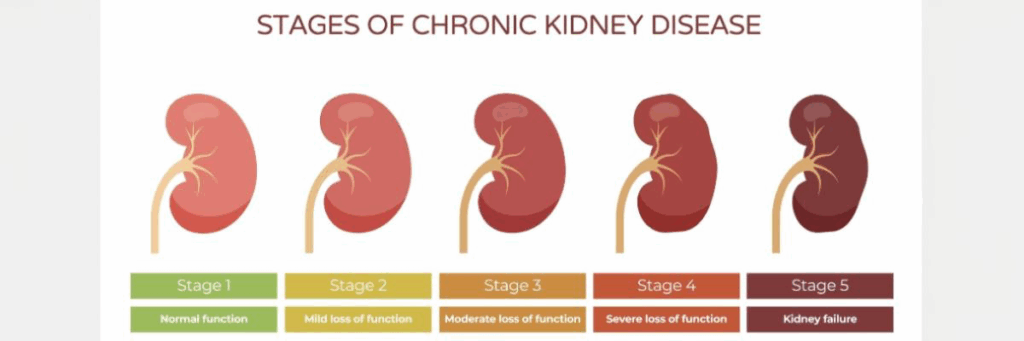
Receiving a diagnosis of chronic kidney disease can feel overwhelming, but understanding the condition is the first step toward managing it effectively. Chronic kidney disease (CKD) is a progressive condition, meaning it gets worse over time. Healthcare providers classify the disease using a system of chronic kidney disease stages to determine the level of kidney damage and guide treatment. These CKD stages are primarily defined by the estimated glomerular filtration rate (eGFR), a measure of how well your kidneys are cleaning your blood. This guide will explain the eGFR stages, associated symptoms, and treatment approaches for each.
At Doral Health & Wellness, we are committed to providing comprehensive and compassionate medical care. Our team of specialists is dedicated to guiding you through your health journey with clarity and support. We believe that informed patients are empowered to achieve better health outcomes.
How Kidney Disease Stages Are Determined
The chronic kidney disease stages are determined by a blood test that measures your estimated glomerular filtration rate (eGFR). Your eGFR number indicates how much blood your kidneys filter per minute. A lower eGFR number suggests that your kidneys are not functioning as well as they should. In addition to eGFR, doctors also check for the presence of albumin (a type of protein) in your urine, as this can be another sign of kidney damage.
Understanding Your eGFR Results
Your eGFR score is the primary indicator used to classify the CKD stages. It is a calculation based on your blood creatinine level, age, sex, and other factors.
- eGFR of 90 or higher — Considered normal kidney function.
- eGFR of 60-89 — Mildly decreased kidney function.
- eGFR of 30-59 — Moderately decreased kidney function.
- eGFR of 15-29 — Severely decreased kidney function.
- eGFR below 15 — Kidney failure.
The 5 Chronic Kidney Disease Stages
Understanding where you fall within the eGFR stages helps you and your doctor make informed decisions about your care. Each stage requires a different approach to management and treatment.
Stage 1 CKD (eGFR 90 or higher)
In Stage 1, there is mild kidney damage, but the kidneys are still functioning at a normal or near-normal level. Often, there are no symptoms at this stage, and the condition is usually discovered incidentally through tests for other health issues like high blood pressure or diabetes.
- Symptoms — Typically none.
- Treatment — Focuses on managing underlying conditions like diabetes and hypertension, adopting a healthy lifestyle, avoiding medications harmful to kidneys, and regular monitoring.
Stage 2 CKD (eGFR 60-89)
Stage 2 indicates mild kidney damage with a slight decrease in function. Like Stage 1, symptoms are often absent, and the primary goal is to slow the progression of the disease.
- Symptoms — Usually none, but some may experience high blood pressure or protein in the urine.
- Treatment — Continued management of root causes, adherence to a kidney-friendly diet, and regular check-ups with your healthcare provider.
Stage 3 CKD (eGFR 30-59)
Stage 3 is divided into two sub-stages: Stage 3a (eGFR 45-59) and Stage 3b (eGFR 30-44). At this point, kidney function is moderately reduced, and complications can start to appear. Symptoms often become more noticeable as waste products build up in the blood.
- Symptoms —Fatigue, swelling in hands and feet, changes in urination, and back pain.
- Treatment — Working closely with a nephrologist becomes crucial. Treatment may include medications to manage blood pressure, anemia, and bone health, as well as significant dietary changes. For those in New York, finding a trusted kidney doctor NY can provide specialized guidance.
Stage 4 CKD (eGFR 15-29)
This stage represents severe kidney damage and a significant loss of function. Symptoms are more pronounced, and the focus of care shifts to preparing for the possibility of kidney failure. This is a critical time to discuss future treatment options with your medical team.
- Symptoms — Nausea, loss of appetite, severe fatigue, swelling, and difficulty concentrating.
- Treatment — Intensive management of complications is required. Your doctor will begin discussions about dialysis or kidney transplantation. Partnering with the best kidney doctor for your situation is essential for navigating these complex decisions.
Stage 5 CKD (eGFR less than 15)
Stage 5 is also known as end-stage renal disease (ESRD). At this point, the kidneys have lost nearly all their ability to function, and waste products and fluids build up to dangerous levels. Without treatment, this stage is fatal.
- Symptoms — Itching, muscle cramps, vomiting, breathing difficulties, and trouble sleeping.
- Treatment — Requires dialysis or a kidney transplant to sustain life. If you are searching for the best nephrologist near me, you will find experts who specialize in ESRD care. Consulting a kidney doctor NY can help you access top-tier transplant centers and dialysis facilities. Finding the best kidney doctor is paramount.
Finding the Right Care for CKD
Managing chronic kidney disease requires a proactive approach and a strong partnership with your healthcare team. From your primary care physician to a specialist, consistent communication is key. If you live in the New York area, a search for the best nephrologist near me will connect you with qualified experts who can manage your care through all CKD stages.
In summary, understanding the chronic kidney disease stages is vital for managing your health and slowing the disease’s progression. From monitoring eGFR stages to managing symptoms, proactive care is your best defense. Each stage presents different challenges, but with the right medical support and lifestyle adjustments, it is possible to live well with CKD.
If you have been diagnosed with kidney disease or are concerned about your kidney health, do not hesitate to seek expert medical advice. The dedicated team at Doral Health & Wellness is here to provide the guidance and comprehensive care you need. To schedule a consultation and create a personalized health plan, please contact Doral Health & Wellness today at 1-718-365-2555 or visit us at 1797 Pitkin Avenue, Brooklyn, New York 11212. For general information about Doral Health & Wellnessservices, you can contact or email info@doralhw.org.