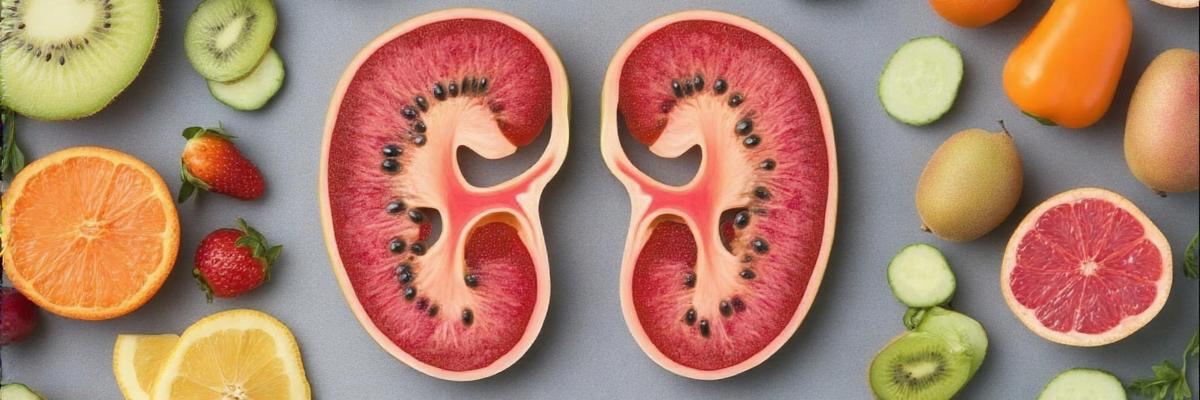
When managing chronic kidney disease (CKD), your dietary choices play a fundamental role in your overall health. Adopting a low sodium diet for kidneys is one of the most effective strategies to protect kidney function and manage symptoms. This approach, often central to a kidney friendly diet, helps control blood pressure and reduce fluid retention. Understanding which foods to embrace and which to avoid is the first step toward successfully finding low salt foods CKD patients can enjoy. This guide offers clear, comprehensive information to help you navigate your dietary needs with confidence.
At Doral Health & Wellness, we are committed to providing integrated health services in an innovative medical facility. Our team is dedicated to the well-being of our patients, offering expert medical advice and trusted treatments to guide you on your health journey.
Why a Low Sodium Diet for Kidneys Is Essential
Sodium, a mineral found in salt, plays a vital role in balancing fluids in your body. However, when your kidneys are not functioning properly, they cannot effectively remove excess sodium and fluid from your bloodstream. This buildup can lead to several complications.
- High Blood Pressure (Hypertension) — Excess sodium causes the body to retain water, increasing the volume of blood in your blood vessels and raising blood pressure. Hypertension is both a cause and a complication of kidney disease, and controlling it is paramount.
- Fluid Retention (Edema) — The accumulation of fluid can cause swelling in your legs, ankles, hands, and face, leading to discomfort and shortness of breath.
- Increased Kidney Strain — Making your kidneys work harder to remove sodium and fluid can accelerate the progression of kidney damage over time.
For most people with CKD, healthcare providers recommend limiting sodium intake to less than 2,300 milligrams (mg) per day, which is about one teaspoon of table salt. Your doctor or dietitian may recommend an even lower amount depending on your specific condition.
Building Your Kidney Friendly Diet: Foods to Choose
Adopting a kidney friendly diet does not mean your meals have to be bland. The key is to focus on whole, unprocessed foods and to prepare them with alternative seasonings.
Fresh and Wholesome Choices
- Fresh Fruits and Vegetables —Apples, berries, carrots, and green beans are naturally low in sodium. Be mindful that some produce is high in potassium, which may also need to be limited.
- Lean Proteins — Fresh cuts of chicken, fish, beef, and eggs are excellent choices. Avoid processed or cured meats.
- Whole Grains — Oats, quinoa, and unsalted popcorn are good sources of fiber and are naturally low in sodium.
- Unsalted Fats — Olive oil, avocado, and unsalted nuts and seeds can be part of a healthy diet in moderation.
Flavoring Without Salt
Learning to cook with herbs and spices is the secret to a delicious, low-sodium diet. Experiment with these flavors to enhance your meals.
- Garlic and onion powder (not garlic salt or onion salt)
- Black pepper, paprika, and chili powder
- Fresh or dried herbs like basil, oregano, rosemary, and cilantro
- Citrus juices like lemon and lime
Low Salt Foods CKD: Foods to Limit or Avoid
The biggest challenge in following a low-sodium diet is identifying and avoiding hidden sources of salt. Processed and pre-packaged foods are the main culprits.
High-Sodium Foods to Watch Out For
- Processed Meats — Bacon, sausage, hot dogs, deli meats, and canned meats are cured with large amounts of sodium.
- Canned Goods — Soups, vegetables, and beans are often packed in salt. Look for “no salt added” versions or rinse canned vegetables thoroughly.
- Frozen Dinners and Packaged Meals — Convenience meals, including frozen pizzas and entrees, are typically very high in sodium.
- Salty Snacks — Chips, pretzels, salted nuts, and crackers should be avoided. Opt for unsalted versions instead.
- Condiments and Sauces — Soy sauce, ketchup, salad dressings, and steak sauces can add hundreds of milligrams of sodium to a meal. Choose low-sodium alternatives.
- Pickled Foods — Pickles, olives, and sauerkraut are preserved in a salt-heavy brine.
Reading nutrition labels is a critical skill for anyone on a low-sodium diet. Pay close attention to the serving size and the milligrams of sodium per serving to stay within your daily limit.
Finding the Right Medical Guidance
Navigating dietary changes for kidney disease can be complex, as you may also need to monitor your intake of potassium and phosphorus. Partnering with a healthcare professional is essential for creating a safe and effective eating plan.
A nephrologist, or kidney specialist, can oversee your medical care, while a registered dietitian can provide personalized dietary advice. If you live in New York, searching for the “best kidney doctor” or “best nephrologist near me” will connect you with experts in kidney care. A knowledgeable kidney doctor NY will provide comprehensive management of your condition. Working with the best kidney doctor ensures your treatment plan, including your diet, is tailored to your specific health needs. Do not hesitate to search for a kidney doctor NY or the “best nephrologist near me” to get the support you require.
In summary, adopting a low sodium diet for kidneys is a critical step in managing CKD, controlling blood pressure, and preventing fluid overload. By focusing on a kidney friendly diet rich in fresh foods and learning to identify hidden salt in processed items, you can protect your health while still enjoying flavorful meals. Consistent management of low salt foods for CKD empowers you to take control of your well-being.
If you have been diagnosed with kidney disease or need guidance on creating a diet plan, we encourage you to seek professional medical advice. The expert team at Doral Health & Wellness is here to offer the supportive, comprehensive care you deserve. To schedule a consultation and discuss your health goals, please contact Doral Health & Wellness today at 1-718-365-2555 or visit us at 1797 Pitkin Avenue, Brooklyn, New York 11212. For general information about Doral Health & Wellness services, you can contact or email info@doralhw.org.