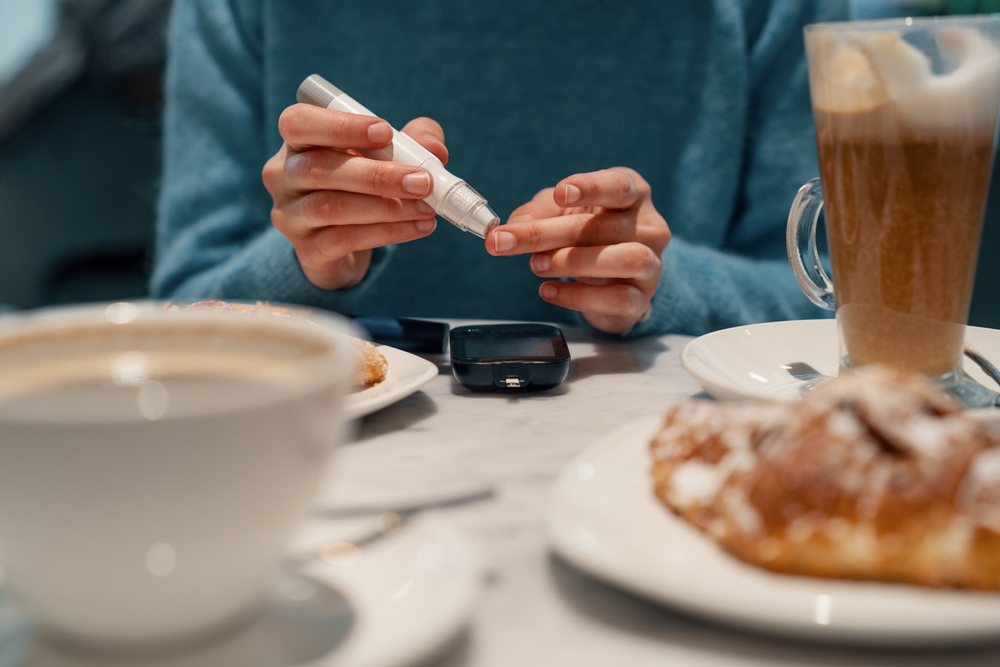
Living with diabetes requires awareness and careful management. While daily routines can help control blood sugar, it is also essential to be prepared for potential diabetes emergencies. These situations, caused by sudden and severe fluctuations in blood glucose levels, can be frightening for both the individual and their loved ones. Our commitment is to provide you with clear, compassionate, and professional information to help you recognize the warning signs and know what to do. Being prepared can make all the difference in handling these urgent moments safely and effectively. At Doral Health & Wellness, we have all the answers you need.
Understanding Common Diabetes Emergencies
Diabetes is a chronic condition where the body either does not produce enough insulin or cannot effectively use the insulin it produces, leading to high blood sugar. According to the CDC, over 38 million people in the United States have diabetes. This condition can lead to several complications, but certain situations require immediate medical attention. Recognizing these emergencies is the first step toward a safe and rapid response.
Hypoglycemia (Severe Low Blood Sugar)
We know that hypoglycemia is a common concern. It occurs when blood sugar levels drop dangerously low, typically below 70 mg/dL. This can happen if you take too much insulin, skip a meal, or exercise more intensely than usual.
Recognizing the Symptoms
Symptoms of hypoglycemia can appear quickly. You and your family need to know these signs:
- Sudden weakness, dizziness, or confusion
- Rapid heartbeat or a feeling of anxiety
- Pale, sweaty skin and trembling
- Headache and blurred vision
- Intense hunger
- In severe cases, seizures or loss of consciousness
How to Respond
If the person is conscious and can swallow, provide them with a fast-acting source of sugar. The “15-15 rule” is a helpful guide:
- Consume 15 grams of carbohydrates, such as four glucose tablets, a half-cup of fruit juice, or regular (non-diet) soda.
- Wait 15 minutes and check blood sugar levels again.
- If levels are still low, repeat the process.
If someone loses consciousness, do not try to give them food or drink, as it can cause choking. Call 911 immediately. If available, a glucagon injection should be administered. Glucagon is a hormone that raises blood sugar, and it is not the same as insulin.
Diabetic Ketoacidosis (DKA)
Diabetic ketoacidosis is a serious complication that occurs when the body produces high levels of blood acids called ketones. This happens when your body doesn’t have enough insulin to allow blood sugar into your cells for use as energy. DKA is more common in people with type 1 diabetes but can affect those with type 2 as well.
Recognizing the Symptoms
The onset of DKA can be gradual. Early signs include:
- Extreme thirst and a very dry mouth
- Frequent urination
As the condition worsens, more severe symptoms appear:
- Nausea, vomiting, or stomach pain
- Deep, rapid breathing
- Flushed skin and drowsiness
- A fruity-smelling breath (often compared to nail polish remover)
- Confusion and eventual loss of consciousness
How to Respond
DKA is a life-threatening emergency that requires immediate hospital care. If you suspect DKA, check for ketones using an at-home urine test kit. If ketones are high, call 911 or go to the nearest emergency room without delay.
Hyperosmolar Hyperglycemic Syndrome (HHS)
HHS is another serious condition that involves extremely high blood sugar levels (often over 600 mg/dL) without the significant presence of ketones. It most often affects older adults with type 2 diabetes and can be triggered by an illness or infection.
Recognizing the Symptoms
HHS develops over days or even weeks. Key signs include:
- Profound dehydration with a very dry mouth
- Extreme thirst and frequent urination
- Warm, dry skin without sweat
- A high fever (over 101°F)
- Confusion, hallucinations, or drowsiness
- Vision loss or weakness on one side of the body
How to Respond
HHS is a medical emergency that can lead to seizures, a coma, or death. If you or someone you know shows symptoms of HHS, call 911 or proceed to the emergency room immediately.
Your Partner in Diabetes Management
We understand that living with diabetes presents unique challenges, but you do not have to face them alone. Even with careful management, emergencies can happen. Ensuring that you, your family, and your close friends are educated about the signs of diabetes emergencies and know how to respond is a crucial part of your safety plan. Proper, ongoing management under professional guidance is the best way to prevent these situations.
If you need help with diabetes management, visit us to get professional medical help. Our diabetologists create personalized treatment plans to ensure that you lead a fulfilling life. Book your appointment now, call us on + 1 718 367 2555 to get your condition treated!!! Learn more about Diabetes at www.doralhw.org. and stay up to date on current health topics and new research. If you need help, register your information and make direct contact with our doctors at https://yuz88hfiyh7.typeform.com/Doralintake. Or visit us at 1797 Pitkin Avenue, Brooklyn, NY 11212.