Living with chronic pain can be a challenging journey, affecting every aspect of daily life. For those seeking alternatives to medication, innovative treatments are offering new hope. One such approach is bioelectric therapy for pain management. This non-invasive method uses electrical currents to interact with the body’s natural signals, potentially reducing pain and promoting healing. As more people explore their options, understanding the bioelectric therapy pros & cons is essential to making an informed decision about your health and well-being. This article will explore how this technology works, its benefits, potential drawbacks, and what to expect from treatment. Visit the best Pain Management Clinic in Brooklyn at Doral Health & Wellness or log on to www.doralhw.org to schedule an appointment with us.
What is bioelectric therapy?
Bioelectric therapy, also known as electrotherapy, is a treatment that uses small electrical impulses to repair tissue, stimulate muscles, and block pain signals. Our bodies naturally have electrical and chemical signals that control everything from muscle movement to brain function. Bioelectric therapy devices work by mimicking or influencing these natural signals to achieve a therapeutic effect.
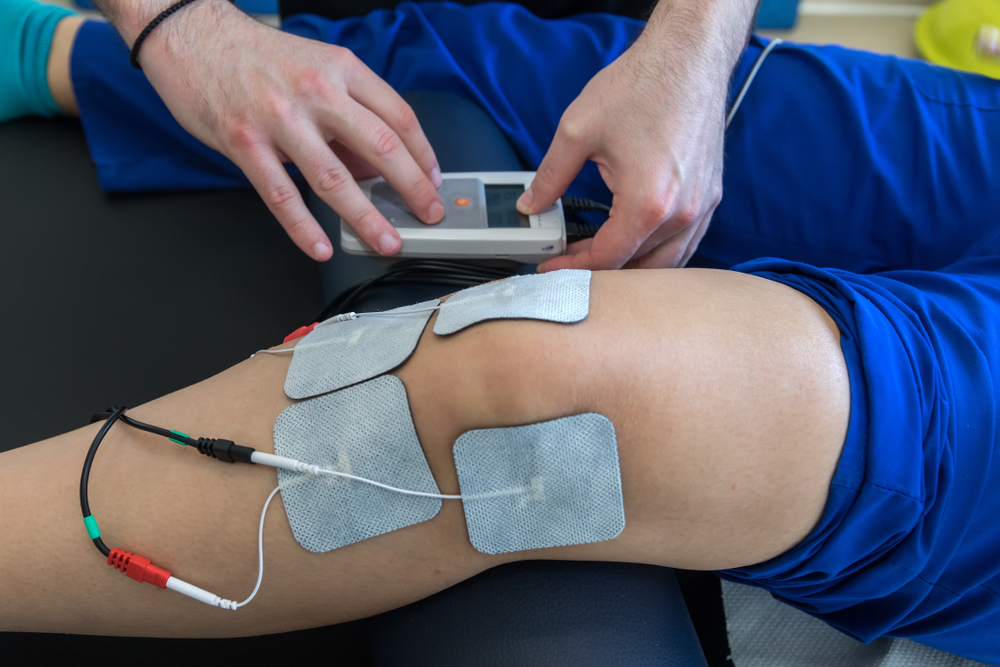
A common example of this is a Transcutaneous Electrical Nerve Stimulation (TENS) unit. These portable devices deliver low-voltage electrical currents through electrodes placed on the skin near the source of pain. The electrical impulses can help reduce pain in two ways: by stimulating nerves to block pain signals from reaching the brain, and by encouraging the body to produce more of its own natural painkillers, called endorphins.
How Does It Work for Pain Relief?
The core principle behind bioelectric therapy is the Gate Control Theory of Pain. This theory suggests that the spinal cord has a “gate” that can either block pain signals or allow them to pass through to the brain.
- Closing the Gate: The gentle electrical currents from a bioelectric device can stimulate non-painful nerve fibers, which effectively “close the gate.” This prevents the pain signals from reaching the brain, providing temporary relief.
- Endorphin Release: Electrical stimulation can also trigger the release of endorphins. These chemicals act as the body’s natural opiates, reducing the perception of pain and improving mood.
A qualified pain management specialist can determine the most effective type of bioelectric therapy for your specific condition.
The Pros and Cons of Bioelectric Therapy
Like any medical treatment, it’s important to weigh the bioelectric therapy pros & cons before starting. Consulting with a professional can help you decide if this is the right path for your pain management journey.
Advantages of Bioelectric Therapy
- Non-Invasive: One of the biggest benefits is that it is a non-invasive treatment. There are no needles, incisions, or surgical procedures involved.
- Drug-Free Pain Relief: For individuals concerned about the side effects or dependency associated with pain medications, bioelectric therapy offers a powerful alternative. It can reduce or even eliminate the need for oral pain relievers.
- Few Side Effects: When used correctly under professional guidance, bioelectric therapy has minimal side effects. The most common issue is minor skin irritation from the electrodes.
- Targets Specific Areas: The treatment can be precisely targeted to the source of the pain, whether it’s in the back, neck, joints, or another area.
- Convenience: Many bioelectric devices, like TENS units, are portable and can be used at home, offering pain relief whenever it is needed.
Potential Disadvantages
- Not a Permanent Cure: For most chronic conditions, bioelectric therapy provides temporary relief rather than a permanent cure. Consistent use is often necessary to manage symptoms.
- Not Suitable for Everyone: Individuals with certain medical conditions, such as those with pacemakers, epilepsy, or heart problems, may not be suitable candidates. It is also generally not recommended for use during pregnancy.
- Variable Effectiveness: The level of pain relief can vary significantly from person to person. What works wonders for one individual may be less effective for another.
- Requires Proper Training: To be safe and effective, users must be taught how to use the device correctly, including proper electrode placement and intensity settings. This is why seeking guidance from a pain management clinic in Brooklyn or your local area is crucial.
Finding the Right Bioelectric Therapy for You
Several types of bioelectric therapy are available; each is designed for different purposes. A pain management specialist can help you navigate these options.
- TENS (Transcutaneous Electrical Nerve Stimulation): The most common form, used primarily for nerve-related pain.
- EMS (Electrical Muscle Stimulation): Uses slightly stronger currents to cause muscle contractions, often used for muscle spasms and rehabilitation.
- PENS (Percutaneous Electrical Nerve Stimulation): A hybrid approach where needles are inserted near the nerves (similar to acupuncture) to deliver the electrical current more directly.
- SCS (Spinal Cord Stimulation): A more invasive option where a small device is surgically implanted near the spinal cord to block pain signals.
Is Bioelectric Therapy Your Path to Relief?
Bioelectric therapy for pain management presents a promising option for many people living with chronic pain. Its non-invasive, drug-free nature makes it an attractive alternative to traditional treatments. By understanding the pros and cons, you can have a more productive conversation with your healthcare provider.
If you are struggling with persistent pain and looking for new solutions, consider discussing this treatment with a medical professional. For those in the New York area, a reputable pain management clinic in Brooklyn can offer expert evaluation and guidance to determine if bioelectric therapy is the right choice to help you regain control and improve your quality of life. Visit the Doral Health & Wellness Pain Relief Department in Brooklyn, to get professional help and guidance on how to manage your problem. Call us on + 1-718-367-2555 to get a consultation. If you need help learning coping methods, register your information and make direct contact with our doctors at https://yuz88hfiyh7.typeform.com/Doralintake. Log on to www.doralhw.org. Or visit us at 1797 Pitkin Avenue, Brooklyn, NY 11212.