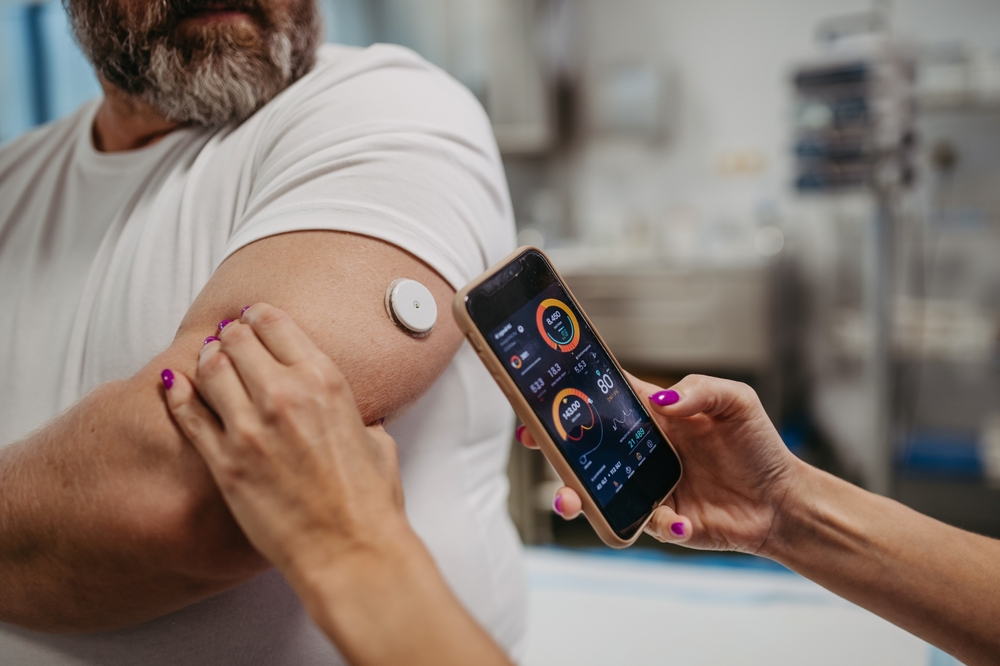
Deciding to start on an Automated Insulin Delivery (AID) system is a significant step toward transforming your diabetes management. This technology promises more stability, less guesswork, and a reduced daily burden. This comprehensive guide on automated insulin delivery (AID) systems is designed to walk you through the process of getting started. From the initial conversations with your doctor to the first few weeks on the system, understanding the steps involved in automated insulin delivery can make the transition smoother and more successful. This article will outline the key stages, what to expect, and how to prepare for this exciting change. At Doral Health & Wellness, we have all the answers you need.
A Comprehensive Guide on Automated Insulin Delivery (AID) Systems: First Steps
Embarking on your AID journey involves several crucial steps. It’s a process that requires education, preparation, and a strong partnership with your healthcare team.
Step 1: Is an AID System Right for You?
Before diving in, the first step is a thorough evaluation of whether this technology fits your needs and lifestyle. AID systems are not a magic bullet; they are a tool that requires user engagement.
Consider the following:
- Your Goals: Are you looking to increase your Time in Range (TIR), reduce the frequency of low blood sugars, or lessen the mental burden of diabetes management? Clearly defining your goals will help you and your doctor decide if an AID system is the right tool.
- Tech Comfort Level: An AID system involves wearing a sensor and a pump and interacting with an algorithm via a device. A certain level of comfort with technology is necessary.
- Expectation Management: These systems are “hybrid closed loop,” not fully automatic. You will still need to count carbohydrates, announce meals to the system, and respond to alarms.
A conversation with a qualified diabetologist is the best way to explore if you are a good candidate for this therapy.
Step 2: Choosing the Right System
Several different AID systems are available on the market, each with its own algorithm, features, and user interface. The main components are a Continuous Glucose Monitor (CGM) and an insulin pump that work together. Your healthcare provider will help you choose a system based on factors like:
- Your Age and Lifestyle: Some systems are better suited for very active individuals or children.
- Insurance Coverage: This is a major factor. The team at your diabetes clinic in Brooklyn can often help you navigate the complex world of insurance approvals and paperwork.
- Personal Preference: Do you prefer a system with a tubed pump or a tubeless pod? Do you want to control it from your phone or a dedicated device? These are all important personal choices.
Step 3: The Prescription and Training Process
Once you and your doctor have selected a system, the prescription process begins. This can take time, as it often requires prior authorization from your insurance company.
After your system is approved and arrives, you will have a dedicated training session. This is usually conducted by a certified pump trainer or a diabetes educator. This training is essential and will cover:
- How to insert the CGM sensor and pump infusion set?
- How to navigate the pump and its settings.
- How to count carbs and bolus for meals?
- How to handle alarms and troubleshoot common issues.
Living with Your New Automated Insulin Delivery System
The first few weeks with your new system are a learning period for both you and the algorithm. The system needs time to learn about your body’s insulin needs, and you need time to learn how to interact with the system.
The First Month: Patience is Key
- Trust the Algorithm (Gradually): It can be hard to let go of control after manually managing your diabetes for so long. Try to let the system do its job, especially with overnight corrections.
- Stay in Touch with Your Team: You will likely be in close contact with your diabetologist or diabetes educator during this initial period. They will help you fine-tune your settings based on the data the system collects.
- Don’t Expect Perfection: There will still be high and low blood sugars. The goal is improvement, not perfection. The system is a powerful tool, but it can’t account for every variable, like stress, illness, or highly unpredictable meals.
Take the First Step Toward Automated Control
Getting started with automated insulin delivery is a journey, not a single event. From the initial consideration to the first few months of use, each step is an important part of successfully integrating this technology into your life. This comprehensive guide on automated insulin delivery (AID) systems provides the roadmap, but expert guidance is essential.
If you are ready to explore how an AID system could change your life, the next step is to talk to a professional. A specialist at a top-tier diabetes clinic in Brooklyn can provide the personalized evaluation and support you need to begin your journey with confidence. If you need help with diabetes management, visit us to get professional medical help. Our diabetologists create personalized treatment plans to ensure that you lead a fulfilling life. Book your appointment now, call us on + 1-718-367-2555 to get your condition treated! Learn more about Diabetes at www.doralhw.org. and stay up to date on current health topics and new research. If you need help, register your information and make direct contact with us at https://yuz88hfiyh7.typeform.com/Doralintake. Or visit us at 1797 Pitkin Avenue, Brooklyn, NY 11212.