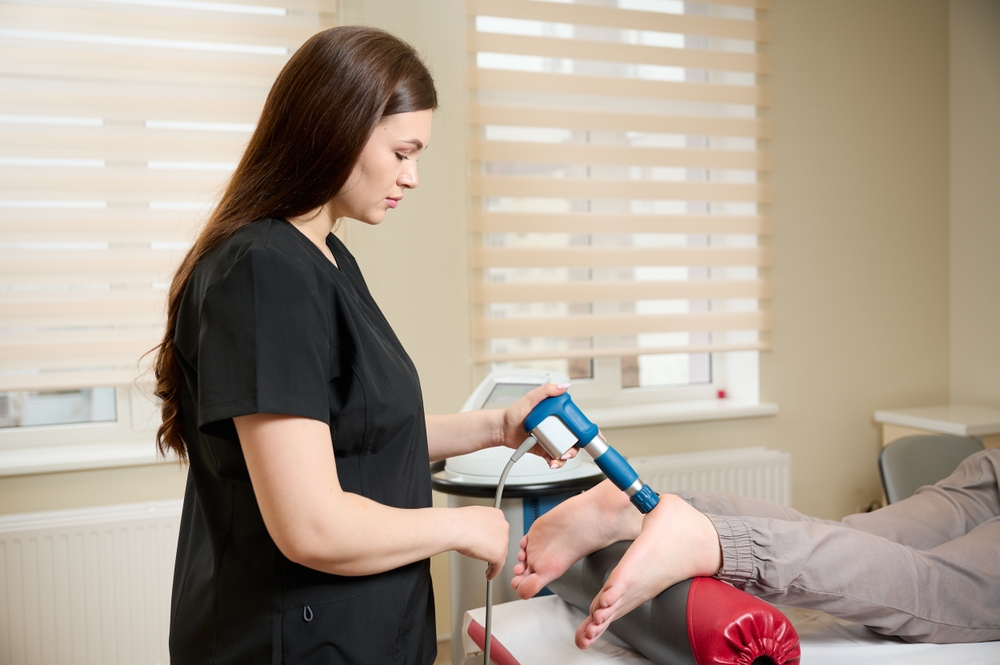
When chronic pain from conditions like plantar fasciitis or Achilles tendinitis doesn’t respond to traditional treatments, it can be incredibly frustrating. Fortunately, medical advancements offer innovative solutions. One such option is Extracorporeal Shockwave Therapy (ESWT). There are several important things you should know about extracorporeal shockwave therapy (ESWT), a non-invasive procedure that uses acoustic waves to promote healing in injured tissues. This treatment, delivered by a specialized shockwave therapy machine, is gaining recognition for its effectiveness. Understanding how it works and the established shockwave therapy guidelines can help you decide if it’s the right choice for your recovery journey. Get a consultation with the best Podiatrists in Brooklyn.
Key Things You Should Know About Extracorporeal Shockwave Therapy (ESWT)
ESWT is a procedure where a device is used to deliver high-energy acoustic waves (shockwaves) to an injured or painful area of the body. The therapy is designed to trigger the body’s natural healing processes, reduce pain, and restore mobility. It is not an electrical shock but rather an intense, short-energy wave that travels faster than the speed of sound.
How Does a Shockwave Therapy Machine Work?
The shockwave therapy machine generates acoustic waves that are transmitted into the body through a handheld applicator. A gel is applied to the skin to ensure the waves are delivered efficiently to the targeted tissue. These waves create microtrauma in the affected area, which stimulates a cascade of healing responses:
- Increased Blood Flow: The shockwaves promote neovascularization, which is the formation of new blood vessels. This improved blood supply brings more oxygen and nutrients to the injured tissue, accelerating healing.
- Pain Reduction: The therapy can overstimulate pain-transmitting nerves, leading to a temporary reduction in pain sensitivity. It also helps disperse pain mediators like substance P.
- Stimulation of Collagen Production: Collagen is a vital protein for repairing damaged musculoskeletal tissues. ESWT stimulates the production of new collagen, strengthening the injured tendon or ligament.
- Dissolution of Calcifications: The acoustic waves can help break down calcium deposits that may have formed in tendons, a common issue in conditions like calcific tendinitis.
Conditions Treated with ESWT
ESWT is versatile and has proven effective for a variety of chronic musculoskeletal conditions, particularly those affecting connective tissues. A podiatrist may recommend it for foot and ankle problems such as:
- Plantar Fasciitis (heel pain)
- Achilles Tendinitis
- Tendonitis in other parts of the body, like the shoulder or elbow (tennis elbow)
What to Expect During and After Treatment
Understanding the treatment process and recovery can help ease any concerns you might have. Following proper shockwave therapy guidelines is crucial for a successful outcome.
The Procedure
An ESWT session is a quick, in-office procedure that typically lasts between 10 to 20 minutes. Your specialist will locate the painful area and apply the applicator from the shockwave therapy machine. You may feel some mild discomfort during the treatment as the shockwaves are delivered, but the intensity can be adjusted for your comfort. Most treatment plans involve 3-5 sessions, scheduled about a week apart.
After the Treatment
One of the main benefits of ESWT is the minimal downtime. You can typically walk and perform normal daily activities immediately after a session. However, it’s recommended to avoid high-impact activities for 48 hours to allow the healing process to begin. Some patients experience temporary soreness or redness in the treated area, which usually subsides within a day or two.
It’s important to have realistic expectations. While some people feel immediate relief, the full benefits of ESWT are often realized weeks after the final session, as the body continues its healing process.
Is ESWT Right for You?
While ESWT is a safe and effective option for many, it’s not suitable for everyone. Patients who are pregnant, have a pacemaker, have certain blood-clotting disorders, or have tumors near the treatment site should not undergo this therapy. The best way to determine if you are a good candidate is to consult with a qualified medical professional.
A specialist, such as a podiatrist, can perform a thorough evaluation of your condition and medical history. If you’re in New York, a consultation at a podiatry clinic in Brooklyn can provide a clear diagnosis and determine if ESWT is an appropriate part of your treatment plan. They will explain all the things you should know about extracorporeal shockwave therapy (ESWT) and how it can help you get back to a pain-free life. Don’t let chronic pain hold you back—explore modern treatment options by speaking with an expert at a podiatry clinic in Brooklyn today. At Doral Health & Wellness, we have Podiatrists with extensive education and expertise. Our address is 1797 Pitkin Avenue, New York, NY 11212. To make an appointment, please call + 1 718 367 2555, or register your information and make direct contact with us at https://yuz88hfiyh7.typeform.com/Doralintake or send an email to info@doralhw.org.