Hepatitis C is a viral infection that causes liver inflammation and can lead to serious liver damage. For decades, it was a feared diagnosis with limited and difficult treatment options. Today, the outlook is completely different. This guide to hepatitis C diagnosis, treatment, and prevention will walk you through the modern approach to this curable disease. With major advancements in hepatitis C diagnosis and revolutionary options for hepatitis C treatment, most people can now be cured with a simple course of oral medication. Understanding these three pillars—diagnosis, treatment, and prevention—is key to protecting your health and stopping the spread of the virus. Log on to www.doralhw.org for a consultation.
Hepatitis C Diagnosis: The Path to Knowing Your Status
A significant challenge with hepatitis C is that the majority of people with a new infection have no symptoms. The virus can live in the body for decades, silently causing liver damage, before any signs appear. This is why screening and diagnosis are so critical.
The Initial Screening Test
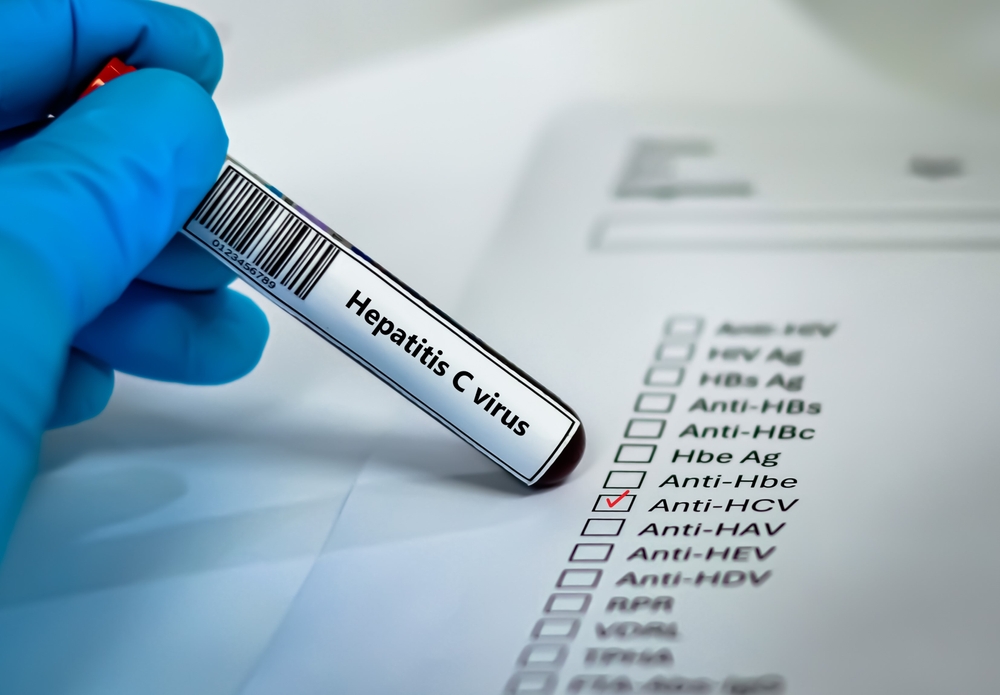
The process of hepatitis C diagnosis begins with a simple blood test called an antibody test (anti-HCV).
- What it looks for: This test doesn’t look for the virus itself, but for antibodies your immune system would create in response to an infection.
- What a positive result means: A positive antibody test means you have been exposed to the hepatitis C virus at some point in your life. It does not necessarily mean you have a current infection, as about 25% of people clear the virus on their own.
The Confirmatory Test
If your antibody test is positive, a second blood test is needed to confirm if you have a current infection.
- What it looks for: This test, called an HCV RNA or viral load test, looks for the actual genetic material of the virus in your blood.
- What a positive result means: A positive RNA test confirms that you have a chronic hepatitis C infection and require treatment.
The Centers for Disease Control and Prevention (CDC) recommends universal screening for all adults at least once in their lifetime and regular testing for those with ongoing risk factors. An infectious disease specialist can help determine how often you should be tested.
Modern Hepatitis C Treatment: A Cure is Within Reach
The greatest revolution in hepatitis C care has been the development of direct-acting antivirals (DAAs). These oral medications have transformed hepatitis C treatment from a difficult, year-long process with significant side effects into a simple, highly effective cure.
How DAAs Work
DAAs are oral pills that attack the hepatitis C virus directly, disrupting its ability to multiply. This allows your body’s immune system to clear the infection completely.
- Treatment Duration: Most treatment regimens consist of taking one to three pills daily for just 8 to 12 weeks.
- Cure Rates: These medications have a cure rate of over 95%. A “cure” is confirmed when a viral load test shows no detectable virus in the blood 12 weeks after finishing treatment.
- Side Effects: The side effects are generally mild and may include headache, fatigue, or nausea. This is a dramatic improvement over the difficult flu-like side effects of older interferon-based therapies.
Treatment decisions are made by a healthcare provider, often an infectious disease specialist or gastroenterologist. A qualified infectious disease doctor in Brooklyn can evaluate your specific case, including the genotype of the virus and the extent of any liver damage, to prescribe the most appropriate DAA regimen for you.
Prevention: Stopping the Spread of Hepatitis C
While a cure exists, prevention remains a crucial part of managing hepatitis C. Unlike hepatitis A and B, there is currently no vaccine to prevent hepatitis C. The virus is spread through contact with infected blood.
Key Prevention Strategies
- Avoid Sharing Needles: The most common mode of transmission in the U.S. is through sharing needles, syringes, or other equipment used to inject drugs.
- Use Caution with Tattoos and Piercings: If you get a tattoo or piercing, ensure it is done at a licensed facility that uses sterile, single-use needles and equipment.
- Do Not Share Personal Items: Avoid sharing personal items that may have come into contact with blood, such as razors, toothbrushes, or nail clippers.
- Healthcare Settings: Healthcare workers should always follow standard infection control precautions, such as wearing gloves and safely handling needles.
It is important to note that hepatitis C is not spread through casual contact like hugging, kissing, sharing food, or through coughing or sneezing. The risk of sexual transmission is low but possible, especially if blood is present.
Seeking Expert Care
Managing hepatitis C diagnosis, treatment, and prevention is most successful when guided by an experienced medical professional. While a primary care provider can conduct initial screening, managing a confirmed infection is often best handled by a specialist. An infectious disease doctor in Brooklyn can provide comprehensive care, from confirming the diagnosis and prescribing the latest treatments to offering guidance on preventing reinfection.
The story of hepatitis C is no longer one of fear, but of hope and healing. Thanks to simple screening tests and revolutionary hepatitis C treatment, a cure is now a reality for nearly everyone. Understanding the importance of hepatitis C diagnosis is the first step, while effective DAAs provide the cure. By practicing safe prevention methods, we can work toward a future free from this virus. If you have never been tested for hepatitis C or believe you may be at risk, talk to your doctor about getting screened. It is a simple step that could save your liver and your life. Book your appointment now, call us on + 1-718-367-2555 to get treated! Learn more about infectious diseases at www.doralhw.org. and stay up to date on current health topics and new research, on recent infectious diseases like COVID-19. If you need help, register your information and make direct contact with our doctors at https://yuz88hfiyh7.typeform.com/Doralintake. Or visit us at 1797 Pitkin Avenue, Brooklyn, NY 11212.