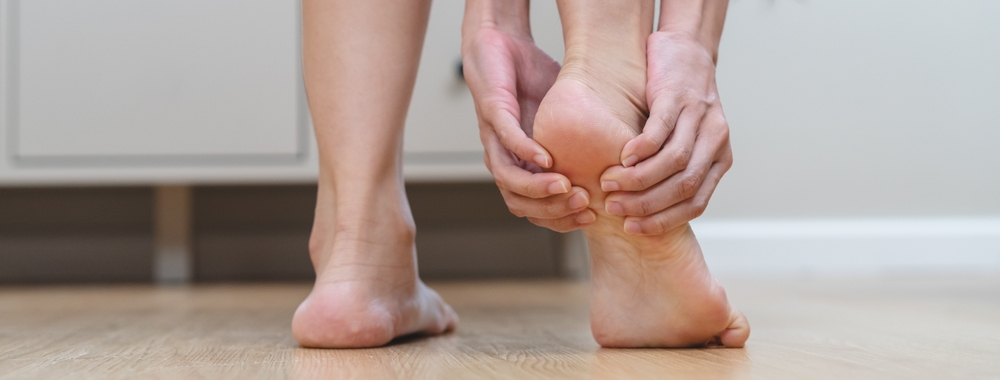
Living with diabetes often means managing more than just blood sugar levels. For many, a challenging complication is diabetic neuropathy, a type of nerve damage that can cause significant pain and discomfort. Effective diabetes neuropathy and pain management are crucial for maintaining a good quality of life. Fortunately, ongoing research is leading to new drugs and interventions to manage diabetic neuropathy, offering hope and improved outcomes. Understanding these advancements can empower you to have more informed discussions with your healthcare provider about the best path forward for your health. At Doral Health & Wellness, we have all the answers you need.
Understanding Diabetic Neuropathy
Diabetic neuropathy is a common and serious complication of both type 1 and type 2 diabetes. It results from long-term high blood sugar levels, which can damage nerves throughout your body. While it can affect various parts of the body, it most often damages nerves in the legs and feet.
Symptoms can range from mild numbness to debilitating pain. They often include:
- Tingling or a “pins and needles” sensation
- Sharp, jabbing, or burning pain
- Extreme sensitivity to touch
- Loss of coordination and balance
- Numbness or reduced ability to feel pain or temperature changes
Managing these symptoms is the cornerstone of treatment, aiming to relieve pain, slow the progression of the condition, and prevent further complications.
The Evolving Landscape of Diabetes Neuropathy and Pain Management
For years, treatment options have focused on managing symptoms with general pain relievers, antidepressants, and anti-seizure medications. While these can be effective for some, they don’t work for everyone and often come with side effects. The latest research is shifting focus toward developing treatments that target the underlying causes of nerve damage. This has led to the exploration of several novel drug targets and innovative interventions.
Novel Drug Targets on the Horizon
Scientists are identifying specific pathways and molecules involved in the development of neuropathic pain in diabetes. This has opened the door to developing more targeted and effective medications.
Originally developed to lower blood glucose, sodium-glucose cotransporter-2 (SGLT2) inhibitors are now showing promise in a new role. Studies suggest they may have a protective effect on nerves, potentially slowing the progression of neuropathy. By improving glycemic control and reducing oxidative stress, they address some of the root causes of nerve damage.
Aldose Reductase Inhibitors
The aldose reductase pathway is activated during periods of high blood sugar, contributing to nerve cell injury. Drugs that inhibit this enzyme have been a focus of research for decades. Newer generations of these inhibitors are being developed with improved efficacy and safety profiles, offering a potential way to directly prevent the metabolic damage that leads to neuropathy.
Targeting Nerve Growth Factor (NGF)
Nerve Growth Factor is essential for the survival and maintenance of neurons. In diabetes, its function can be impaired. Therapies aimed at modulating NGF activity are being investigated to promote nerve repair and reduce pain signals. This approach aims to restore nerve health rather than just masking the pain.
Innovative Interventions Beyond Medication
Alongside new drugs, non-pharmacological interventions are gaining traction. These treatments can be used alone or in combination with medication to provide comprehensive care. A consultation with a diabetologist can help determine which interventions are right for you.
Spinal cord stimulation is a procedure where a small, implanted device sends low levels of electricity directly to the spinal cord to relieve pain. It works by disrupting the pain signals before they can reach the brain. Once reserved for treatment-resistant cases, recent advancements have made SCS a more accessible and effective option for painful diabetic neuropathy, offering significant and lasting relief for many patients.
High-Frequency Nerve Stimulation
This is another form of neuromodulation that uses high-frequency electrical impulses applied to the skin over painful areas. It is non-invasive and can be administered at a clinic or with a portable device at home. This therapy can help desensitize nerve endings and reduce the perception of pain over time. Many patients find it to be a valuable tool in their pain management toolkit.
Finding the Right Care
Managing a complex condition like diabetic neuropathy requires specialized expertise. Seeking care at a dedicated diabetes clinic in Brooklyn can provide access to a multidisciplinary team, including endocrinologists, neurologists, and pain management specialists. These clinics are often at the forefront of adopting new treatments and can offer personalized care plans tailored to your specific needs.
Your Path to Better Management
The field of diabetes neuropathy and pain management is rapidly advancing. With new drugs and interventions to manage diabetic neuropathy becoming available, there is more hope than ever for those living with this challenging condition. The key is to work closely with your healthcare team to explore the options that are best for you.
If you are experiencing symptoms of diabetic neuropathy, don’t hesitate to speak with your doctor or a qualified diabetologist. A comprehensive evaluation can lead to a diagnosis and a treatment plan that incorporates the latest and most effective strategies. For those in New York, a specialized diabetes clinic in Brooklyn can be an excellent resource for accessing cutting-edge care. Take control of your nerve health today. If you need help with diabetes management, visit us to get professional medical help. Our diabetologists create personalized treatment plans to ensure that you lead a fulfilling life. Book your appointment now, call us on + 1-718-367-2555 to get your condition treated! Learn more about Diabetes at www.doralhw.org. and stay up to date on current health topics and new research. If you need help, register your information and make direct contact with us at https://yuz88hfiyh7.typeform.com/Doralintake. Or visit us at 1797 Pitkin Avenue, Brooklyn, NY 11212.