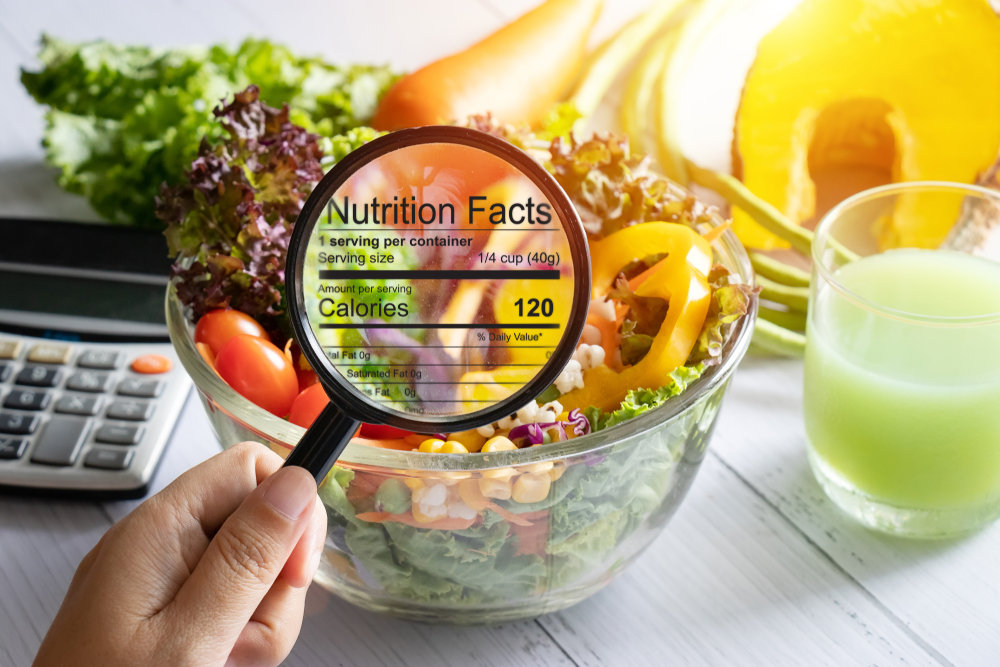
Making healthy food choices can feel like a complex puzzle, especially when navigating the aisles of a grocery store. This article is the ultimate guide to understanding food labels and calorie density, designed to empower you with the knowledge to make informed decisions. By learning how to read a nutrition facts label effectively, you can take control of your diet and move closer to your health goals. Whether you’re managing your weight, recovering from a medical procedure, or simply aiming for a healthier lifestyle, this guide will provide the clarity you need to choose foods that nourish your body. Log on to https://doralhw.org/specialties/bariatric/ to know more about weight loss.
Decoding the Nutrition Facts Label
The nutrition facts label is a powerful tool, but its wealth of information can be intimidating. Let’s break it down into manageable parts so you can use it with confidence.
- Serving Size and Servings Per Container
This is the most critical starting point. All the values on the label—calories, fat, sodium—are based on a single serving size. It’s easy to mistake the entire package for one serving, but often it contains two, three, or even more. Always check the “servings per container” to understand the total calories and nutrients you’re consuming if you eat the whole package. This is a common pitfall that can derail weight management efforts.
Calories are a measure of the energy you get from a serving of food. While the number of calories is important, the source of those calories matters just as much. A food low in calories might also be low in nutrients. This is where understanding calorie density becomes essential. A qualified bariatric doctor can help you create a personalized plan that focuses on nutrient-rich, lower-calorie foods.
- Key Nutrients to Limit and to Get Enough Of
The label highlights nutrients that you should generally limit, such as:
- Saturated Fat: Linked to an increased risk of heart disease.
- Sodium: High intake can contribute to high blood pressure.
- Added Sugars: These are sugars added during processing, not those naturally occurring in fruits or milk. They provide empty calories with little nutritional benefit.
It also shows nutrients you want to get more of, including:
- Dietary Fiber: Promotes digestive health and can help you feel full longer.
- Vitamin D, Calcium, Iron, and Potassium: These are vital for bone health, energy, and overall wellness.
Understanding Calorie Density
Calorie density refers to the number of calories in a given weight of food. Foods with low calorie density provide fewer calories per bite, allowing you to eat larger, more satisfying portions without overconsuming calories.
- Low-Calorie-Dense Foods: These are typically high in water and fiber, like fruits, vegetables, and broth-based soups. They help you feel full and are packed with nutrients.
- High-Calorie-Dense Foods: These include items like fried foods, sugary snacks, and oils. They contain a lot of calories in a small portion, making it easy to overeat.
For individuals who have undergone weight loss surgery, focusing on low-calorie, high-nutrient foods is a cornerstone of a successful long-term diet. A bariatric clinic in Brooklyn can offer tailored dietary guidance for post-surgical needs.
Practical Tips for Using Food Labels
Now that you understand the components, here’s how to apply this knowledge during your shopping trips.
Compare Products Side-by-Side
When choosing between two similar products, like different brands of yogurt or bread, use the nutrition facts label to compare them. Look for the option with lower added sugars, less sodium, and higher fiber. This simple habit can make a significant difference over time.
Look Beyond the Front of the Package
The front of the package is marketing. Claims like “low-fat,” “natural,” or “multigrain” can be misleading. “Low-fat” might mean high in sugar, while “multigrain” simply means it contains more than one type of grain—it doesn’t guarantee it’s a whole grain. Always turn the package over and check the ingredients list and the nutrition facts label for the real story.
The 5/20 Rule
A handy shortcut for reading the Percent Daily Value (%DV) column is the 5/20 rule:
- 5% DV or less of a nutrient per serving is considered low.
- 20% DV or more of a nutrient per serving is considered high.
Use this to quickly identify foods that are low in nutrients you want to limit (like saturated fat and sodium) and high in nutrients you want more of (like fiber and vitamins).
This ultimate guide to understanding food labels and calorie density is your roadmap to smarter, healthier food choices. By mastering the nutrition fact label and focusing on low-calorie-dense foods, you can build a diet that supports your health and wellness goals. Remember, knowledge is power, and every small, informed choice contributes to a larger, positive change in your life.
If you are on a specific health journey, such as preparing for or recovering from weight loss surgery, expert guidance is invaluable. Consulting with a bariatric doctor or a specialized team at a bariatric clinic in Brooklyn can provide you with personalized support and ensure you are making the best choices for your unique needs. If you are looking for a weight loss surgery center near you, contact us on +1 718 367 2555 for a consultation with our bariatric doctors. If you need help, register your information and make direct contact with our doctors at https://yuz88hfiyh7.typeform.com/Doralintake. Doral Health and Wellness has the best bariatric doctors and surgeons to treat obesity and weight problems. Book your appointment and walk in at 1797 Pitkin Avenue, Brooklyn, New York 11212.