Measles is often dismissed as a relic of the past, but recent outbreaks prove this highly contagious virus is still a significant health concern. It spreads easily through the air when an infected person coughs or sneezes, lingering for up to two hours after they leave a room. This measles overview will help you understand the signs, risks, and necessary medical responses.
While vaccines have drastically reduced numbers, pockets of infection still occur. Recognizing the early warning signs is crucial for protecting yourself and your community. From the initial fever to the tell-tale rash, understanding the progression of the virus is the first step toward safety. If you suspect exposure, a prompt measles diagnosis is vital to prevent further spread. Reach out to us on https://doralhw.org/contact-us/ for a consultation.
Recognizing the Signs: More Than Just a Rash
Measles typically presents in stages. The infection doesn’t show immediately; there is an incubation period of 10 to 14 days during which no symptoms appear. Once the virus takes hold, symptoms arrive in a specific order.
Early Symptoms (Prodromal Stage)
Before the rash appears, patients often feel like they have a severe cold or flu. Look out for:
- High fever (often spiking above 104°F)
- Dry cough
- Runny nose (coryza)
- Red, watery eyes (conjunctivitis)
- Koplik spots (tiny white spots inside the mouth)
The Acute Phase
Three to five days after symptoms begin, the characteristic rash breaks out. It usually starts at the hairline and spreads downward to the neck, trunk, arms, legs, and feet.
Measles Diagnosis and Medical Evaluation
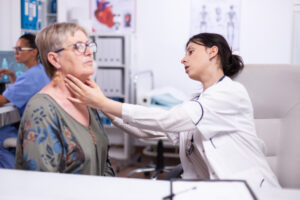
Confirming a case requires professional medical evaluation. A measles diagnosis is usually based on clinical symptoms—specifically the combination of fever, rash, and the “three Cs” (cough, coryza, and conjunctivitis).
However, because other viral illnesses can mimic these signs, doctors often confirm the diagnosis with laboratory tests.
Common Diagnostic Tests:
- Blood tests: To detect measles-specific IgM antibodies.
- Throat or nasal swabs: To isolate the virus genetically.
- Urine samples: Sometimes used alongside other tests for confirmation.
If you or a family member shows symptoms, do not go directly to the waiting room. Call ahead so that the medical facility can isolate you upon arrival. If symptoms are severe or complications arise, you may need to consult an infectious disease specialist. These experts handle complex cases to prevent serious outcomes like pneumonia or encephalitis.
Treatment and Prevention
There is no specific antiviral treatment for measles once the infection is established. Care is supportive, focusing on relieving symptoms and preventing complications.
Supportive Care Measures:
- Rest and Isolation: Stay home to prevent spreading the virus.
- Fluids: Drink plenty of water and electrolytes to avoid dehydration.
- Fever Reducers: Use acetaminophen or ibuprofen (avoid aspirin in children).
- Vitamin A: The World Health Organization recommends vitamin A supplements for children with measles to reduce severity.
The Role of Vaccination
The most effective “treatment” is prevention. The MMR (measles, mumps, and rubella) vaccine is safe and highly effective. Two doses are approximately 97% effective at preventing measles.
If you are unsure of your vaccination status or have been exposed, infectious disease doctors in Brooklyn and other urban centers often recommend post-exposure prophylaxis. This might involve getting the vaccine within 72 hours of exposure or receiving immune globulin (IG) within six days.
When to Seek Specialized Care
Most people recover with rest, but complications can be dangerous, especially for children under 5 and adults over 20. If a patient experiences difficulty breathing, confusion, or severe lethargy, seek emergency care immediately.
For those in high-density areas where outbreaks can spread rapidly, finding local expertise is important. Consulting infectious disease doctors in Brooklyn can provide peace of mind and specialized care plans for vulnerable family members. An infectious disease specialist can also guide pregnant women or immunocompromised individuals who face higher risks.
Understanding the basics provided in this measles overview is essential for public health. While the disease is preventable, it requires vigilance. If you notice symptoms, prioritize isolation and seek a professional measles diagnosis immediately. Vaccination remains our strongest shield against this resilient virus. Book your appointment now, call us on + 1-718-367-2555 to get treated! Learn more about infectious diseases at www.doralhw.org. and stay up to date on current health topics and new research, on recent infectious diseases like COVID-19. If you need help, register your information and make direct contact with our doctors at https://yuz88hfiyh7.typeform.com/Doralintake. Or visit us at 1797 Pitkin Avenue, Brooklyn, NY 11212.