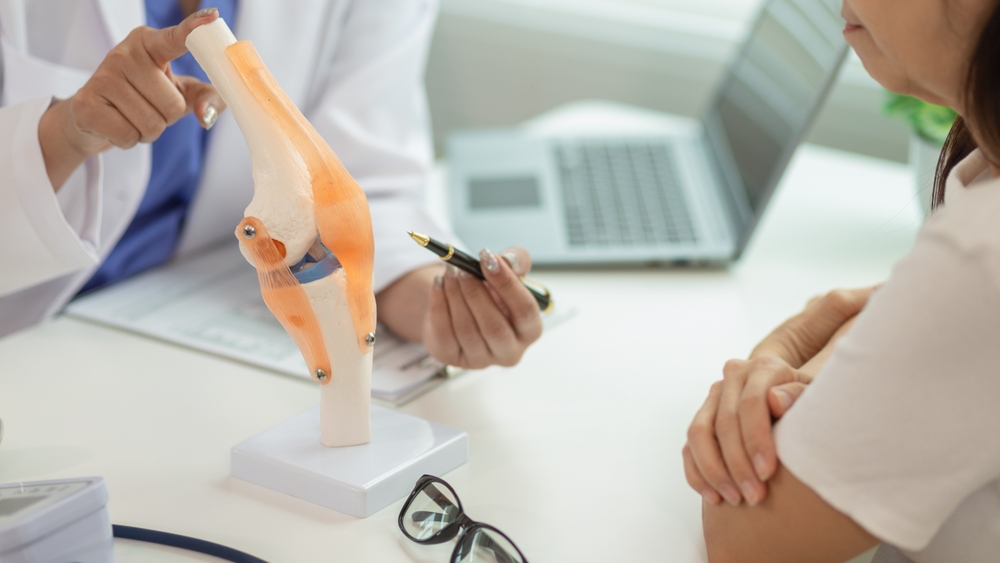
We often associate diabetes with blood sugar spikes, dietary restrictions, and cardiovascular health. But did you know that your mobility is also at risk? Many patients are surprised to learn that persistent joint pain or stiffness might actually be a complication of their metabolic condition. This brings us to a critical question: Can diabetes lead to tendon problems? The short answer is yes. High glucose levels do more than just affect your organs; they can fundamentally change the structure of your connective tissues. Understanding the broader diabetes impacts on bones and joints is essential for staying active and pain-free. If you have been experiencing unusual aches or limited movement, it might be time to look beyond arthritis and consider how your diabetes management plays a role. At Doral Health & Wellness, we have all the answers you need.
How Diabetes Affects Your Tendons
Tendons are the tough, fibrous cords that connect muscle to bone. To function correctly, they need to be flexible and strong. However, uncontrolled diabetes creates a hostile environment for these tissues.
The Role of Glycation
When blood sugar remains high for long periods, a process called glycation occurs. Excess sugar molecules attach themselves to proteins, specifically collagen, which is the main building block of your tendons. This forms sticky compounds known as advanced glycation end products (AGEs).
- Stiffness: AGEs make collagen fibers thick and stiff, reducing flexibility.
- Weakness: The structural integrity of the tendon weakens, making it more prone to tears.
- Inflammation: AGEs can trigger chronic inflammation, leading to pain and swelling.
Because these changes happen slowly, many people dismiss the symptoms as simple aging. A skilled diabetologist can help distinguish between normal wear-and-tear and diabetes-related complications.
Common Tendon Issues in Diabetes
The diabetes impacts on bones and joints are wide-ranging, but specific conditions appear more frequently in people with diabetes.
Frozen Shoulder (Adhesive Capsulitis)
This is one of the most common musculoskeletal complications. It involves severe pain and a significant loss of motion in the shoulder joint. The capsule surrounding the shoulder joint thickens and tightens, making simple tasks like reaching for a shelf incredibly difficult.
Trigger Finger (Stenosing Tenosynovitis)
In this condition, a finger gets stuck in a bent position and then snaps straight. It happens because the protective sheath around the tendon becomes inflamed and thickened, preventing the tendon from gliding smoothly.
The Achilles tendon connects your calf muscle to your heel. Diabetes can cause this tendon to thicken and lose elasticity, increasing the risk of tears or ruptures, even during minor physical activity.
Dupuytren’s Contracture
This condition causes the connective tissue under the skin of your palm to thicken. Over time, it pulls one or more fingers inward toward the palm, so they cannot be straightened completely.
Prevention and Management Strategies
The good news is that these complications are often preventable or manageable with the right approach.
- Blood Sugar Control: Keeping your glucose levels within the target range is the most effective way to prevent the accumulation of AGEs.
- Regular Exercise: Gentle stretching and strengthening exercises keep tendons flexible.
- Weight Management: Reducing body weight decreases the mechanical load on your tendons and joints.
If you are already experiencing symptoms, don’t wait. Consulting a specialist at a diabetes management clinic in Brooklyn can provide you with targeted therapies. Early intervention often means simpler treatments, such as physical therapy or anti-inflammatory medications, rather than surgery.
When to See a Specialist
If you find yourself asking, “Can diabetes lead to tendon problems?” because you are in pain, you need a professional evaluation. Ignoring stiffness or a limited range of motion can lead to permanent disability. A diabetologist can assess your overall metabolic health and coordinate with orthopedic specialists if necessary. For those living in New York, visiting a dedicated diabetes management clinic in Brooklyn ensures you receive comprehensive care that addresses both your blood sugar and its musculoskeletal side effects. Your mobility is your independence. By staying proactive and keeping your blood sugar in check, you can protect your tendons and keep moving freely for years to come. To book your appointment now, call us on + 1-718-367-2555 to get your condition treated! Learn more about Diabetes at www.doralhw.org. and stay up to date on current health topics and new research. If you need help, register your information and make direct contact with us at https://yuz88hfiyh7.typeform.com/Doralintake. Or visit us at 1797 Pitkin Avenue, Brooklyn, NY 11212.