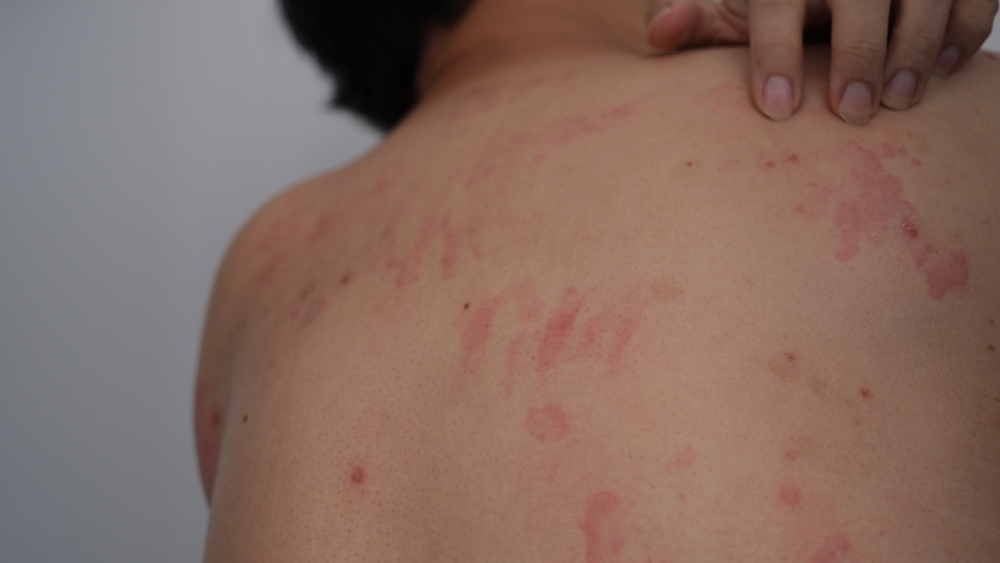
Imagine waking up every day wondering if your skin will break out in itchy, painful welts without any clear reason. For many people, this is a daily reality. Chronic Spontaneous Urticaria (CSU) is a skin condition characterized by the appearance of hives (urticaria) that persist for six weeks or longer with no identifiable trigger. Because the triggers are often internal rather than external, spotting signs of chronic spontaneous urticaria can be confusing and frustrating. It is not just about a simple rash; it is about understanding a complex immune response that disrupts your quality of life. In this guide, we will break down exactly what to look for and explore the most effective treatment options for chronic spontaneous urticaria available today. Whether you are dealing with mild discomfort or severe swelling, knowing the signs is the first step toward reclaiming your skin health. At Doral Health & Wellness, we have all the answers you need.
Spotting Signs of Chronic Spontaneous Urticaria Effectively
Identifying CSU is not always straightforward because it often mimics other allergic reactions. However, specific patterns distinguish it from a typical food or environmental allergy. The key to spotting signs of chronic spontaneous urticaria lies in observing the timing, duration, and nature of the symptoms.
The Appearance of Hives (Wheals)
The most obvious sign of CSU is the presence of wheals. These are raised, red, or skin-colored bumps that can appear anywhere on the body.
- Rapid onset: They often appear suddenly and can change shape or size quickly.
- Blanching: If you press the center of a red hive, it typically turns white (blanches).
- Migration: Individual hives usually fade within 24 hours, but new ones may appear in different locations, making the condition feel continuous.
Angioedema (Swelling)
About 40% of people with CSU also experience angioedema, which is swelling in the deeper layers of the skin.
- Common areas: Eyelids, lips, hands, feet, and sometimes the throat.
- Sensation: Unlike the itching of hives, angioedema often causes pain, burning, or a tingling sensation.
If you notice these symptoms persisting for more than six weeks without a clear cause, like a new soap or food, it is time to consult an allergist. They can help differentiate CSU from other conditions.
Treatment Options for Chronic Spontaneous Urticaria
Once diagnosed, the focus shifts to management. While CSU can be unpredictable, the treatment options for chronic spontaneous urticaria have advanced significantly, offering hope for long-term remission. The goal is to control symptoms so you can live a normal life.
First-Line Treatments: Antihistamines
The standard initial treatment involves non-sedating H1-antihistamines. These medications block histamine, the chemical responsible for the itching and swelling. Doctors may prescribe up to four times the standard dose to control severe symptoms effectively.
Advanced Therapies
If antihistamines are not enough, specialists may recommend biologics. Omalizumab is a monoclonal antibody that targets IgE (a protein involved in allergic reactions) and is highly effective for many patients with stubborn CSU.
Lifestyle Management
While medication is crucial, managing stress and avoiding known aggravators like excessive heat or tight clothing can also help.
When to Seek Professional Help
Living with chronic hives can be isolating, but you do not have to manage it alone. If over-the-counter remedies are failing, visiting a specialized immunology clinic in Brooklyn can provide access to advanced diagnostic tools and therapies.
An allergist will review your medical history and may perform blood tests to rule out underlying autoimmune disorders or infections. This comprehensive approach ensures that your treatment plan is tailored to your specific needs. For residents in the New York area, finding a reputable immunology clinic in Brooklyn is essential for ongoing care and monitoring.
Chronic spontaneous urticaria is more than just an itch; it is a chronic condition that requires patience and expert care. By becoming proficient at spotting signs of chronic spontaneous urticaria, such as migrating wheals and deep swelling, you can seek a diagnosis sooner. Furthermore, understanding the modern treatment options of chronic spontaneous urticaria, from high-dose antihistamines to biologics, empowers you to advocate for better relief. If your skin is affecting your daily life, don’t wait. Reach out to a certified allergist today to discuss a personalized management plan. A qualified allergist can provide the relief you need to feel your best. For a comprehensive evaluation of your symptoms and to receive expert medical advice, contact Doral Health & Wellness today at 1-718-365-2555 or visit us at 1797 Pitkin Avenue, Brooklyn, New York 11212. We are committed to providing the supportive and expert care you deserve. For general information about Doral Health & Wellness services, you can contact or email info@doralhw.org.