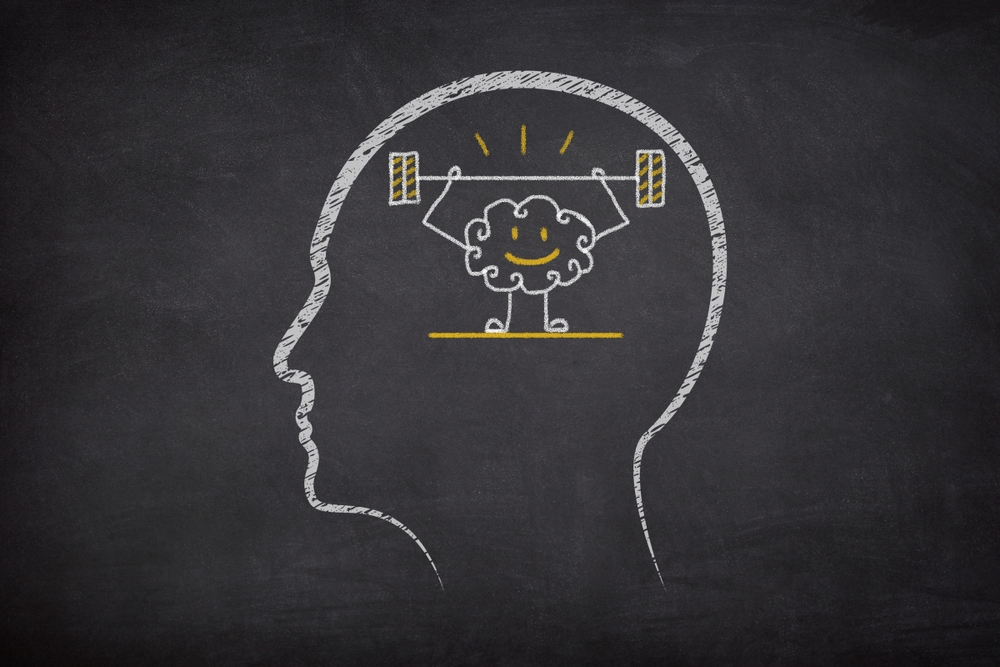
We have all experienced those moments where our brains feel foggy, sluggish, or just “offline.” While the internet slang term “brain rot” usually refers to the effects of endless scrolling on social media, in a medical context, it touches on a very real concern: the gradual loss of cognitive sharpness. As we age, maintaining neural health becomes critical. Finding effective tips to prevent brain rot to support cognitive decline is not just about avoiding bad habits; it is about actively building a resilient mind.
Whether you are noticing minor memory lapses or are caring for someone with early-stage dementia, proactive steps can make a difference. By engaging in specific mental, physical, and social activities, you can create a buffer against degeneration. This guide explores practical ways to keep your neurons firing and your mind engaged. Visit the best Mental Health Clinic in Brooklyn at Doral Health & Wellness, or log on to www.doralhw.org to know more.
Actionable Tips to Prevent Brain Rot to Support Cognitive Decline
The brain is like a muscle; if you don’t use it, you lose it. However, “using it” means more than just doing a daily crossword puzzle. It requires a holistic approach to health.
Cognitive Stimulation
To truly challenge your brain, you need novelty. Routine is the enemy of neuroplasticity.
- Learn a New Skill: Pick up an instrument, learn a new language, or try a complex strategy game like chess. These activities force the brain to forge new neural pathways.
- Change Your Environment: Even simple changes, like taking a different route to the grocery store or rearranging your furniture, can stimulate the hippocampus, the part of the brain responsible for memory.
- Limit Passive Consumption: Reduce time spent passively watching TV or scrolling through feeds. Replace it with active engagement, like reading a book that challenges your perspective or writing in a journal.
Physical Health as Brain Health
What is good for the heart is good for the head. Blood flow is essential for delivering oxygen and nutrients to brain cells.
- Aerobic Exercise: Aim for at least 150 minutes of moderate activity per week. Walking, swimming, or dancing can increase the size of the hippocampus.
- Sleep Hygiene: Deep sleep is when the brain clears out toxins, including the beta-amyloid plaques associated with Alzheimer’s. Prioritize getting 7-9 hours of quality rest nightly.
- Nutrition: The MIND diet—a hybrid of the Mediterranean and DASH diets—has been shown to lower the risk of Alzheimer’s by as much as 53%. Focus on leafy greens, berries, nuts, and fish.
When Lifestyle Changes Aren’t Enough
Sometimes, despite our best efforts, cognitive decline progresses. Knowing when to seek professional help is one of the most important tips to prevent brain rot and support cognitive decline.
The Role of a Behavioral Health Specialist
If you notice that memory lapses are affecting daily life or causing significant anxiety, it is time to consult a behavioral health specialist. These professionals can differentiate between normal aging, depression-induced brain fog, and early neurodegenerative disease. A behavioral health specialist can also provide cognitive behavioral therapy (CBT) to help manage the frustration and emotional toll that often accompany cognitive changes.
Finding Support at a Mental Health Clinic in Brooklyn
You do not have to navigate this journey alone. For residents in the New York area, Doralw Health & Wellness’s specialized mental health clinic in Brooklyn can offer comprehensive evaluations. We provide more than just diagnosis; we offer cognitive remediation therapies designed to strengthen specific mental functions. Visiting our mental health clinic in Brooklyn connects you with a support network. From group therapy sessions to family counseling, these resources ensure that both the individual and their caregivers have the tools they need to manage cognitive health effectively.
Building a Cognitive Reserve
The goal of these strategies is to build what scientists call “cognitive reserve.” This is the brain’s ability to improvise and find alternate ways of getting a job done. The more reserves you build through learning and healthy habits, the better your brain can cope with any changes that come its way.
Protecting your mind is a lifelong project. By implementing these tips to prevent brain rot and support cognitive decline, you are investing in your future self. Whether through learning a new hobby, improving your diet, or seeking guidance from a professional, every step counts. If you are concerned about your cognitive health, reach out to a specialist today to create a personalized plan. For further inquiries, call us at +1-718-367-2555 to get a consultation. Or log on to www.doralw.org. Visit us at 1797 Pitkin Avenue, Brooklyn, NY 11212. If you need help, register your information and make direct contact with us at https://yuz88hfiyh7.typeform.com/Doralintake.