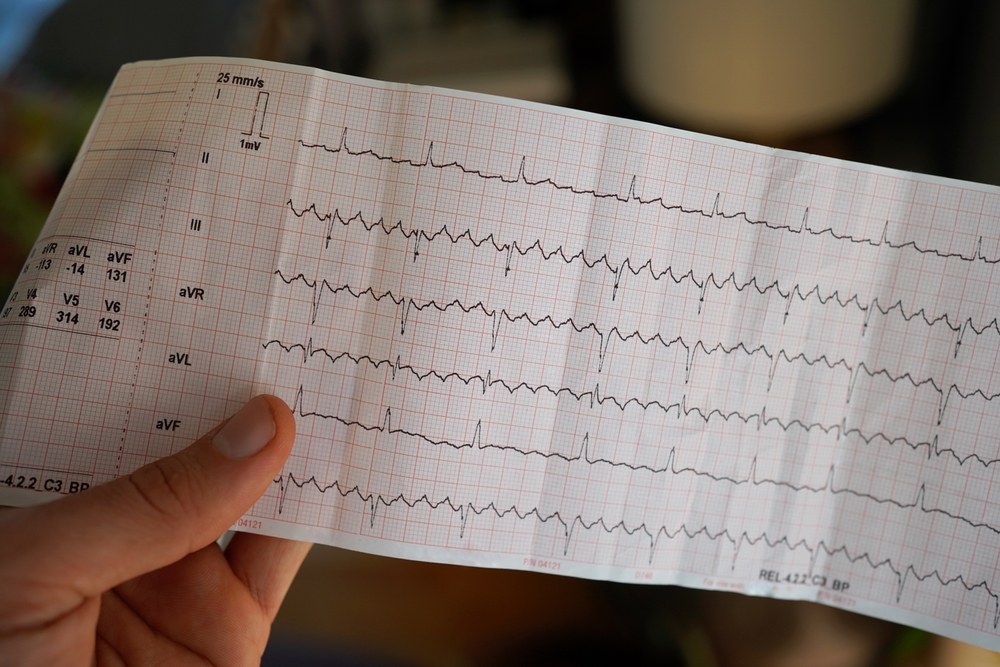
Atrial fibrillation, or AFib, is an irregular and often rapid heart rhythm that has historically been associated with older populations. However, cardiologists are noticing a troubling new trend: a significant increase in cases of atrial fibrillation in young adults. This shift raises important questions about lifestyle, risk factors, and the long-term health implications for a generation that once considered itself immune to such conditions. Recognizing the signs and understanding the potential triggers is the first step toward protecting your heart health for the long run. Get a consultation with the best cardiologists in Brooklyn.
Why Is Atrial Fibrillation in Young Adults Increasing?
While a direct cause for the rise isn’t always clear, research points to a combination of lifestyle factors and increased awareness. The condition is no longer something seen only in patients over 60. A qualified cardiologist will look at several potential contributors when diagnosing AFib in a younger person.
Key Risk Factors
- Obesity: The rise in obesity rates among younger populations is a major contributing factor. Excess weight puts significant strain on the heart and is closely linked to developing AFib.
- High Blood Pressure (Hypertension): Often a “silent” condition, untreated high blood pressure can damage the heart’s electrical system over time.
- Binge Drinking: Episodes of heavy alcohol consumption, sometimes called “holiday heart syndrome,” can trigger an episode of AFib, even in otherwise healthy individuals.
- Intense Athletic Training: While regular exercise is beneficial, extreme endurance sports can, in some cases, put stress on the heart and lead to electrical changes.
- Substance Use: The use of stimulants, including illicit drugs and even excessive caffeine or energy drinks, can provoke an irregular heartbeat.
Recognizing the Symptoms
One of the challenges with atrial fibrillation in young adults is that symptoms can be subtle or easily dismissed. They might come and go, making it hard to pinpoint a problem.
Common Signs to Watch For:
- Heart Palpitations: A feeling of a racing, fluttering, or pounding heart.
- Unexplained Fatigue: Feeling unusually tired or weak, even after a full night’s sleep.
- Dizziness or Lightheadedness: A sensation of being faint or unsteady.
- Shortness of Breath: Difficulty breathing, especially during mild physical activity.
- Chest Discomfort: A feeling of pressure or tightness in the chest.
If you experience any of these symptoms, especially if they are new or recurrent, it is crucial not to ignore them.
The Importance of Early Diagnosis and Treatment
While a single episode of AFib might not be life-threatening, recurring episodes significantly increase the risk of serious complications, most notably stroke. When the heart’s upper chambers quiver instead of beating effectively, blood can pool and form clots. If a clot travels to the brain, it can cause a stroke.
Seeking Expert Care
An accurate diagnosis is essential. This usually involves an electrocardiogram (ECG) to record the heart’s electrical activity. Your doctor may also recommend a wearable monitor to capture infrequent episodes.
Visiting a specialized cardiology clinic in Brooklyn can provide access to the expertise needed for a thorough evaluation. An experienced cardiologist can not only confirm the diagnosis but also work with you to identify and manage the underlying triggers. Treatment options range from lifestyle changes and medications to control the heart’s rhythm and rate to more advanced procedures like catheter ablation.
Conclusion
The rise of atrial fibrillation in young adults serves as a critical reminder that heart health is a lifelong concern. Understanding the risk factors and paying attention to your body’s signals are your first lines of defense. Do not dismiss palpitations or persistent fatigue as normal.
Taking proactive steps is key to preventing long-term complications. If you have concerns about your heart health, call us at +1 718 367 2555. Contact our cardiologists at Doral Health & Wellness, who consistently have outstanding patient satisfaction ratings. If you need help, register your information at https://yuz88hfiyh7.typeform.com/Doralintake. The professionals at Doral Health & Wellness Cardiology Brooklyn can improve your health and quality of life because of their vast training and experience. New Yorkers can get the best cardiovascular care at Doral Health & Wellness Brooklyn. Visit us at 1797 Pitkin Avenue, Brooklyn, NY 11212.