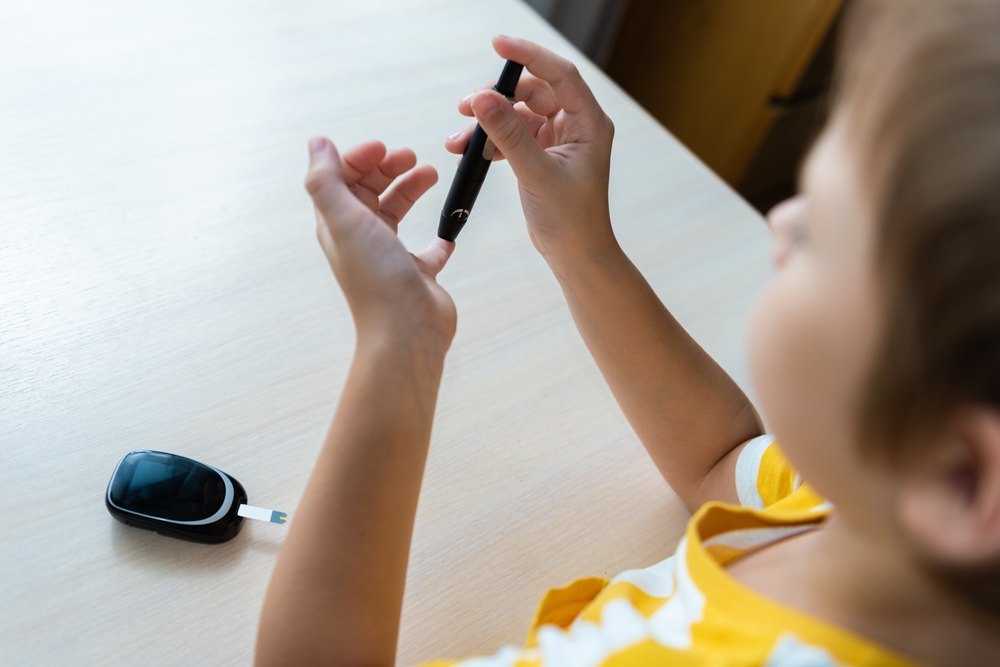
Parenting involves constant vigilance, from monitoring fevers to checking developmental milestones. However, one area often overlooked until symptoms become severe is type 1 diabetes screening in children. Unlike type 2 diabetes, which is linked to lifestyle, type 1 is an autoimmune condition that can strike suddenly. Understanding the importance of early detection and recognizing the early signs of diabetes in kids for better management can prevent life-threatening complications like diabetic ketoacidosis (DKA).
If you are concerned about your child’s health, knowing what to look for—and where to turn for help—is the first step toward peace of mind. At Doral Health & Wellness, we have all the answers you need.
Why Type 1 Diabetes Screening in Children Matters
For years, type 1 diabetes was only diagnosed after a child became noticeably ill. Today, medical advancements allow us to identify risk factors long before symptoms appear. Screening looks for autoantibodies—proteins in the blood that indicate the immune system is attacking the pancreas.
Detecting these markers early changes the game. It allows parents and doctors to monitor blood sugar levels proactively, preventing the sudden, dangerous onset of symptoms.
Who Should Get Screened?
While universal screening is still being debated, experts recommend screening for children with specific risk factors:
- Family History: If a parent or sibling has Type 1 diabetes, your child is at higher risk.
- Autoimmune Conditions: Children with celiac disease or thyroid issues should be monitored closely.
- Genetic Susceptibility: Certain genetic markers can indicate a higher likelihood of developing the condition.
Consulting a diabetologist can help determine if your child is a candidate for screening tests like TrialNet, which can identify risk years in advance.
Early Signs of Diabetes in Kids for Better Management
Even if your child hasn’t been screened, spotting symptoms early is crucial. The onset of type 1 diabetes in children can be rapid, sometimes developing over just a few weeks. Recognizing the early signs of diabetes in kids for better management can save your child from a hospital stay.
The “4 T’s” of Type 1 Diabetes
Keep an eye out for these classic warning signs:
- Toilet: Is your child urinating more frequently? Look for heavy diapers in babies or bedwetting in previously toilet-trained children.
- Thirsty: Is your child drinking water constantly but unable to quench their thirst?
- Tired: Does your child have unexplained fatigue or lethargy, even after a good night’s sleep?
- Thinner: Has your child lost weight suddenly without a change in diet?
Other Subtle Symptoms
- Fruity Breath: A sweet or fruity smell on the breath can indicate high ketones (DKA).
- Irritability: Mood swings or behavioral changes often accompany high blood sugar.
- Blurred Vision: High glucose levels can cause the lens of the eye to swell.
If you notice these signs, do not wait. Schedule an appointment at a diabetes clinic in Brooklyn or your local area immediately for a simple finger-stick blood test.
The Role of a Diabetologist in Your Child’s Care
Managing type 1 diabetes requires a specialized team. A pediatrician is a great starting point, but a diabetologist (a pediatric endocrinologist) is essential for long-term care. These specialists do more than just prescribe insulin; they help families navigate the emotional and practical complexities of the diagnosis.
A specialist can:
- Create a personalized insulin regimen tailored to your child’s routine.
- Introduce technology like continuous glucose monitors (CGMs) and insulin pumps.
- Provide education on how diet and exercise affect blood sugar.
Finding a dedicated diabetes clinic in Brooklyn ensures your child has access to comprehensive care, including nutritionists and educators who understand the unique needs of pediatric patients.
Taking Action for Your Child’s Future
A diagnosis of type 1 diabetes is life-changing, but it is manageable. The key lies in early intervention. Whether it is proactive type 1 diabetes screening in children with a family history or simply staying alert to the symptoms, your awareness is your child’s best defense.
By spotting early signs of diabetes in kids for better management, you can ensure your child continues to live a healthy, active, and happy life.
Don’t ignore your instincts. If something feels “off” with your child’s health, or if you have a family history of autoimmune conditions, seek professional advice. Early detection turns a medical emergency into a manageable condition. Contact our experts today to schedule a screening or consultation with a leading diabetologist. To book your appointment now, call us on + 1-718-367-2555 to take control of your Diabetes care! Learn more about Diabetes at www.doralhw.org. and stay up to date on current health topics and new research. If you need help, register your information and make direct contact with us at https://yuz88hfiyh7.typeform.com/Doralintake. Or visit us at 1797 Pitkin Avenue, Brooklyn, NY 11212.