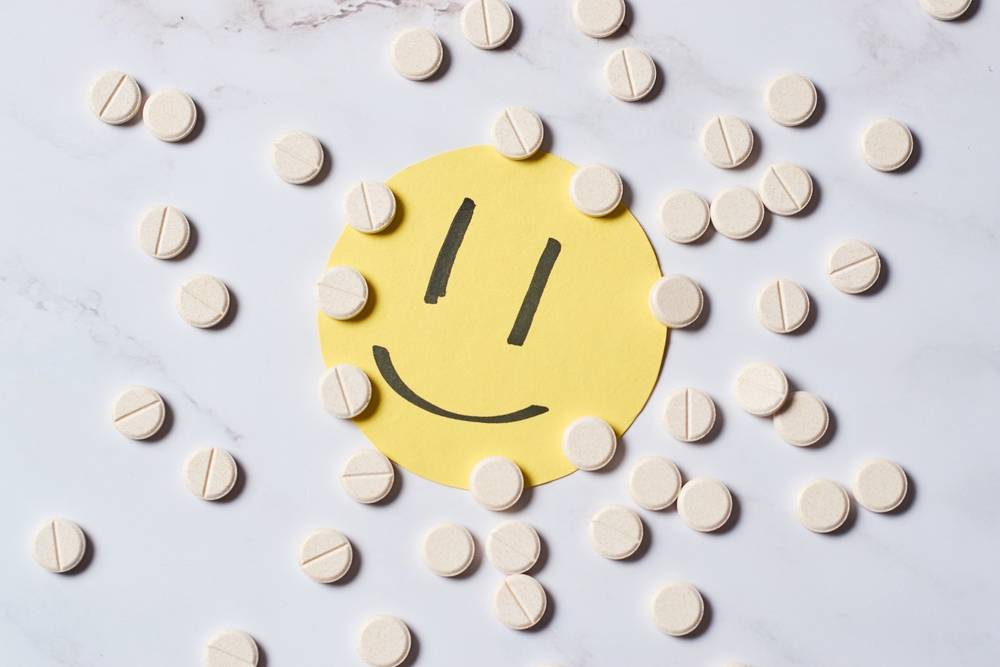
Living with bipolar disorder presents unique emotional and psychological challenges, but stability is entirely possible with the right treatment plan. Finding effective medications for bipolar disorder management is often the cornerstone of living a balanced and fulfilling life. While therapy and lifestyle changes play vital roles, pharmaceutical intervention helps regulate the extreme mood swings associated with this condition. As we strive for better mental health awareness globally, understanding these medical options becomes crucial for patients, families, and caregivers alike. This guide breaks down the primary medication categories used to treat this complex condition. At Doral Health & Wellness, we have all the answers you need.
The Role of Mood Stabilizers
Mood stabilizers are typically the first line of defense in treating bipolar disorder. They are designed to control manic or hypomanic episodes and prevent the pendulum from swinging too far toward depression.
Lithium
Lithium has been used for decades and remains one of the most effective medications for bipolar disorder management. It is particularly known for its ability to reduce the frequency and severity of mania. However, because it affects thyroid and kidney function, patients on lithium require regular blood tests to ensure their dosage remains within a safe and therapeutic range.
Anticonvulsants
Originally developed to treat seizures, anticonvulsants serve as powerful mood stabilizers. Drugs such as valproic acid (Depakote) and lamotrigine (Lamictal) are commonly prescribed. They are often helpful for those who have “rapid cycling” bipolar disorder or mixed episodes, where mania and depression occur simultaneously.
Antipsychotics and Antidepressants
When mood stabilizers alone aren’t enough, doctors may introduce other classes of medication to address specific symptoms.
Atypical Antipsychotics
These medications are often used in combination with mood stabilizers. They act quickly to control acute manic episodes. Common options include:
- Olanzapine (Zyprexa)
- Quetiapine (Seroquel)
- Risperidone (Risperdal)
- Aripiprazole (Abilify)
These drugs help calm the brain’s chemistry, aiding in the reduction of hallucinations or delusions that can accompany severe mania.
Antidepressants
The use of antidepressants in bipolar disorder is approached with caution. While they treat depressive lows, they can sometimes trigger a manic episode if taken without a mood stabilizer. A psychiatrist will carefully weigh the risks and benefits before adding an antidepressant to a treatment regimen.
Treatment Adherence and Awareness
Finding the right drug cocktail is only half the battle; taking it consistently is the other. Non-adherence is a major hurdle in medications for bipolar disorder. Patients often feel “cured” during stable periods and stop their medication, only for symptoms to return.
Initiatives like World Bipolar Day, observed every March 30th, highlight the importance of sticking to a treatment plan. This global event aims to reduce stigma and educate the public about the biological nature of the disorder. By normalizing the need for medication, we can foster an environment where patients feel supported rather than judged.
Holistic Management Strategies
Medication works best when paired with a healthy lifestyle. While pills balance brain chemistry, routine stabilizes daily life.
- Regular Sleep: Erratic sleep can trigger mania.
- Stress Reduction: High stress is a common relapse trigger.
- Therapy: CBT (Cognitive Behavioral Therapy) helps patients identify triggers.
Promoting mental health awareness involves educating patients on how lifestyle choices interact with their prescriptions. For example, alcohol and drugs can interfere with how medications work, rendering them less effective or causing dangerous side effects.
Conclusion
Navigating a diagnosis takes time, patience, and a strong partnership with healthcare providers. The landscape of medications for bipolar disorder management is vast, offering hope and stability to millions. Whether it is through participating in World Bipolar Day events or simply having open conversations with loved ones, increasing mental health awareness is essential.
If you or a loved one is struggling, remember that help is available. Reaching out is a sign of strength. Our experts are committed to providing inclusive and affirming care. Contact us today to connect with a professional who can support you on your journey. At Doral Health & Wellness, we have all the answers you need. By working together, we can foster a community where everyone has the opportunity to achieve their best possible health. If you ever have questions or feel uncertain about your care, we encourage you to speak up. Our team is here to listen and provide the clarity you deserve. For further inquiries, call us at +1-718-367-2555 to get a consultation or visit us at 1797 Pitkin Avenue, Brooklyn, NY 11212.