The landscape of Alzheimer’s disease research is undergoing a significant transformation, especially for those affected by its early-onset form. For years, the scientific community focused heavily on amyloid plaques as the primary culprit. However, a complex debate is challenging this long-held theory, leading to exciting new directions. It is important to stay informed about the recent breakthroughs in early-onset Alzheimer’s research. These developments are not just academic; they offer new hope for diagnosis, treatment, and understanding this challenging condition. This article will explore the evolving amyloid debate and highlight the latest progress in the field. Visit the best Mental Health Clinic in Brooklyn at Doral Health & Wellness, or log on to www.doralhw.org to know more.
New Insights: Recent Breakthroughs in Early-Onset Alzheimer’s Research You Need to Know
For decades, the “amyloid hypothesis” suggested that the buildup of amyloid-beta protein plaques in the brain was the main cause of Alzheimer’s disease. While these plaques are still considered a key feature of the disease, several new anti-amyloid drugs have shown only modest benefits. This has pushed researchers to look beyond a single cause and explore other contributing factors, leading to significant discoveries.
Moving Beyond Amyloid Plaques
The latest research is exploring a more holistic view of the disease, especially in its early-onset form, which affects individuals under the age of 65.
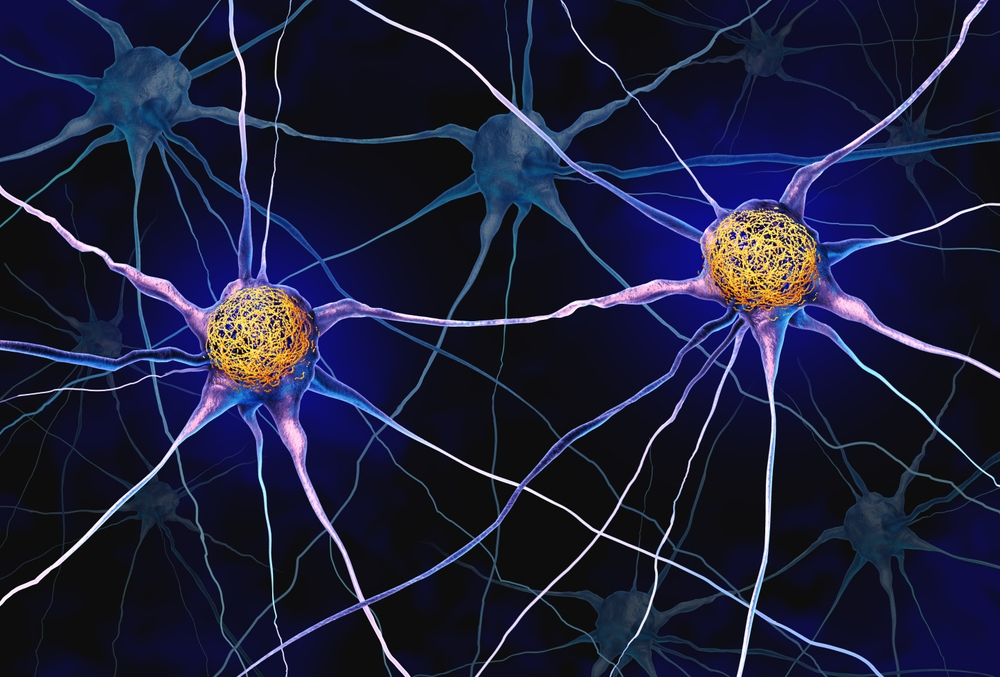
- The Role of Tau Protein: There is a growing focus on tangles of another protein called tau. Some scientists now believe that the spread of toxic tau is more closely linked to cognitive decline than the presence of amyloid plaques.
- Neuroinflammation: Research increasingly points to chronic inflammation in the brain as a major driver of neuron damage. This has opened doors to potential treatments that target the brain’s immune response.
- Vascular and Metabolic Factors: There is strong evidence linking the health of the brain’s blood vessels and metabolic issues like insulin resistance to Alzheimer’s risk. This suggests that lifestyle and cardiovascular health are critical components of prevention and management.
A qualified mental health doctor can help families navigate the complexities of an early-onset diagnosis and connect them with the latest information and clinical trials.
Advances in Diagnosis and Treatment
These new areas of focus are leading to tangible progress in how the condition is identified and managed.
- Advanced Blood Tests: One of the most significant breakthroughs is the development of blood tests that can detect key Alzheimer’s biomarkers, including specific forms of amyloid and tau, years before symptoms appear. This allows for much earlier intervention.
- Targeted Therapies: New drugs are being developed that target tau protein and neuroinflammation, offering alternatives to amyloid-focused treatments.
- Genetic Insights: Researchers have identified specific genes associated with early-onset Alzheimer’s, which can help in risk assessment and the development of personalized therapies.
Visiting a specialized mental health clinic in Brooklyn can provide access to these advanced diagnostic tools and comprehensive care planning.
Finding the Right Support
Facing a diagnosis of early-onset Alzheimer’s can be overwhelming for both patients and their families. It is crucial to connect with a medical team that is up-to-date on the latest research. A proactive mental health doctor can provide not only medical management but also essential emotional and psychological support. A comprehensive mental health clinic in Brooklyn can offer access to neurologists, counselors, and support groups, creating a network of care for the entire family.
Conclusion
The conversation around Alzheimer’s is shifting from a single focus on amyloid to a more comprehensive understanding of the disease. The recent breakthroughs in early-onset Alzheimer’s research you need to know offer genuine hope, pointing toward earlier diagnosis and more diverse treatment options. While the amyloid debate continues, this expanded focus is driving innovation and improving the outlook for patients. To discuss your concerns or learn more about the latest diagnostic and treatment options, schedule a consultation with our neurology department today, or for further inquiries, call us at +1-718-367-2555 to get a consultation. Or log on to www.doralw.org. Visit us at 1797 Pitkin Avenue, Brooklyn, NY 11212. If you need help, register your information and make direct contact with us at https://yuz88hfiyh7.typeform.com/Doralintake.