That gnawing, burning pain in your stomach is hard to ignore. It flares up between meals, wakes you at night, and leaves you dreading your next bite of food. You may wonder if it is just stress, something you ate, or a sign of something more serious. That worry is real, and it deserves honest answers. Many people live with this discomfort far longer than they should, hoping it will simply fade. It rarely does. The good news is that the right peptic ulcer treatment can bring lasting stomach pain relief and help your body heal. In this guide, you will learn what peptic ulcers are, what causes them, the symptoms to watch for, and the treatment options that truly work.
If you have been searching for a gut clinic near me or trusted gastroenterology in NY, you do not have to face this pain alone. Doral Health & Wellness Gastroenterology offers compassionate Brooklyn gastrology care delivered with patience and respect. Our team explains your diagnosis in plain language, answers your questions, and guides you toward the treatment that fits your life. Reach out today to start your care with people who truly listen.
What Is a Peptic Ulcer?
Stomach pain can feel confusing when you do not know its source. You may assume it is indigestion when something deeper is at work. Understanding what an ulcer actually is helps replace guesswork with clarity.
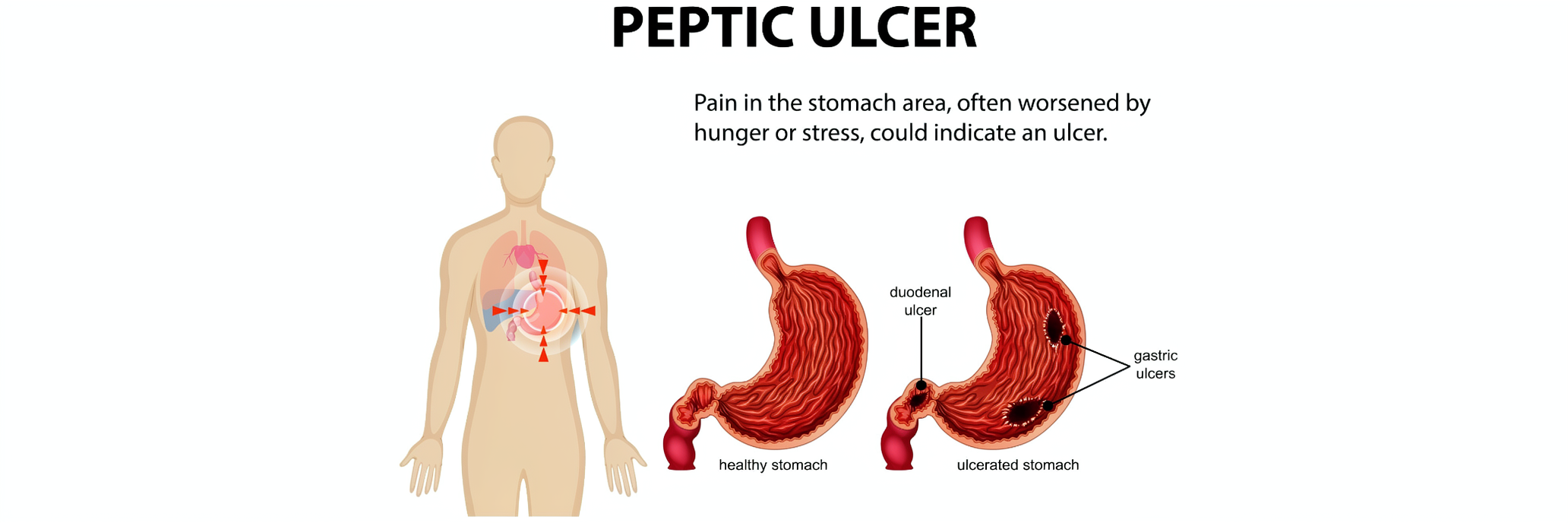
A peptic ulcer is an open sore that forms in the lining of your digestive tract. It develops when stomach acid wears down the protective layer that shields your tissue. Doctors treat these ulcers with medicines that help the sore heal while addressing the underlying cause.
Here is what makes an ulcer different from ordinary stomach upset:
- It is a real sore – Not just irritation, but an open wound in your digestive lining.
- It lingers – Ulcer pain tends to return again and again rather than passing quickly.
- It has a cause – Ulcers stem from specific triggers, not simply from spicy food.
An ulcer is not something to wait out. With proper care, it can heal fully.
Stomach vs. Duodenal Ulcers: What’s the Difference?
The term “peptic ulcer” actually covers two locations. Knowing which one you have shapes how your doctor treats it. The difference comes down to where the sore forms.
Both types share similar causes and treatments, yet they behave a little differently.
- Stomach (gastric) ulcer – Forms in the lining of your stomach. Pain often worsens shortly after eating.
- Duodenal ulcer – Forms in the upper part of your small intestine. Pain frequently eases with food, then returns hours later or overnight.
The key takeaway is simple. The timing of your pain around meals offers an early clue to which ulcer you may have. Your doctor confirms the location and builds care around it.
What Causes Peptic Ulcers?
For years, people blamed ulcers on stress and spicy meals. That myth still lingers today. The truth is far more specific, and it points the way toward real relief.
Most ulcers trace back to two main causes. Doctors look for and treat the underlying cause to help the ulcer heal.
H. pylori Infection
A bacterium called Helicobacter pylori, or H. pylori, is a leading cause of peptic ulcers. It damages the protective lining of your stomach and small intestine, allowing acid to create a sore. Many people carry this infection without knowing it.
NSAID Use
Regular use of nonsteroidal anti-inflammatory drugs, such as aspirin and ibuprofen, is another common cause. These medicines can wear down your digestive lining over time, especially with long-term use.
Knowing your cause changes everything. Once your doctor identifies the trigger, targeted treatment can begin.
Symptoms to Watch For
Ulcer pain has a pattern worth recognizing. You may notice it comes and goes in ways that feel tied to eating or to time of day. Spotting these signs early helps you act sooner.
Pay attention if you experience:
- Burning stomach pain – The most common symptom, often between meals or at night.
- Bloating or fullness – A heavy, uncomfortable feeling in your upper belly.
- Nausea – Queasiness that may come with or without eating.
- Loss of appetite – Avoiding food because it triggers or worsens pain.
Some symptoms signal an emergency. Seek care right away if you notice black or bloody stools, vomit that looks like coffee grounds, or sudden, severe stomach pain. These can point to bleeding that needs urgent attention.
Peptic Ulcer Treatment Options
A diagnosis can stir up worry about what comes next. The reassuring truth is that most ulcers heal well with the right plan. Treatment focuses on clearing the cause and calming the acid.
Antibiotics for H. pylori
When H. pylori is the culprit, antibiotics are essential. Doctors prescribe antibiotics to kill the bacteria, often alongside acid-reducing medicine.
Proton Pump Inhibitors and Acid Blockers
Medicines that lower stomach acid give your ulcer a chance to heal. Most peptic ulcers heal with medication that reduces acid and protects the lining.
- Proton pump inhibitors (PPIs) – Strongly reduce acid production to promote healing.
- H-2 blockers – Also called acid blockers, these ease ulcer pain by lowering acid.
- Protective agents – Coat and shield the sore while your tissue repairs itself.
Lifestyle Changes for Stomach Pain Relief
Daily habits support your recovery and lower your risk of another ulcer. Simple adjustments make a real difference.
- Limit NSAIDs – Talk to your doctor about safer pain relief options.
- Cut back on alcohol – Reducing intake protects your digestive lining.
- Avoid smoking – Quitting helps ulcers heal faster.
- Manage trigger foods – Notice which foods worsen your discomfort and adjust.
You have real, effective options. With steady treatment, lasting relief is within reach.
When to See a Specialist
Sometimes home remedies and over-the-counter antacids are not enough. Persistent pain deserves a closer look. Knowing when to reach out protects you from bigger problems.
See a specialist if your pain lasts more than a few days, keeps returning, or comes with warning signs like bleeding or unexplained weight loss. A skilled gastroenterologist near me can order tests, confirm your diagnosis, and tailor a plan to your needs. If you have been looking for a dependable gut clinic near me, choosing a team you trust makes all the difference.
You do not have to endure the burn indefinitely. Help is closer than you think.
Take the Next Step Toward Lasting Relief
Living with ulcer pain is exhausting, but understanding it makes the path forward clear. You now know what peptic ulcers are, how stomach and duodenal ulcers differ, what causes them, the symptoms to watch for, and the treatment options that bring real stomach pain relief. Each of these facts gives you more power over your health and your comfort. The right care team turns worry into a plan you can trust. If you have been searching for trusted gastroenterology in NY or a caring gastroenterologist near me, compassionate help is closer than you think. Our experienced Brooklyn gastrology team is ready to guide you through testing, treatment, and recovery with patience and genuine care.
To begin your care with people who put your health first, contact Doral Health & Wellness today at 1-718-365-2555 or visit us at1797 Pitkin Avenue, Brooklyn, New York 11212. For general information about Doral Health & Wellness services, you can contact or email info@doralhw.org.