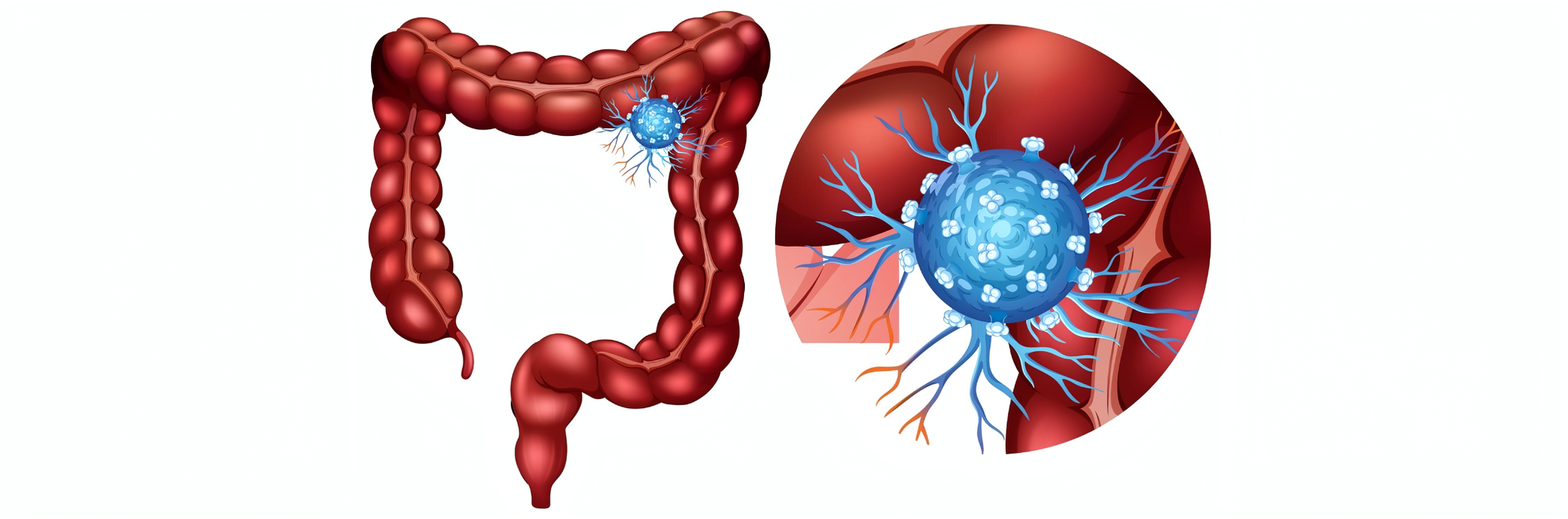
A small change in your bathroom habits is easy to dismiss. You tell yourself it was something you ate, a stressful week, or simply getting older. But when those changes stick around, your body may be trying to tell you something. Knowing the colorectal cancer symptoms and following simple early detection tips can protect your life long before a problem grows serious. Colorectal cancer often starts quietly, with signs that seem minor at first. The reassuring truth is that when caught early, it is one of the most treatable cancers there is. This guide walks you through the warning signs, how to tell them apart from ordinary digestive troubles, and the steps that keep you one move ahead.
If you have been searching for a gut clinic near me or trusted gastroenterology in NY, you do not have to face this worry alone. Doral Health & Wellness Gastroenterology offers compassionate Brooklyn gastrology care delivered with patience and respect. Our team explains your symptoms in plain language, answers your questions, and guides you toward the right screening for your needs. Reach out today to start your care with people who truly listen.
The Colorectal Cancer Symptoms You Should Never Ignore
Fear often keeps people from looking closely at their own health. You may notice a change and quietly hope it fades on its own. Naming the warning signs takes away that uncertainty and puts you back in control.
Colorectal cancer can develop for a long time before it makes itself known. The most common symptoms include changes in your bowel habits and blood in your stool. Watching for these signs is your first line of defense.
Pay attention if you notice:
- A change in bowel habits – Diarrhea, constipation, or a feeling that your bowel does not empty completely, especially if it lasts more than a few days.
- Blood in or on your stool – Bright red blood or very dark, tar-like stool.
- Narrow or skinny stool – A noticeable change in the shape of your bowel movements.
- Ongoing belly discomfort – Cramps, gas, or pain that keeps returning.
- Unexplained weight loss – Dropping pounds without changing your diet or activity.
- Constant fatigue – Tiredness that rest does not fix, which can signal slow blood loss.
One symptom does not mean you have cancer. But several signs together, or any that linger, deserve a closer look. Listening to your body is never an overreaction.
Colorectal Cancer Symptoms vs. Routine Digestive Issues
Most of these symptoms overlap with everyday stomach troubles. That overlap is exactly what makes them so easy to brush aside. Learning to tell them apart helps you know when to act.
Occasional bloating after a heavy meal or a day of constipation is common. Your body usually bounces back within a day or two. The difference with colorectal cancer symptoms is that they tend to stick around, worsen, or come with red flags like bleeding.
Here is how to weigh what you feel:
- Duration – A routine issue passes in a day or two, while a warning sign lingers for weeks.
- Pattern – Ordinary upset comes and goes with what you eat, while concerning symptoms persist regardless.
- Blood – A little irritation may cause temporary discomfort, but blood in your stool always warrants a check.
- Overall change – Fatigue, weight loss, or a lasting shift in bowel habits points beyond a simple stomachache.
The key takeaway is simple. Timing and persistence separate a passing problem from one worth investigating. When in doubt, a gastroenterologist near me can give you a clear answer rather than leaving you to guess.
Early Detection Tips That Can Save Your Life
The word “cancer” carries real fear, and that fear can make people avoid screening altogether. That reaction is understandable. Yet screening is exactly what turns a frightening diagnosis into a manageable one.
Colorectal cancer often begins as a small growth called a polyp. Regular screening can find and remove these polyps before they ever turn into cancer. That is the true power of early detection.
When to Start Screening
Most adults benefit from beginning regular screening at age 45. Screening can catch cancer early, when treatment works best. Talk with your provider sooner if you have a family history or ongoing symptoms.
Simple Steps to Protect Yourself
Early detection is not only about tests. Daily choices matter, too. Keep these tips in mind:
- Know your family history – A relative with colorectal cancer raises your risk and may mean earlier screening.
- Do not delay screening – A colonoscopy or at-home stool test is quick compared to what it prevents.
- Track your symptoms – Note any changes and share them at your next visit.
- Eat with your gut in mind – Fiber-rich foods, less processed meat, and steady activity support colon health.
You hold real power over your outcome. A single screening can rewrite your future.
When to See a Specialist
Waiting for symptoms to disappear on their own is a natural instinct. But some signs call for a professional eye. Knowing when to reach out protects you from letting a small problem grow.
See a specialist if you notice blood in your stool, a lasting change in bowel habits, or unexplained weight loss. A skilled team offering gastroenterology in NY can evaluate your symptoms, arrange screening, and explain each step with care. If you have been looking for a dependable gut clinic near me, choosing a team you trust makes the whole process easier.
You do not have to carry these questions alone. Answers, and reassurance, are closer than you think.
Take the Next Step Toward Peace of Mind
Facing the possibility of colorectal cancer is never easy, but knowledge changes everything. You now know the colorectal cancer symptoms worth watching, how they differ from routine digestive troubles, and the early detection tips that keep you protected. Each of these facts gives you real power over your health and your future. The right care team turns worry into a plan you can trust. If you have been searching for trusted Brooklyn gastrology or a caring gastroenterologist near me, compassionate help is closer than you think. Our experienced team is ready to guide you through screening, testing, and care with patience and genuine understanding every step of the way.
To begin your care with people who put your health first, contact Doral Health & Wellness today at 1-718-365-2555 or visit us at1797 Pitkin Avenue, Brooklyn, New York 11212. For general information about Doral Health & Wellness services, you can contact or email info@doralhw.org.