Renovascular conditions affect the blood vessels supplying the kidneys, disrupting blood flow and kidney function. The most common types of renovascular conditions include renal artery stenosis, fibromuscular dysplasia, renal artery thrombosis, renal vein thrombosis, renal artery aneurysm, and atheroembolic renal disease. Each type has distinct causes, symptoms, and treatment pathways.
Your kidneys depend on a steady, uninterrupted flow of blood to do their job. When something interferes with that flow — a narrowed artery, a clot, a weakened vessel wall — the consequences can reach far beyond the kidneys themselves. High blood pressure becomes difficult to control. Kidney function quietly declines. And without the right care, the damage compounds over time.
Understanding the common types of renovascular conditions is the first step. Whether you are managing a recent diagnosis or trying to make sense of a loved one’s symptoms, knowing what each condition involves helps you ask better questions and make more confident decisions alongside your care team.
What Are the Most Common Types of Renovascular Conditions?
Renovascular conditions are disorders that affect the blood vessels leading to and from the kidneys. These conditions may cause kidney damage, kidney failure, and high blood pressure. They range in severity — some develop gradually and go undetected for years, while others produce sudden, serious symptoms that require urgent attention.
Renal Artery Stenosis
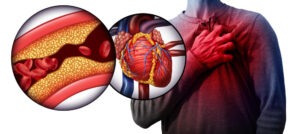
Renal artery stenosis (RAS) is a narrowing or partial blockage of one or both arteries supplying the kidneys. It is the most common renovascular condition, with atherosclerosis — the buildup of fatty plaque inside artery walls — as the leading cause. RAS is most common in men between the ages of 50 and 70, though women and younger adults are not immune. Risk factors include smoking, high cholesterol, diabetes, and a family history of heart disease.
The connection to blood pressure is direct. When blood flow to the kidneys drops, the kidneys respond by releasing a hormone called renin, which raises blood pressure. High blood pressure then further damages the arteries — a cycle that can be difficult to break without targeted treatment.
Fibromuscular Dysplasia
Fibromuscular dysplasia (FMD) is a non-inflammatory disease of the arterial wall that causes abnormal cell growth and, in some cases, narrowing of the renal arteries. According to the National Institutes of Health, FMD accounts for 10 to 20 percent of renal artery stenosis cases. It predominantly affects younger women and is often discovered incidentally during testing for unexplained high blood pressure.
Unlike atherosclerosis, FMD is not driven by cholesterol or plaque. Angioplasty alone — without a stent — often produces strong outcomes for patients with FMD-related stenosis.
Renal Artery Thrombosis
Renal artery thrombosis occurs when a blood clot forms in an artery supplying the kidney. The clot obstructs blood flow and can cause sudden, severe flank pain, blood in the urine, fever, and a rapid decline in kidney function. A gradual or incomplete clot may produce no symptoms at all, making it easy to miss without imaging.
Renal Vein Thrombosis
Unlike arterial thrombosis, renal vein thrombosis involves a clot forming in the vein that drains blood away from the kidney. A slow-developing clot may cause no noticeable symptoms. A sudden-onset clot can produce sharp, persistent flank pain and decreased kidney function. Treatment typically involves anticoagulant medication to prevent the clot from growing.
Renal Artery Aneurysm
A renal artery aneurysm is a bulging, weakened section of an arterial wall. Most are small and produce no symptoms, often discovered incidentally during imaging for another condition. Larger aneurysms, or those in women of childbearing age, carry a higher risk of rupture and are generally treated surgically.
Atheroembolic Renal Disease
This condition develops when fragments of plaque break away from a larger artery and travel through the bloodstream, lodging in the smaller arteries of the kidney. This disease is becoming an increasingly common cause of kidney problems in older adults. Symptoms can vary widely, from skin changes and abdominal discomfort to kidney failure.
When to Speak With a Vascular Specialist
Blood pressure that does not respond to three or more medications, unexplained kidney function decline, or sudden flank pain — these are signs worth taking seriously. A vascular specialist can evaluate whether a renovascular condition may be contributing and recommend the appropriate imaging or treatment.
You do not have to wait until a condition becomes urgent. If any of these conditions sound familiar, reaching out early gives you more options and more time to protect your kidney health.
Our Vascular Health team is here to help you take that step. Whether you are looking for a vascular clinic in Brooklyn or seeking a second opinion on a current diagnosis, our team connects patients and families with the specialized care they need — close to home, and with the support they deserve. Reach out today by calling 1-347-384-5690 or visiting us at 1797 Pitkin Avenue, Brooklyn, New York 11212 to speak with a qualified vascular specialist.