That first step out of bed sends a sharp sting through your heel. You wince, and for a moment, the whole day feels harder. If this sounds familiar, you are not alone, and your shoes may be part of the problem.
Plantar fasciitis is one of the most common causes of heel pain, affecting more than 2 million people in the U.S. each year. It happens when the thick band of tissue along the bottom of your foot becomes inflamed. The good news is that the right footwear is a simple, powerful part of managing plantar fasciitis and heel pain. Let’s walk through what to look for so you can move through your day with more comfort and less worry.
Why Shoes Matter for Plantar Fasciitis and Heel Pain
Your feet carry you everywhere. When your shoes lack support, every step adds stress to an already irritated plantar fascia.
Flat, flexible shoes like flip-flops offer little help. They let your arch collapse and your heel absorb too much shock. Over time, that pressure keeps the tissue inflamed and slows healing.
Supportive shoes do the opposite. They cushion each step, steady your arch, and give your foot the structure it needs to recover. If you want to understand the condition more deeply, our guide to plantar fasciitis care options breaks it down clearly.
What to Look for in Shoes for Plantar Fasciitis
Choosing the right pair does not have to feel overwhelming. Focus on a few key features, and you can shop with confidence.
Key Features That Support Recovery
- Firm arch support: A well-built arch keeps your foot aligned and takes strain off the plantar fascia.
- Cushioned heel: Extra padding at the heel softens impact and eases that morning sting.
- Sturdy sole: A supportive sole should bend at the toe, not fold in half. This protects your arch through every stride.
- Deep heel cup: A snug heel cup holds your foot steady and reduces rolling.
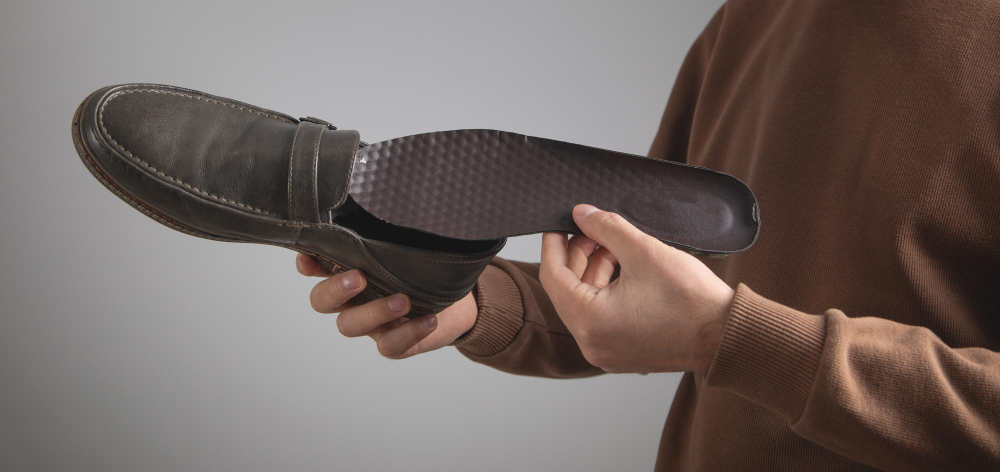
- Room for orthotics: Removable insoles let you add custom inserts if a foot doctor recommends them.
Replace worn sneakers every six to nine months, or sooner if the cushioning feels flat. Old shoes lose their support long before they look worn out.
Shoes to Avoid
Not every comfortable-looking shoe is helpful. Steer clear of thin flats, unsupportive sandals, and walking barefoot on hard floors. These habits keep the pressure on your heel and can undo your progress.
When to See a Podiatrist for Plantar Fasciitis Treatment
Sometimes shoes alone are not enough. If your heel pain lasts longer than a week or does not improve after two weeks of home care, it is time to get help.
A podiatrist can examine your foot, confirm the diagnosis, and shape a plan around your needs. Effective plantar fasciitis treatment may include custom orthotics, stretching routines, or other therapies matched to your daily life. For gentle relief you can start today, our heel pain relief services offer practical guidance.
You do not have to guess your way through this. A trusted foot doctor can help you heal faster and prevent the pain from returning.
Take the Next Step Toward Pain-Free Days
Heel pain should not decide how you live your day. With the right shoes and expert care, relief is within reach.
Our compassionate Podiatry team is ready to build a personalized plan for your feet. Reach out today by calling +1 718 367 2555 or visit us at 1797 Pitkin Avenue, New York, NY 11212 to book a Podiatry appointment and take a confident step toward lasting comfort.