Standing still for long periods may seem harmless. For people managing hypertension habits, it carries real cardiovascular risk — and most people never think to mention it to their cardiologist.
Static standing, the kind that happens during long shifts, prolonged commutes, or hours at a kitchen counter, raises blood pressure in ways that differ from the effects of exercise or walking. Understanding why this happens, and what to do about it, can make a meaningful difference in how you manage your health day to day.
What Is Static Standing and Why Does It Raise Blood Pressure?
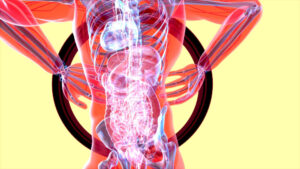
When you stand without moving, your leg muscles are largely inactive. Blood begins to pool in the veins of your lower limbs rather than circulating efficiently back to the heart. To compensate, your heart works harder, pumping with greater force to maintain adequate blood flow throughout the body.
This compensatory effort raises blood pressure — not dramatically in a single moment, but steadily over time. A study published in the American Journal of Epidemiology found that workers who primarily stood for their jobs had nearly twice the risk of heart disease compared to those who sat, largely due to elevated cardiovascular strain. The connection between static standing and blood pressure is not always obvious, but it is well-supported by evidence.
How Static Standing Differs From Healthy Physical Activity
Walking, cycling, and other forms of dynamic movement actively engage the muscles of the legs and core. That muscular activity compresses the veins, pushing blood upward and supporting the heart’s work. Blood pressure during exercise rises temporarily but improves cardiovascular efficiency over time.
Static standing does the opposite. Without muscle contraction to assist circulation, the heart bears the full burden of moving blood against gravity. Over hours of standing still, this sustained effort translates into consistently elevated blood pressure — one of the more overlooked hypertension habits in daily life.
Who Is Most at Risk?
Some people are more vulnerable to the blood pressure effects of prolonged standing than others.
- Those already managing hypertension or cardiovascular conditions face compounded risk when static standing is part of their daily routine.
- People who stand for extended periods as part of their work — retail, food service, healthcare — may not connect their occupation to their blood pressure readings.
- Older adults, whose venous circulation tends to be less efficient, may experience more pronounced blood pooling and cardiovascular strain.
If you fall into any of these groups, this is worth raising with a cardiologist at your next visit.
Practical Hypertension Habits That Reduce the Risk
You do not have to restructure your entire day to manage this. Small, consistent changes make a real difference.
- Move regularly. Even brief walks every 30 minutes help activate the leg muscles and support blood return to the heart.
- Shift your weight. Alternating between feet, bending your knees slightly, or doing heel raises while standing keeps circulation moving.
- Use anti-fatigue matting. These surfaces subtly encourage micro-movements, reducing the static load on your legs and cardiovascular system.
- Wear compression socks. Graduated compression helps counteract blood pooling in the lower limbs, particularly during long periods of standing.
- Stay well hydrated. Adequate fluid intake supports blood volume and helps maintain steady pressure regulation.
These hypertension habits are straightforward to build into a routine — and over time, they add up.
When to Speak With a Cardiologist
If you have been managing high blood pressure and find that readings remain elevated despite medication or lifestyle changes, your daily movement patterns may be part of the picture. A cardiologist can assess whether static standing is contributing to your readings and recommend targeted adjustments.
Our cardiology team specializes in understanding the full context of your cardiovascular health — not just the numbers, but the habits and environments that shape them. If prolonged standing is part of your daily life, that detail matters. Reach out to our team today by calling + 1-718-367-2555 or visiting us at 1797 Pitkin Avenue, Brooklyn, NY 11212 to schedule an evaluation and take a more complete look at what your blood pressure is telling you.