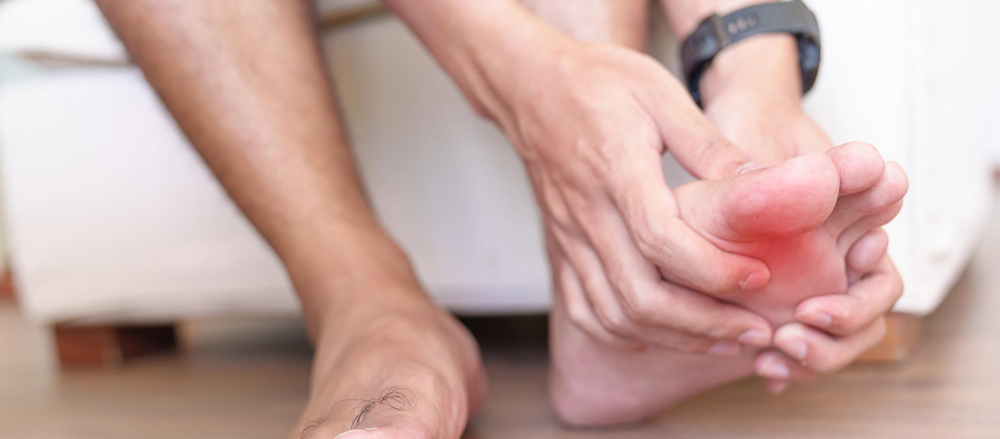
A rough patch of skin on your heel feels like nothing. So you reach for a razor blade to shave it off. Before you make that cut, please pause.
A callus is one of the most common foot problems people try to fix themselves, and it often ends in pain, bleeding, or infection. Corns and calluses form when your skin protects itself from friction, and they build up slowly over time. They are usually harmless. But the tools people use to remove them at home are not.
This guide walks you through what these thickened areas really are, why blade removal is risky, and how to care for your feet the safe way. By the end, you will know exactly when to handle things at home and when to call a professional.
What Corns and Calluses Actually Are
Your skin is smarter than you think. When it faces repeated pressure or rubbing, it thickens to shield the tissue underneath. That thickening becomes a corn or a callus.
For anyone managing foot care at home—especially for an aging parent—understanding these differences matters. You can explore related home health care services if daily foot monitoring feels overwhelming.
- Corns: Small, round, and often tender. They tend to form on or between the toes where shoes press hardest.
- Calluses: Larger, flatter patches. They usually sit on the soles, heels, or the balls of the feet.
Neither is dangerous on its own. The trouble starts with how they are treated.
Why DIY Blade Removal Is So Dangerous
You want relief, and cutting the skin feels like the fastest path there. It is also the riskiest.
Trimming a callus with a blade at home can slice into healthy tissue in seconds. You should never try this yourself because it can lead to infection.
Here is what can go wrong:
- Open wounds: A single wrong cut breaks the skin barrier and invites bacteria.
- Serious infection: An open sore on the foot can turn into a deep infection quickly.
- Higher risk with diabetes: If you or your loved one has diabetes or poor circulation, a small cut can become a major complication.
If you live with a chronic condition, never take a blade to your feet. Reach out for guidance instead—support is available, and it protects you from harm.
Safer Home Remedies That Actually Work
Good news: you can soften and reduce a callus at home without a single sharp tool. The approach is gentle, and it works over time.
A Simple, Safe Routine
- Warm soak: Soak your feet in warm, soapy water for 10 to 15 minutes to soften the skin.
- Pumice stone: Gently rub the softened area with a pumice stone or foot file. Skip the pumice stone if you have diabetes.
- Moisturize daily: Apply foot cream regularly to keep skin supple and prevent buildup.
The NHS guidance confirms most calluses respond well to these steps. Be patient—slow and steady keeps your feet safe.
When to See a Podiatrist or Foot Doctor
Sometimes home care is not enough, and that is okay. Knowing when to ask for help is a sign of good care, not failure.
Call a podiatrist if:
- The area turns red, swollen, or painful, or you notice pus.
- You have diabetes, poor circulation, or a weakened immune system.
- The callus keeps coming back despite your best efforts.
A podiatrist can safely trim thickened skin, apply protective padding, and recommend custom insoles. For ongoing concerns, our foot pain treatment options connect you with the right care.
Take the Safe Next Step
Your feet carry you through every day. They deserve expert, compassionate care—not a risky shortcut with a blade.
If a callus is causing pain, or you are caring for a loved one with diabetes, do not wait for a small problem to grow. Our Podiatry care team offers flexible, in-home visits and personalized support, so help comes to you.
Reach out today by calling +1 718 367 2555 or visit us at 1797 Pitkin Avenue, New York, NY 11212 to schedule a Podiatry appointment and give your feet the care they deserve.