You notice new lines forming on your legs. Maybe there is swelling, a heavy ache, or a bluish web spreading across your calf. It is easy to worry, and hard to know what it means.
Not all leg vein changes carry the same risk. Some are cosmetic. Others signal a serious medical emergency. Understanding the difference between spider veins and deep vein thrombosis (DVT) helps you and your loved one act with confidence. In many cases, a simple vascular ultrasound gives you a clear answer. Here is what each condition looks like, why it matters, and when to reach out for help.
What Are Spider Veins?
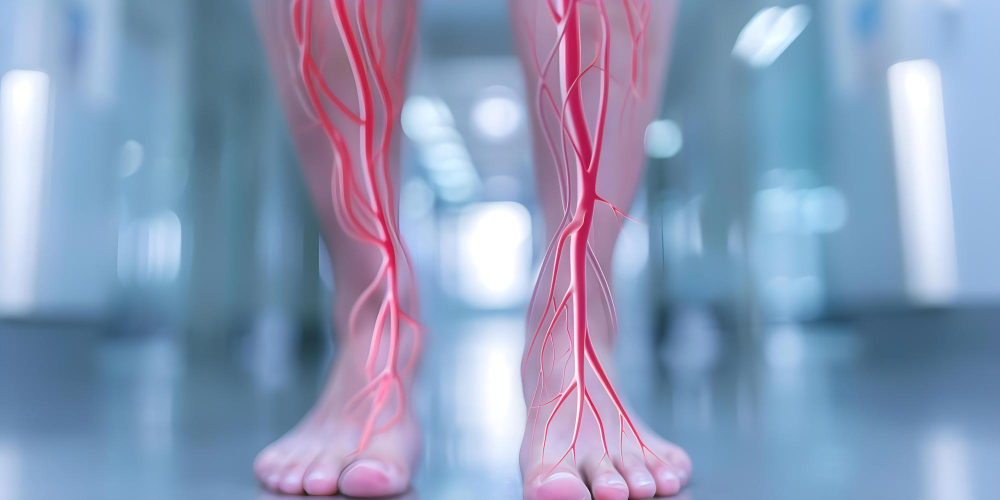
Spider veins are small, thin blood vessels visible just under the skin. They often look like red, blue, or purple webs on the thighs, calves, or ankles.
For most people, they are harmless. They may cause mild aching or self-consciousness, but they rarely lead to danger.
Common causes include:
- Aging and genetics: Vein walls weaken over time, and family history plays a role.
- Prolonged standing or sitting: Long hours on your feet increase pressure in the legs.
- Hormonal changes: Pregnancy and hormone shifts can make veins more visible.
If they bother you, safe options exist. Spider vein removal treatment, such as sclerotherapy or laser therapy, can fade them with little downtime. A qualified varicose veins surgeon can help you decide what fits your needs.
What Is Deep Vein Thrombosis (DVT)?
Deep vein thrombosis is very different, and far more urgent. DVT is a blood clot that forms in a deep vein, usually in the leg.
Unlike spider veins, DVT can be life-threatening. A clot may break loose and travel to the lungs, causing a pulmonary embolism.
Watch for these warning signs:
- Sudden swelling in one leg, often the calf.
- Warmth and redness over the affected area.
- Pain or cramping that feels deeper than surface soreness.
DVT often follows surgery, long bed rest, or extended travel. If you or a loved one recovering at home shows these signs, seek care right away. Our guide on recognizing blood clot symptoms can help you respond quickly.
Spider Veins vs. DVT: A Quick Comparison
The chart below breaks down the key differences at a glance.
Feature | Spider Veins | Deep Vein Thrombosis (DVT) |
Location | Surface of the skin | Deep inside the leg |
Appearance | Red or blue web pattern | Swelling, redness, warmth |
Pain level | Mild or none | Moderate to severe |
Risk | Cosmetic, low risk | Serious, needs urgent care |
Diagnosis | Visual exam | Vascular ultrasound |
How a Vascular Ultrasound Confirms the Diagnosis
Guessing is stressful. Getting answers should not be.
A vascular ultrasound is a painless, non-invasive scan that shows how blood flows through your veins. It uses sound waves to detect clots and measure circulation.
For DVT, this test is the gold standard. It confirms whether a clot is present so treatment can begin without delay. For visible veins, an evaluation with a varicose veins surgeon helps rule out deeper problems before you choose spider vein removal treatment.
You do not have to interpret your symptoms alone. A trained provider can perform the scan and explain your results in plain terms.
Protect Your Vascular Health Today
Leg vein changes deserve attention, not fear. Knowing the difference between spider veins and DVT empowers you to act at the right moment.
If you or a loved one notices sudden swelling, pain, or persistent veins, help is close. Our compassionate team offers in-home evaluations, vascular ultrasound coordination, and personalized care plans that fit your schedule.
Reach out today by calling 1-347-384-5690 or visiting us at 1797 Pitkin Avenue, Brooklyn, New York 11212 to schedule a Vascular Health consultation with our Vascular Surgery Doctor and gain the peace of mind you deserve.