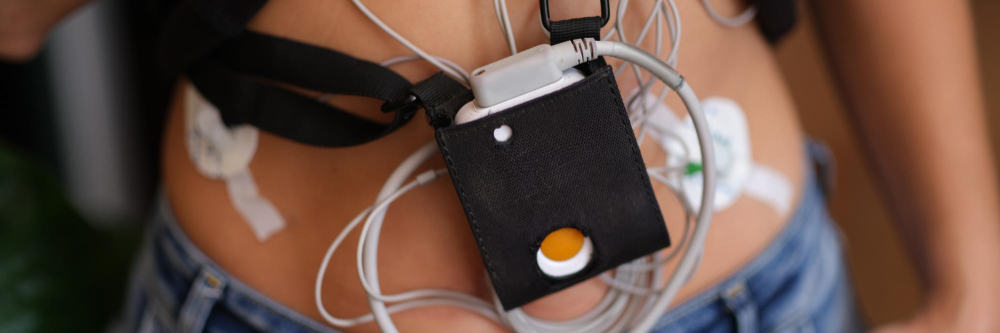
Wearing a Holter monitor changes your daily rhythm — and nighttime is often where that disruption hits hardest. If your cardiologist has prescribed one, you already know it is an important step in understanding your heart’s activity over 24 to 48 hours. What you may not know is how to sleep comfortably with the leads attached. This guide walks you through a practical Holter monitor routine that protects your test results and helps you rest.
Why Sleep Matters During Holter Monitor Wear
Your cardiologist needs clean, accurate data — and sleep is when some of the most meaningful cardiac patterns emerge. Irregular rhythms, nocturnal arrhythmias, and sleep-related changes in heart rate can all surface during the night. Disrupting the recording by pulling leads or shifting positions excessively can compromise the results your care team depends on.
Rest is not optional. It is part of the test.
Practical Tips for Sleeping with a Holter Monitor
Prepare Your Sleep Setup Before Bed
A little preparation goes a long way. Before lying down, check that all electrode patches are firmly adhered to your skin. Loose leads are the most common source of recording errors. Pat each one gently to confirm contact.
Wear a snug, soft undershirt or camisole over the monitor. This keeps the device and lead wires from shifting as you move and reduces skin irritation caused by friction.
Choose Your Sleep Position Carefully
Sleeping on your back is the most monitor-friendly position. It distributes pressure evenly and keeps lead wires from bunching beneath you. If back sleeping is not comfortable for you, lying on your right side is a reasonable alternative; it places less direct pressure on the leads connected across the chest.
Avoid sleeping on your stomach. This position compresses the monitor, risks dislodging electrodes, and can interfere with signal quality.
Manage the Lead Wires to Avoid Tangling
Loose lead wires that tangle during the night are a genuine frustration. Use medical tape or a small clip to gather the wires loosely and route them toward one side of your body before sleep. Many patients find tucking the monitor into a small pouch or pocket on a sleep shirt keeps things orderly without restricting movement.
Your Holter monitor routine should feel manageable, and it’s not like a puzzle you solve at midnight.
Keep Your Sleep Environment Consistent
Sweat and moisture can loosen electrode patches overnight. Keep your bedroom cool and well-ventilated to reduce perspiration. Avoid electric blankets or heating pads near the monitor site.
If a patch does begin to peel, do not attempt to remove or reattach it without guidance. Contact your cardiology clinic in Brooklyn or the monitoring service for instructions; they will advise you on whether the recording can continue or needs to be addressed.
Note Any Symptoms as They Happen
Most Holter monitors include an event button for logging symptoms. If you wake during the night with palpitations, chest discomfort, or dizziness, press the button and note the time in your symptom diary. This paired data — your lived experience alongside the electrical recording — gives your cardiologist a fuller picture.
Do not wait until morning to log nighttime symptoms. Real-time documentation is far more useful.
What to Avoid During Your Holter Monitor Routine
Several common habits can interfere with the recording or damage the device:
- Water exposure: Do not shower, bathe, or swim while wearing the monitor. Sponge bathe instead, keeping the device and electrodes dry.
- Electrical interference: Stay away from electric blankets, magnets, and metal detectors where possible.
- Strenuous activity at night: While moderate movement is fine, vigorous activity just before bed can affect lead adhesion and elevate your baseline heart rate in ways that may skew results.
- Skin products near electrodes: Avoid applying lotions, oils, or powders near the electrode sites — these reduce adhesion.
Take the Next Step with Our Department
A Holter monitor is a window into your heart’s behavior — and getting accurate results starts with wearing it correctly. If you have questions about your Holter monitor routine, notice a detached lead, or want to understand what your results might mean, our Department is here to help.
Our cardiology team works with patients at every stage of cardiac monitoring and follow-up care. Reach out to us today by calling +1-718-367-2555 or visiting us at 1797 Pitkin Avenue, Brooklyn, NY 11212 to speak with a cardiologist who can guide you through the process with the clarity and support you deserve.