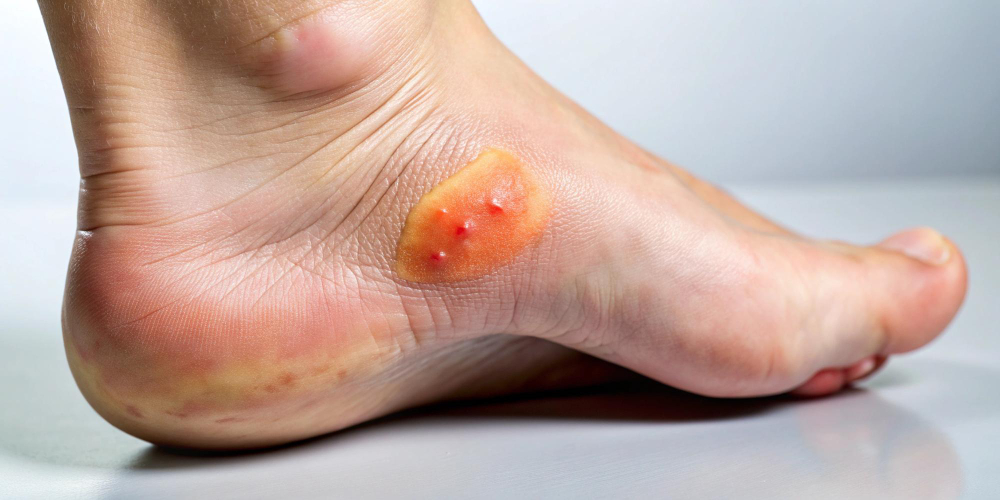
Thick, hardened skin on your feet can make every step uncomfortable. You have likely tried filing, soaking, and creams, only to watch the same callus come back within weeks. That cycle is frustrating, and you are not alone in it.
A callus forms when your skin protects itself against repeated pressure or friction. It is your body’s defense, but it can turn painful when left untreated. The good news is that lasting relief is possible. With the right foot and ankle care and proper podiatry treatment options, you can address the root cause instead of only the symptom. This guide walks you through what works, what does not, and when to bring in a professional foot doctor for help.
Why Calluses Keep Coming Back
Home remedies often treat the surface while ignoring the cause. That is why calluses return again and again.
The pressure that creates a callus rarely disappears on its own. Poorly fitting shoes, foot structure, and the way you walk all play a role. Until you correct these underlying issues, the hardened skin will keep forming.
Common triggers include:
- Ill-fitting footwear: Shoes that rub or crowd your toes create constant friction.
- Foot structure: Bunions, hammertoes, or flat feet shift pressure to certain spots.
- High activity levels: Running, standing, or repeated impact adds stress to the skin.
- Dry skin: Cracked, dehydrated skin hardens faster and heals slower.
By identifying your trigger, you can finally break the cycle. For lasting results, many people benefit from a personalized care plan through professional podiatry services.
Safe At-Home Foot and Ankle Care
Gentle daily habits can soften existing calluses and slow new ones from forming. These steps support healthy skin between professional visits.
Try these simple routines:
- Soak and file: Soften feet in warm water, then use a pumice stone with light pressure.
- Moisturize daily: Apply a thick foot cream to keep skin supple.
- Rotate your shoes: Give pressure points a rest by changing footwear often.
- Use cushioned inserts: Padding redistributes pressure away from problem areas.
Never cut a callus with scissors or a razor at home. This can cause infection, especially if you have diabetes or reduced circulation. For related guidance, our article on diabetic foot care tips explains why safe skin care matters so much.
Treatment Options for Permanent Relief
Sometimes home care is not enough. When a callus becomes painful, thick, or keeps returning, it is time to see a specialist.
A podiatrist can safely remove built-up skin and treat the cause behind it. This is where true, lasting foot and ankle care begins.
What a Foot Doctor Can Do
- Professional debridement: A foot doctor carefully trims the callus in a sterile setting.
- Custom orthotics: Prescription inserts correct pressure imbalances that cause calluses.
- Footwear guidance: A podiatrist recommends shoes that fit your feet and lifestyle.
- Underlying condition treatment: Correcting bunions or gait issues stops recurrence at the source.
For patients who cannot easily travel, in-home visits bring these podiatry treatment options directly to you. Expert, compassionate care fits into your schedule and your comfort.
Take the First Step Toward Lasting Comfort
Painful calluses do not have to be a permanent part of your life. With the right support, you can walk comfortably again.
Our Podiatry care team delivers personalized foot and ankle care right in your home. Reach out today by calling +1 718 367 2555 or visit us at 1797 Pitkin Avenue, New York, NY 11212 to schedule a Podiatry visit and get relief that lasts.