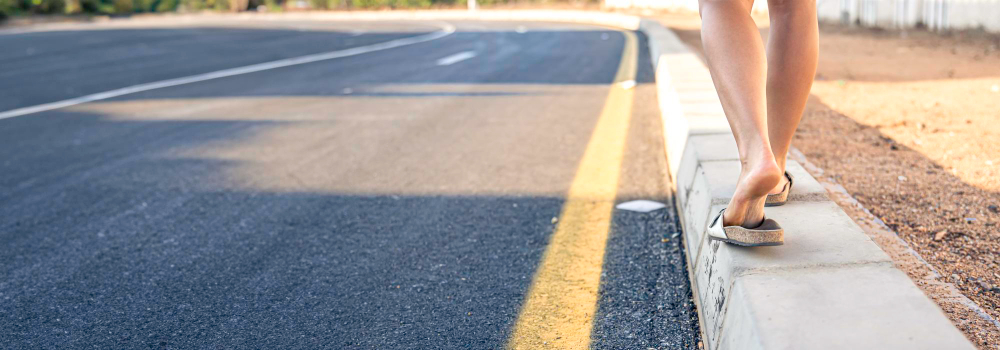
That first step out of bed feels like stepping on a nail. Your heel throbs. You limp to the coffee maker, hoping it eases up. If this sounds familiar, you are not imagining things, and you are not alone.
Plantar fasciitis is one of the most common foot complaints among city walkers, and Brooklyn’s hard concrete streets make it worse. The endless blocks of unforgiving pavement put steady stress on the thick band of tissue running along the bottom of your foot. Over time, that stress adds up, causing tiny tears and lasting pain.
The good news? You can take real steps this week to feel better. Here is what is happening, why it matters, and how to fix it.
Why City Sidewalks Trigger Plantar Fasciitis
Brooklyn is a walking borough. You cover miles a day without thinking about it. But every step on concrete sends a shock straight into your heel.
Soft ground, like grass or a track, absorbs some of that impact. Sidewalks do not. Your foot takes the full force, hour after hour, day after day.
The everyday habits that make it worse
Small choices can add up to big pain. Watch for these common triggers:
- Worn-out shoes: Old sneakers lose their cushioning and arch support, leaving your feet unprotected.
- Long standing shifts: Teachers, nurses, and retail workers spend hours on hard floors with little relief.
- Sudden activity spikes: A new running routine or a busy weekend of errands can overload tissue that is not ready.
- Tight calves: When your calf muscles are stiff, they pull on your heel and strain the fascia.
By spotting these patterns, you can start protecting your feet before the pain sets in. If your symptoms have lingered for weeks, reviewing your plantar fasciitis treatment options is a smart next step.
How to Ease the Pain This Week
You do not have to wait months to feel relief. A few simple changes can calm the inflammation and get you moving again.
Start with these at-home steps
Try these methods for the next seven days and track how your heel responds:
- Stretch every morning. Gently flex your foot and stretch your calf before your first steps.
- Ice the sore spot. Roll your foot over a frozen water bottle for 10 to 15 minutes.
- Swap your shoes. Choose supportive footwear with a cushioned heel and firm arch.
- Rest with purpose. Cut back on long walks and give the tissue time to recover.
These fixes work well for mild cases. For more ideas on protecting your feet during daily activity, our guide to everyday foot care tips walks you through simple routines that last.
When to see a specialist
Home care helps many people. But some heel pain needs expert attention.
Reach out to a Brooklyn podiatrist if:
- The pain lasts longer than two to three weeks.
- It hurts to put weight on your foot at all.
- Home treatments bring no relief.
A skilled podiatrist in Brooklyn can pinpoint the cause, rule out other issues, and develop a treatment plan tailored to your feet. That may include custom orthotics, targeted physical therapy, or advanced care options.
Take the First Step Toward Relief
Heel pain does not have to control your days. The sooner you address it, the faster you heal, and the less likely it is to return.
You have already taken the hardest step by learning what is going on. Now let a trusted podiatrist in Brooklyn help you finish the job.
Book your Podiatry appointment today with our Podiatry care team by calling +1 718 367 2555 or visit us at 1797 Pitkin Avenue, New York, NY 11212 to walk your city pain-free again.