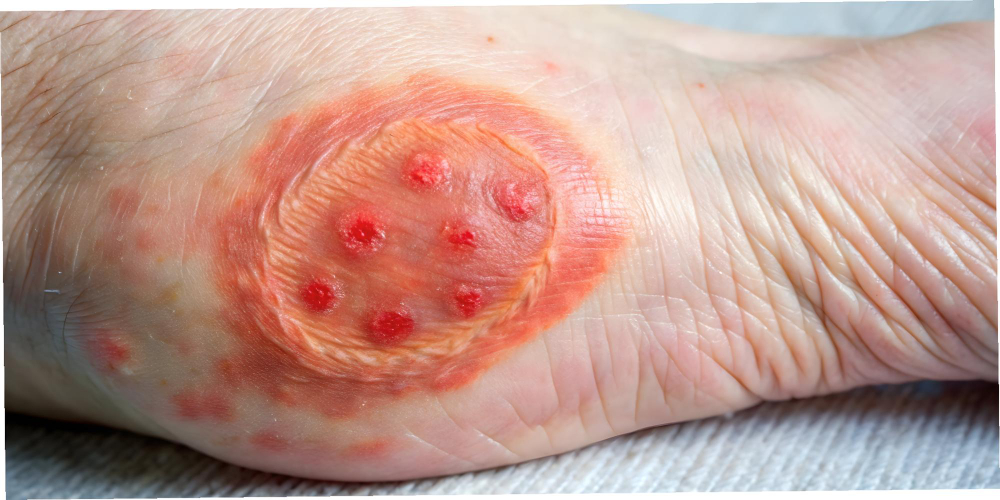
That small patch of redness on your foot may look harmless. For someone living with diabetes, it can be the first sign of something serious. Diabetic foot care and complications often begin quietly, with a blister, a callus, or a color change that is easy to shrug off.
Here is the hard truth. Diabetes can dull the nerves in your feet, so pain no longer warns you that something is wrong. A tiny sore can grow into an open ulcer before you even notice. The good news is that most of these wounds are preventable. By spotting the early signs and acting quickly, you can protect your feet and your independence.
Why Diabetic Foot Complications Happen
Diabetes affects your feet in two powerful ways. High blood sugar damages nerves, a condition called neuropathy, which numbs sensation. It also narrows blood vessels, so wounds heal slowly.
Together, these problems create a dangerous cycle. You may not feel a cut, and once it forms, your body struggles to repair it. Left untreated, that wound can become infected.
The Centers for Disease Control and Prevention reports that diabetes remains a leading cause of lower-limb amputations in the United States. That statistic sounds frightening, but it also carries hope, because early care changes outcomes. If you or your loved one manages daily glucose alongside other conditions, our approach to chronic condition management can support the whole picture, not just the feet.
Warning Signs You Should Never Overlook
Your feet often send signals long before a wound turns severe. Watch for these changes:
- Redness or warmth: A hot, red spot may mean pressure or early infection.
- Swelling: One puffy foot or ankle can point to poor circulation.
- Open sores or blisters: Any break in the skin needs prompt attention.
- Color changes: Pale, blue, or darkened skin signals reduced blood flow.
- Drainage or odor: Fluid or a bad smell suggests infection.
If you notice any of these, do not wait. A quick visit to a foot doctor can stop a small problem from becoming a hospital stay.
How to Check Your Feet at Home
A daily foot check takes only a minute and gives you real peace of mind.
- Sit in good light and look at the tops, soles, and between your toes.
- Use a mirror or ask a family member to help you see hard-to-reach spots.
- Feel for warm areas, tender bumps, or dry, cracked skin.
- Note anything new and share it with your care team.
For a deeper look at daily habits that protect your skin, our guide to managing diabetes at home walks you through simple routines.
When to See a Podiatrist
Some situations call for expert hands right away. Any open wound, spreading redness, or numbness that worsens deserves professional care. Skilled podiatrists in Brooklyn, NY can treat infections, remove pressure points, and design footwear that prevents future sores.
You do not have to manage this alone. Regular visits to a trusted foot doctor keep small issues small. Many families in the area rely on experienced podiatrists in Brooklyn, NY for both urgent wounds and ongoing prevention.
Take the Next Step Toward Healthier Feet
Redness is a message. Listen to it. Early attention to diabetic foot care and complications can preserve your mobility, comfort, and peace of mind.
If you spot a warning sign today, reach out by calling +1 718 367 2555 or visit us at 1797 Pitkin Avenue, New York, NY 11212 to schedule an appointment with our Podiatry care team. Protect the feet that carry you through life with expert podiatry care.