Almost everyone has experienced a tight, aching muscle after a stressful week or an intense workout. However, when a specific area of muscle tissue refuses to relax, it can develop into a hyper-irritable, semi-permanent nodule known clinically as a trigger point—or more commonly, a persistent muscle knot. These knots can cause localized burning and can also trigger referred pain, sending sharp or dull aches to completely different parts of your body. When standard treatments like massage, stretching, and heat therapy fail to unlock these stubborn fibers, Trigger Point Injections (TPI) offer a highly effective, targeted medical intervention to break the pain cycle instantly.
1. The Anatomy of a Persistent Knot
To understand how an injection provides relief, it helps to understand what a trigger point actually is under the microscope. When a muscle experiences repetitive strain, poor posture, or acute trauma, its microscopic fibers can contract so intensely that they physically lock together.
This localized spasm creates a micro-crisis within the tissue:
- The constant contraction squeezes nearby capillaries, cutting off healthy local blood flow.
- A lack of blood flow deprives the muscle tissue of essential oxygen and vital nutrients.
- Metabolic waste products build up in the area, irritating local nerve endings and causing persistent pain signals.
Because the lack of oxygen prevents the muscle fibers from gathering the energy they need to relax, the knot stays locked, trapping the muscle in a painful, self-perpetuating cycle.
2. The Medical Mechanism: How TPI Works
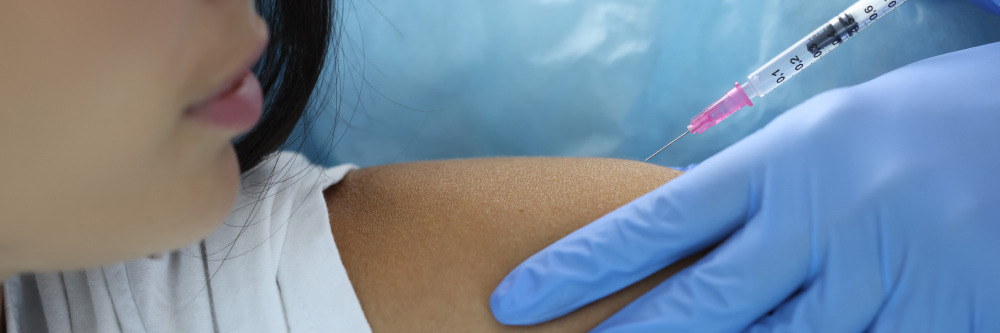
A trigger point injection disrupts this painful cycle through a combination of physical and biochemical actions. During the quick outpatient procedure, a specialist inserts a fine needle directly into the core of the muscle knot.
- The Physical Release (Needling): The physical movement of the needle tip mechanically disrupts the locked, spasmodic muscle fibers. This action forces the tightly bound proteins to unlatch, frequently triggering a brief, visible muscle twitch that signals the knot is letting go.
- The Biochemical Reset (The Injection): The physician then injects a small volume of medicine—typically a local anesthetic like lidocaine or bupivacaine. This anesthetic temporarily numbs the hyperactive local nerve pathways, completely stopping the pain signals heading to your brain and allowing the surrounding muscle tissue to relax and receive fresh, oxygen-rich blood flow.
3. Core Treatment Comparison Matrix
To understand how TPI fits into a broader myofascial pain management plan alongside other common clinical options, consider this comparative layout:
Treatment Option | Primary Clinical Mechanism | Onset of Action | Best Used For |
Mechanical disruption + local anesthetic numbing. | Immediate to 24 hours. | Severe, persistent knots causing chronic or referred pain. | |
Dry Needling | Purely mechanical disruption without any medication. | 24 to 48 hours. | Patients with local anesthetic allergies or minor spasms. |
Deep Tissue Massage | External manual compression and structural stretching. | Progressive over weeks. | Generalized muscle tension, stiffness, and stress management. |
4. Post-Injection Recovery Rules
While TPI provides rapid relief, maximizing the lifespan of your treatment depends heavily on how you manage your recovery over the following days:
- Expect Mild Local Soreness: As the local anesthetic wears off after a few hours, the injected muscle may feel bruised or sore for 24 to 48 hours. This is a completely normal response to the needle’s physical contact with the muscle fibers.
- Apply Targeted Heat or Ice: Use an ice pack for 10 to 15 minutes at a time during the first day if the site feels acutely tender. Transition to a warm compress or heating pad thereafter to encourage continuous, healing blood circulation to the area.
- Perform Gentle, Progressive Stretching: Keep the muscle moving. Gently move the affected muscle through its full, normal range of motion to prevent the healing fibers from tightening or locking up again as they heal.
- Avoid Strenuous Resistance Training: Do not perform heavy weightlifting or high-intensity workouts involving the treated muscle group for at least 3 to 5 days following your injection.
5. When to Contact Your Physician
Trigger point injections are safe and minimally invasive, but any skin-puncturing procedure requires careful observation. Seek medical attention immediately if you develop any of these warning signs:
- A body temperature rising above 100.4°F (38°C), unexpected chills, or spreading skin redness and pus drainage around the needle site.
- Severe, unprovoked shortness of breath, chest pain, or a persistent cough, especially if the injection was performed near your upper back, neck, or shoulder blades (signs of an extremely rare lung puncture known as a pneumothorax).
- Progressive numbness, loss of muscle strength, or a total inability to move the limb near the injection site.
Conclusion
Persistent muscle knots do not have to dictate your daily comfort or limit your mobility. Trigger point injections offer a highly reliable, precise way to mechanically unlock spasmodic tissue and silence hyper-reactive nerve pain. By pairing the immediate relief of an injection with proper posture, regular stretching, and targeted physical therapy, you can permanently break the myofascial pain cycle and return to a comfortable, active lifestyle.
Contact our pain management team today by calling us at +1-718-367-2555 or walking into our clinic at 1797 Pitkin Avenue, Brooklyn, NY 11212, to help you move forward with clarity and confidence.