Intense grief, sudden fear, or overwhelming stress can do more than shake your emotions—they can affect your heart. This condition, known as stress-induced cardiomyopathy or “broken heart syndrome,” temporarily weakens the heart’s main pumping chamber. The symptoms often feel like a heart attack, yet the cause is very different.
For families caring for a loved one, the experience can be frightening. The good news is that most people recover fully with prompt, compassionate care. Understanding what happens, why it occurs, and when to act can bring real peace of mind. Below, we explain the signs, causes, and treatment of this surprising heart condition in clear, simple terms—so you know exactly what to watch for and how to respond.
What Is Stress-Induced Cardiomyopathy?
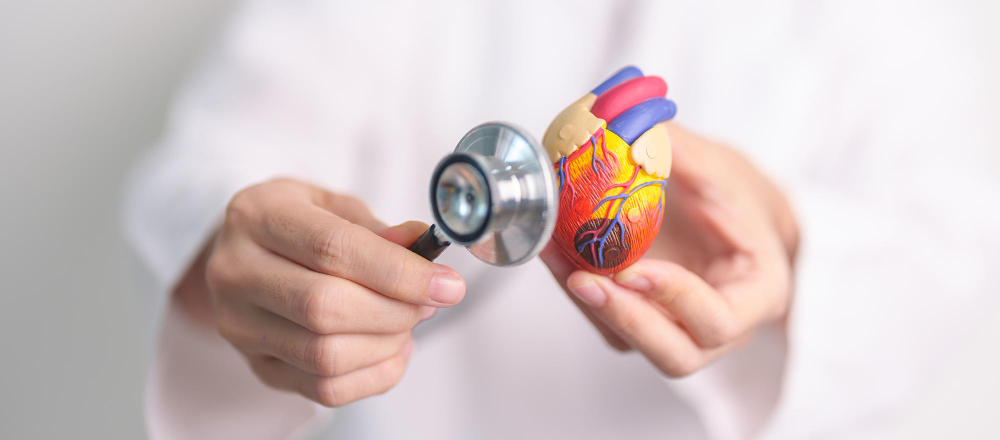
Stress-induced cardiomyopathy happens when a surge of stress hormones temporarily stuns the heart. The heart’s lower left chamber changes shape and struggles to pump normally.
Doctors also call it takotsubo cardiomyopathy, named for a Japanese octopus trap the affected heart resembles. Unlike a heart attack, there is usually no blocked artery.
Most people recover within days to weeks. Still, the early symptoms are serious and always deserve immediate medical attention. If you notice sudden chest discomfort, our guide on recognizing heart palpitations can help you understand what your body may be signaling.
Common Triggers
Emotional or physical stress often sets off this condition. Frequent triggers include:
- The death of a loved one
- A serious accident or medical diagnosis
- Sudden shock, fear, or intense anxiety
- Major surgery or a severe illness
- Financial or relationship stress
Recognizing the Warning Signs
The symptoms closely mimic a heart attack, so quick action matters. Never wait to see if they pass on their own.
Watch for these signs:
- Sudden chest pain or pressure
- Shortness of breath
- Irregular or rapid heartbeat
- Dizziness or fainting
- Unusual fatigue after a stressful event
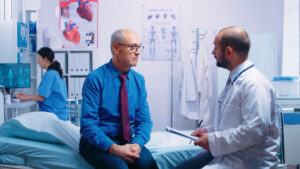
If you or a family member experiences these symptoms, call emergency services right away. Experienced cardiologists can quickly distinguish broken heart syndrome from a true heart attack.
How Doctors Diagnose It
A careful evaluation confirms the diagnosis and rules out other conditions. Your care team may use:
- An electrocardiogram (ECG) to check heart rhythm
- Blood tests to measure cardiac enzymes
- An echocardiogram to view the heart’s shape and function
- Coronary angiography to check for blocked arteries
Skilled cardiologist doctors interpret these results with precision, guiding families toward the right next steps. For ongoing support, our cardiology care team offers personalized monitoring and reassurance.
Treatment and Recovery
Because the condition is usually temporary, treatment focuses on supporting the heart while it heals. Recovery is often complete, especially with early care.
Typical treatment may include:
- Medications to ease the heart’s workload
- Close monitoring during the recovery period
- Managing stress and underlying triggers
- Follow-up visits to confirm full recovery
Recovery timelines vary, but many patients feel stronger within a few weeks. Partnering with the best cardiologist in Brooklyn ensures your loved one receives expert, attentive follow-up throughout healing. Choosing the best cardiologist in Brooklyn also means clear communication and flexible scheduling that fits your family’s needs.
Protect Your Heart with Expert Care
Broken heart syndrome reminds us that emotional and physical stress can deeply affect our health. The reassuring truth is that most people recover fully with the right support and timely care.
If you or a family member has experienced chest pain or unusual symptoms after major stress, don’t wait. Our compassionate specialists provide reliable diagnosis, personalized treatment plans, and continuous reassurance every step of the way.
Take the next step toward peace of mind by scheduling a visit with our cardiology team today by calling us at +1-718-367-2555 or walking into our clinic at 1797 Pitkin Avenue, Brooklyn, NY 11212 to get a personalized care plan for you and your family.