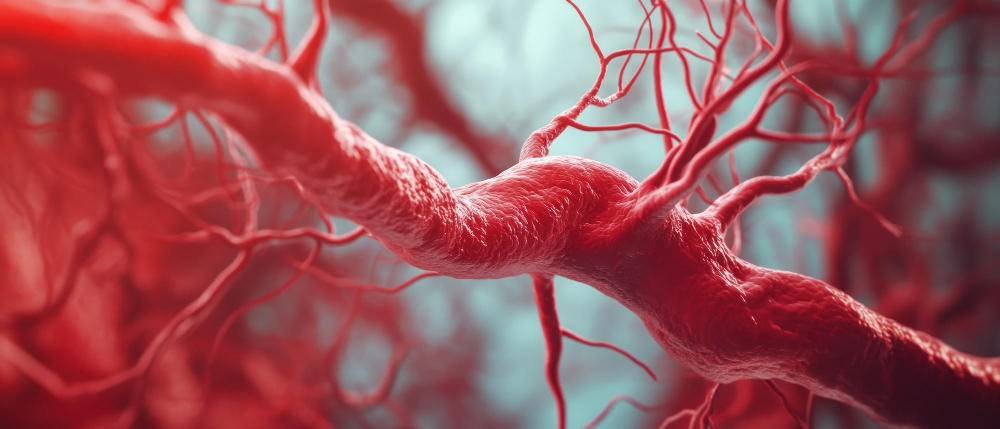
Chest pain doesn’t always come from a blocked artery. For many women, it stems from a lesser-known condition called coronary microvascular disease, which affects the heart’s smallest blood vessels. The discomfort feels real and often frightening, yet standard tests may come back normal.
This mismatch can leave patients and their families feeling dismissed or confused. The reassuring truth is that this condition is manageable with the right diagnosis and support. Below, we explain what causes this type of chest pain, why women are more likely to experience it, and how expert care can bring lasting relief. Understanding these signs helps you and your loved ones act with confidence rather than worry.
What Is Coronary Microvascular Disease?
Coronary microvascular disease affects the tiny blood vessels that branch off the heart’s main arteries. When these small vessels narrow or spasm, blood flow drops and the heart struggles to get enough oxygen.
Unlike a classic blockage, this problem doesn’t show up on a standard angiogram. That’s why so many women are told their hearts look “fine” despite ongoing symptoms.
Fortunately, advanced testing and experienced cardiologists can uncover what routine scans miss. If you notice recurring discomfort, our guide on recognizing heart palpitations offers helpful context on early warning signs.
Why Women Experience This Chest Pain Differently
Women often describe heart-related symptoms in ways that don’t match the “textbook” heart attack. This difference can delay diagnosis and proper treatment.
Common Symptoms in Women
Watch for these signs, especially if they appear during stress or rest:
- Chest pain or pressure lasting several minutes
- Discomfort in the neck, jaw, shoulder, or back
- Shortness of breath
- Unusual fatigue or weakness
- Nausea or lightheadedness
These symptoms can come and go, which sometimes leads people to ignore them. Trust your instincts and seek care when something feels wrong.
Risk Factors to Know
Several factors raise the likelihood of microvascular disease:
- High blood pressure or high cholesterol
- Diabetes or insulin resistance
- Hormonal changes, especially after menopause
- Chronic stress or anxiety
- Family history of heart conditions
Knowing your risks helps you and your care team stay one step ahead.
How Doctors Diagnose and Treat It
Because standard tests often miss this condition, a thorough evaluation matters. Skilled cardiologists use specialized methods to measure how well the small vessels function.
Diagnostic tools may include:
- Specialized stress testing
- Coronary flow reserve measurement
- Cardiac MRI or PET imaging
- Blood tests to assess overall heart health
Treatment focuses on relief and long-term protection. Options typically involve:
- Medications to relax blood vessels and improve flow
- Blood pressure and cholesterol management
- Lifestyle support, including stress reduction
- Regular monitoring and follow-up visits
Partnering with the best cardiologist in Brooklyn ensures your treatment plan is tailored to your unique needs. For ongoing guidance, our cardiology care team provides personalized monitoring and compassionate support throughout your journey.
Getting Support at Home
Recovery and monitoring don’t have to mean constant hospital trips. For patients managing a chronic heart condition, home-based visits offer expert care with flexible scheduling that fits your family’s routine.
This approach delivers real peace of mind. You get reliable medical support, clear communication, and continuous reassurance without added stress. Choosing the best cardiologist in Brooklyn also means access to a team that keeps loved ones informed every step of the way.
Take the Next Step Toward Answers
Hidden chest pain deserves real answers, not dismissal. Microvascular disease is manageable, and early, expert care makes all the difference for your health and confidence.
If you or a family member experiences unexplained chest discomfort, don’t wait for it to worsen. Our compassionate specialists offer accurate diagnosis, personalized treatment, and dependable follow-up care.
Schedule a visit with our cardiology team today by calling us at +1-718-367-2555 or walking into our clinic at 1797 Pitkin Avenue, Brooklyn, NY 11212 to get a personalized care plan for your heart health.