When a young child is hurting, they rarely have the words to explain it. They may act out, withdraw, or struggle at school, leaving you unsure how to help. That silence is hard to watch.
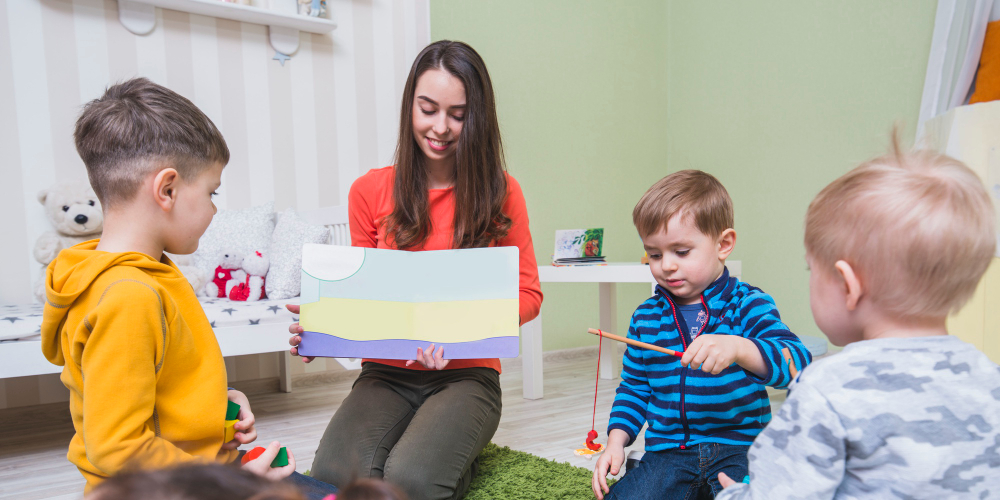
Play therapy offers a way forward. For children ages 3 to 12, play is their natural language, and toys are their words. Through guided play, a trained therapist helps your child process big emotions, work through difficult experiences, and build healthy coping skills. It is a proven, gentle approach that meets children where they are. You are not alone in this, and support is closer than you think.
What Play Therapy Is and How It Works
Your child does not need to sit still and talk about their feelings to heal. That expectation often overwhelms young children. Play therapy removes that pressure entirely.
Instead, a therapist uses toys, games, art, and storytelling to help your child express what they cannot yet put into words. This approach is backed by decades of research and endorsed by the Association for Play Therapy.
Common Techniques
- Sand tray work: Children build small worlds in sand, revealing worries they cannot name aloud.
- Role-play and puppets: Kids act out scenarios that help them process fear, grief, or change.
- Art and drawing: Creative expression gives shape to feelings that feel too big to hold.
Each session is guided by a qualified behavioral health specialist who observes patterns, builds trust, and gently supports your child’s progress. To understand how emotional wellness connects to overall care, our guide on childhood emotional wellness offers helpful context.
Who Play Therapy Helps
Many families wait too long to seek help, hoping the struggle will pass. Sometimes it does. Often, though, children need extra support to heal fully.
Play therapy can help children cope with:
- Anxiety, fear, or frequent worry
- Grief after losing a loved one or pet
- Big life changes like divorce or a move
- Trauma, medical procedures, or hospital stays
- Behavioral challenges at home or school
Research shows play therapy produces meaningful improvements in children’s emotional and behavioral health. A skilled behavioral health specialist tailors each plan to your child’s unique needs, because no two children heal the same way.
If a hospital stay or recovery has affected your child, our pediatric home care services bring compassionate support directly to your family.
Signs Your Child May Benefit
- Sudden mood changes or frequent tantrums
- Trouble sleeping or unexplained fears
- Withdrawing from friends or family
- Regression, such as bedwetting after being dry
Noticing these signs early makes a real difference. By reaching out sooner, you give your child the best chance to recover and thrive.
Finding the Right Support Near You
Choosing care for your child feels daunting. You want someone qualified, warm, and trustworthy. That worry is completely understandable.
A reputable mental health clinic in Brooklyn will pair your family with a licensed behavioral health specialist experienced in working with young children. Flexible scheduling and clear communication help the process feel manageable, not overwhelming.
When you visit a mental health clinic in Brooklyn, look for accredited providers, family-centered care, and staff who take time to answer your questions. The right team will treat your child with patience and respect at every step.
Take the First Step Toward Healing
Your child’s struggles are real, and so is the help available. Play therapy gives children a safe space to heal, grow, and feel understood again.
You do not have to navigate this alone. Our compassionate behavioral health team is ready to support your family with personalized care. Reach out today by calling +1-718-367-2555 or visiting 1797 Pitkin Avenue, Brooklyn, NY 11212 to schedule a consultation and take the first step toward your child’s brighter tomorrow.