That itch, ache, or spot of blood on the toilet paper can send your mind racing. You may feel embarrassed, worried, or unsure whether something is seriously wrong. Take a breath. Understanding what are hemorrhoids helps you replace that worry with clear, useful knowledge. Hemorrhoids are swollen veins in your lower rectum and anus, and they are far more common than most people realize. Many of us will deal with them at some point in life. The good news is that they are treatable, often with simple steps at home. In this guide, you will learn the types, the causes, the symptoms to watch for, and the treatment options that can bring you real relief.
You do not have to sort through this discomfort alone. Doral Health & Wellness Gastroenterology offers experienced specialists who examine your symptoms, explain what is happening in plain language, and build a care plan around your needs. Our team treats you with respect and discretion, so you always feel comfortable. Reach out today to schedule a visit and take the first step toward relief.
What Are Hemorrhoids?
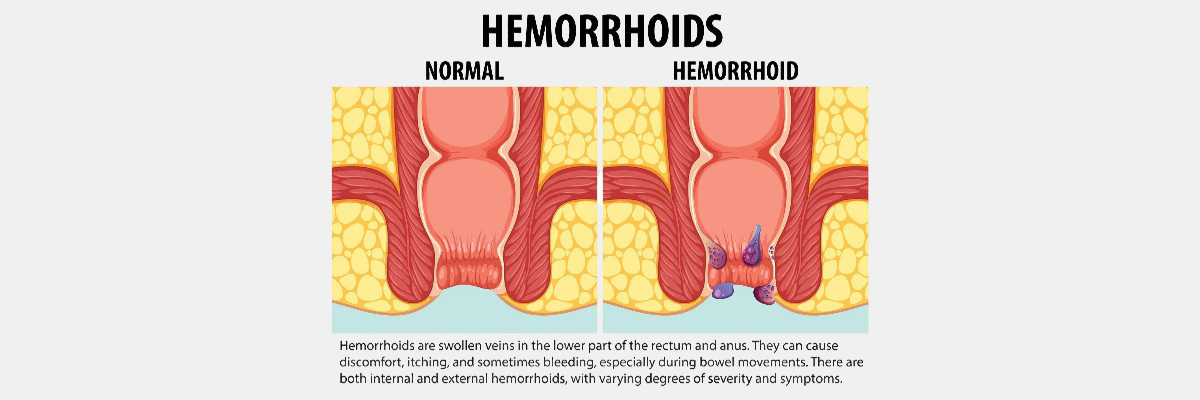
Hemorrhoids are swollen, inflamed veins in the tissue around your anus and lower rectum. Everyone actually has these vein clusters — they help control bowel movements. Problems begin only when they swell and become irritated.
When that happens, the pressure can cause itching, discomfort, and bleeding. It sounds alarming, but it rarely signals something dangerous. Still, knowing the type you have helps guide the right treatment.
The Two Main Types of Hemorrhoids
Not all hemorrhoids feel or behave the same way. Where they form changes your symptoms and your treatment path. Knowing the difference puts you in a stronger position to seek the right help.
Internal Hemorrhoids
These form inside your rectum, where you cannot see or feel them. Because that area has few pain-sensing nerves, they often go unnoticed at first.
The most common clue is bright red blood during a bowel movement. Sometimes an internal hemorrhoid pushes through the anal opening, which is called a prolapse. That can cause irritation and discomfort.
- Location – inside the rectum, out of view
- Main sign – painless bleeding during bowel movements
- Possible complication – prolapse, when the hemorrhoid slips outside
External Hemorrhoids
These develop under the skin around your anus. This area has plenty of nerves, so external hemorrhoids tend to be far more noticeable.
You may feel itching, swelling, or a tender lump near the opening. If a blood clot forms inside one, it can become suddenly painful — a condition known as a thrombosed hemorrhoid.
- Location – under the skin around the anus
- Main sign – itching, swelling, and tenderness
- Possible complication – a painful clot, or thrombosis
What Causes Hemorrhoids?
Hemorrhoids do not appear out of nowhere. They form when extra pressure builds up in the veins of your lower rectum. Understanding what drives that pressure helps you prevent flare-ups down the road.
Several everyday habits and life events can raise your risk. Many are within your control once you know about them.
- Straining during bowel movements – pushing hard puts direct pressure on those veins
- Chronic constipation or diarrhea – both irritate and strain the area over time
- Sitting for long stretches – especially on the toilet, which increases pressure
- Pregnancy – the growing uterus presses on rectal veins
- A low-fiber diet – too little fiber leads to harder, harder-to-pass stools
- Heavy lifting – repeated strain can trigger swelling
Changes in diet and toilet habits are a first line of defense. Small adjustments often make a real difference.
Common Symptoms to Watch For
Symptoms range from barely noticeable to genuinely uncomfortable. Recognizing them early lets you act before things worsen. Do not ignore signals your body is sending.
Watch for these common signs:
- Bright red blood – seen on toilet paper, in the bowl, or on your stool
- Itching or irritation – around the anal area
- Discomfort or pain – especially while sitting
- Swelling – a lump or puffiness near the anus
- A feeling of fullness – as if your bowel has not fully emptied
Bleeding always deserves attention. While hemorrhoids are a common cause, other conditions can bleed too. If you notice blood, it is worth having a professional take a look. Searching for a gut clinic near me can connect you with someone who offers a clear answer.
Treatment Options That Bring Relief
Here is the reassuring truth. Most hemorrhoids improve with simple, at-home care. When they do not, effective medical treatments are available. You have real options.
Home Remedies and Lifestyle Changes
For mild cases, small steps often bring big comfort.
- Eat more fiber – fruits, vegetables, and whole grains soften stool
- Drink plenty of water – hydration keeps bowel movements easier
- Try a sitz bath – soaking in warm water several times a day eases irritation
- Use topical treatments – creams or suppositories can calm swelling
- Avoid straining – give yourself time and do not force things
These changes often resolve symptoms within a week or two. Consistency is what makes them work.
Medical Procedures
When home care is not enough, a specialist can offer more. There are several minimally invasive options.
- Rubber band ligation – a small band cuts off blood flow to an internal hemorrhoid, so it shrinks
- Injection or coagulation – shrinks hemorrhoids using a solution or gentle heat
- Surgical removal – reserved for large or persistent cases
A Brooklyn gastroenterologist can walk you through which option fits your situation. Many people feel far more at ease after talking with a gastroenterologist in NY who explains each step clearly.
When to See a Specialist
Some symptoms should not wait. Reaching out early protects your health and your peace of mind. You deserve a clear answer, not lingering worry.
Contact a professional when:
- Bleeding does not stop – or keeps coming back
- Pain becomes severe – or a lump feels hard and tender
- Home care fails – symptoms persist beyond a week
- You notice changes – in stool color, shape, or bowel habits
If any of these apply, searching for a gastrointestinal near me specialist is a smart, caring step. Prompt care rules out other conditions and gets you on the path to relief.
Take the Next Step Toward Comfort
Hemorrhoids are common, treatable, and nothing to feel ashamed about. You now understand the types, the causes, the symptoms, and the treatments that can help you feel like yourself again. The sooner you act, the sooner you find relief.
You do not have to manage this alone. Our experienced team offers gentle exams, honest answers, and discreet, patient-first care close to home. Whether you need advice from a trusted Brooklyn gastroenterologist or a full evaluation from a caring gastroenterologist in NY, we are ready to help you feel better. Do not let discomfort hold you back — contact Doral Health & Wellness today at 1-718-365-2555 or visit us at 1797 Pitkin Avenue, Brooklyn, New York 11212. Take the first step toward lasting comfort and confidence. For general information about Doral Health & Wellness services, you can contact or email info@doralhw.org.