Poor circulation symptoms include cold hands and feet, numbness, swelling, leg cramps, skin discoloration, and slow-healing wounds. These signs often point to an underlying cardiovascular condition. Recognizing them early gives your cardiologist the chance to step in before the problem worsens.
Poor circulation is one of those health concerns that builds quietly. You might brush off cold hands or tired, heavy legs as nothing serious, but your body is often telling you something important. Poor circulation symptoms are among the most commonly overlooked warning signs of an underlying cardiovascular problem, and the earlier they are caught, the more your care team can do.
This post walks through the warning signs you should not ignore, explains what they may mean, and helps you understand when it is time to speak with a cardiologist.
What Does Poor Circulation Actually Mean?
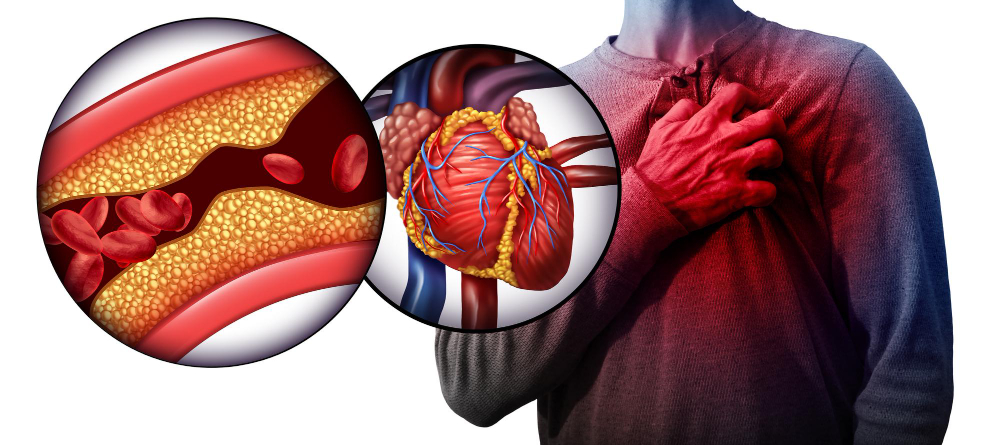
Circulation refers to how well your heart and blood vessels move blood throughout your body. When blood flow is reduced or blocked due to narrowed arteries, blood clots, or heart disease, the tissues and organs that depend on that blood begin to suffer.
Poor circulation is not a diagnosis on its own. It is a signal that something else may be going on, whether that is peripheral artery disease, diabetes, heart failure, or another condition. Identifying the warning signs early is the first step toward getting answers.
Common Poor Circulation Symptoms to Watch For
Cold or Numb Hands and Feet
Persistent coldness in your hands or feet, even in warm environments, is one of the most recognizable signs of poor circulation. Numbness or tingling in the extremities often accompanies it. This happens because reduced blood flow limits the delivery of warmth and oxygen to the body’s outer limbs.
Swelling in the Legs, Ankles, or Feet
Swelling, also called edema, can develop when blood pools in the lower body rather than circulating back to the heart efficiently. If you notice that your shoes feel tight by the end of the day or your ankles look puffy, this is worth discussing with a cardiologist.
Leg Cramps or Muscle Fatigue During Activity
Cramping or heaviness in the legs while walking and relief when you stop is a pattern known as claudication. It points to reduced blood supply to the leg muscles during exertion and is a known warning sign of peripheral artery disease.
Skin Color Changes
Pale, bluish, or mottled skin, particularly in the hands, feet, or lips, can indicate that blood is not reaching those areas in adequate amounts. Redness or a mottled appearance on the legs may also signal circulatory problems.
Slow-Healing Wounds
When circulation is poor, wounds, especially on the feet or lower legs, heal more slowly than they should. Reduced blood flow means fewer nutrients and oxygen reach the damaged tissue. This is a concern that warrants prompt medical attention, particularly for people with diabetes.
Varicose Veins
Visibly swollen, twisted veins near the surface of the skin can be a sign that the veins are struggling to return blood to the heart. While often viewed as a cosmetic issue, varicose veins can sometimes signal deeper circulatory problems.
When Should You See a Cardiologist?
You do not have to wait until symptoms become severe. If you are experiencing more than one of the signs above — or if any of them are affecting your daily life — scheduling an evaluation at a cardiology clinic in Brooklyn is a reasonable and important next step.
Your cardiologist can order the right tests, identify the underlying cause, and recommend a treatment plan tailored to your situation. Early intervention often means simpler, more effective care.
Take the Next Step
Poor circulation symptoms are your body’s way of asking for attention. The good news is that help is available. Our cardiologists are here to provide the answers, care, and reassurance you need. Reach out to our team today by calling us at +1-718-367-2555 or walking into our clinic at 1797 Pitkin Avenue, Brooklyn, NY 11212, to schedule a consultation where we will listen carefully and work with you toward better health.