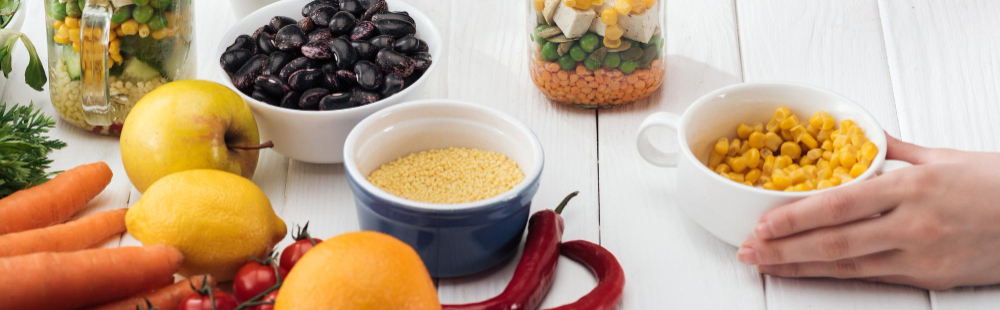
The best foods and exercises to improve blood flow naturally include leafy greens, beets, fatty fish, berries, and foods rich in omega-3s, combined with activities like walking, swimming, and stretching. Together, these habits support cardiovascular health and may reduce circulation-related symptoms.
Your legs feel heavy after a long day. Your hands are cold even when the room is warm. You notice swelling around your ankles that was not there before. These are not random inconveniences — they are often your body’s way of signaling that blood is not moving through it the way it should. The good news is that your daily habits have a meaningful impact on circulation. Knowing the best foods and exercises to improve blood flow naturally is a practical first step toward feeling better and protecting your heart health long-term. If symptoms persist, speaking with a cardiologist can help you understand what is driving them.
What Does It Mean to Support Blood Flow Through Lifestyle?
Blood flow depends on the health of your heart, arteries, and veins. When vessels are stiff or narrowed, the heart works harder to push blood through. Over time, that strain can lead to serious cardiovascular problems. Lifestyle choices — what you eat and how much you move — directly affect vessel flexibility, inflammation, and the efficiency of your circulatory system. These changes are not a substitute for medical care, but they work alongside it.
Best Foods to Improve Blood Flow Naturally
Leafy Greens and Beets
Vegetables like spinach, kale, arugula, and beets are high in dietary nitrates. According to research published in the Journal of Nutrition, nitrates convert to nitric oxide in the body, a compound that relaxes blood vessel walls and improves circulation. Beets in particular have been studied for their ability to lower blood pressure and increase blood flow to working muscles.
Fatty Fish
Salmon, mackerel, sardines, and trout are rich in omega-3 fatty acids. The American Heart Association recommends eating fatty fish at least twice per week. Omega-3s help reduce inflammation in blood vessels, lower triglyceride levels, and decrease the risk of plaque buildup — all of which support healthier circulation.
Berries
Blueberries, strawberries, and raspberries contain flavonoids, plant compounds linked to improved arterial function. A 2019 review in the American Journal of Clinical Nutrition found that regular berry consumption was associated with lower blood pressure and improved blood vessel health in adults.
Other Foods Worth Adding
- Garlic: Contains allicin, which may relax blood vessels and reduce arterial stiffness.
- Citrus fruits: High in vitamin C and flavonoids that support vessel integrity.
- Walnuts and flaxseeds: Plant-based omega-3 sources that help reduce vascular inflammation.
- Dark chocolate (70% cacao or higher): Associated with improved endothelial function in moderate amounts, according to research from Harvard Medical School.
Best Exercises to Improve Blood Flow Naturally
Walking
Walking is one of the most accessible and well-supported exercises for cardiovascular health. Even 30 minutes of moderate-paced walking most days of the week improves circulation, lowers blood pressure, and reduces the risk of peripheral artery disease. The Centers for Disease Control and Prevention (CDC) recommends at least 150 minutes of moderate aerobic activity per week for adults.
Swimming and Water Exercise
Water-based exercise is particularly helpful for people with swelling, joint pain, or early-stage circulation concerns. The gentle pressure of water on the body supports venous return — the movement of blood back toward the heart — while the aerobic effort strengthens the cardiovascular system.
Stretching and Yoga
Gentle stretching and yoga poses encourage blood flow to areas of the body that can become stagnant during long periods of sitting. Poses that elevate the legs above the heart are especially useful for reducing lower-limb swelling and supporting vein health.
Resistance Training
Light to moderate strength training builds muscle, which acts as a pump to support circulation. A 2021 study in the European Heart Journal found that resistance exercise improved arterial compliance — the ability of blood vessels to expand and contract — in adults with mild cardiovascular concerns.
When Lifestyle Changes Are Not Enough
Diet and exercise are powerful tools. For many people, consistent lifestyle habits lead to noticeable improvements in energy, reduced swelling, and better tolerance for physical activity. But if you are making these changes and still experiencing cold extremities, leg cramps, or slow-healing wounds, those symptoms deserve a professional evaluation.
A cardiologist can determine whether an underlying condition — such as peripheral artery disease or venous insufficiency — requires additional treatment alongside your lifestyle efforts. Early evaluation leads to better outcomes, and care does not have to be complicated to be effective.
Take the Next Step
Improving your blood flow naturally starts with small, consistent choices — a handful of berries with breakfast, a 20-minute walk in the afternoon, a dinner built around leafy greens and fish. These steps matter. Our cardiologists are here to support you as you make them. If you have concerns about your circulation or want guidance from a cardiologist who will take your symptoms seriously, reach out to our team today by calling us at +1-718-367-2555 or walking into our clinic at 1797 Pitkin Avenue, Brooklyn, NY 11212, to schedule a consultation.