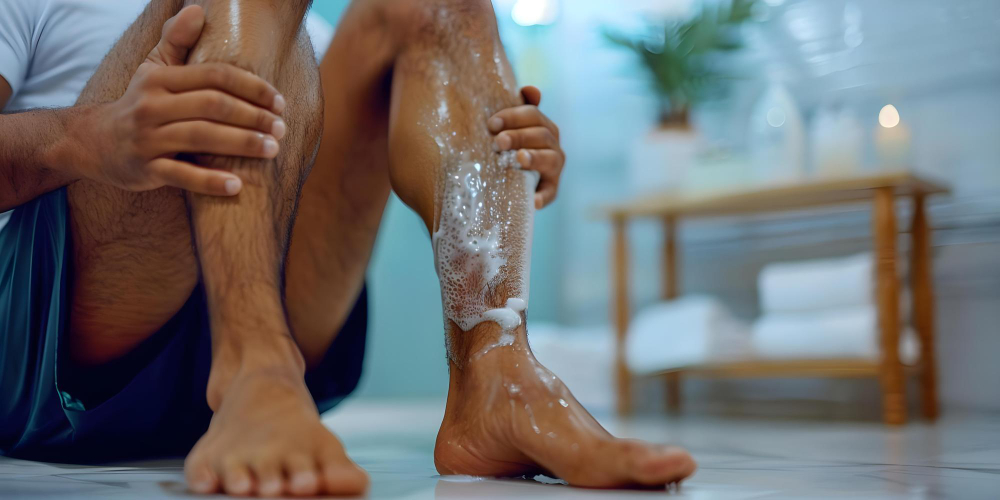
Razor blades and acid peels cause foot infections because they cut or burn healthy skin, opening the door to bacteria. Understanding why razor blades and acid peels cause foot infections helps you avoid painful complications. Safe callus care means gentle soaking, moisturizing, and professional help when needed.
Painful, thick calluses tempt many people to reach for a fast solution. You want the rough skin gone tonight, so a razor blade or an acid peel starts to look appealing. That urge is understandable. But the dangers of quick-fix callus removers are real, and they can turn a minor foot problem into a serious infection. Razor blades slice into living skin. Acid peels burn tissue you cannot see. Both create open wounds that bacteria love. This guide explains why these shortcuts are risky, what safer options exist, and when to call a podiatrist. Your feet carry you every day, and they deserve care that protects them.
Why Razor Blades and Acid Peels Cause Foot Infections
The skin on your feet is your body’s first line of defense against germs. When you break that barrier, you invite trouble. This is the core reason why razor blades and acid peels cause foot infections.
The Danger of Razor Blades
A razor blade may seem like a quick way to shave off a callus. It is not. Cutting your own skin is one of the most common causes of foot injury seen in a podiatry clinic in Brooklyn and beyond.
- Open wounds. A single slip of the blade cuts into healthy tissue and creates an entry point for bacteria.
- Hidden depth. You cannot judge how deep a callus goes, so you often cut too far.
- Bleeding and scarring. Deep cuts bleed, heal slowly, and can leave permanent scars.
The Danger of Acid Peels
Over-the-counter acid peels and medicated pads often contain salicylic acid. Used incorrectly, they burn the healthy skin around the callus.
- Chemical burns. Acid does not know where the callus ends and healthy skin begins.
- Open sores. Burned skin breaks down and becomes an open sore, just like a cut.
- Slow healing. Damaged tissue takes longer to repair, giving bacteria more time to spread.
The Dangers of Quick-Fix Callus Removers for High-Risk Feet
Some people face far greater risk from these shortcuts. If you have diabetes or poor circulation, a small foot wound can become dangerous fast.
Reduced blood flow slows healing. Nerve damage means you may not feel a cut or burn until it is infected. What starts as a callus can end as a deep ulcer.
- Diabetes. High blood sugar weakens healing and raises infection risk.
- Poor circulation. Less blood flow means wounds close slowly.
- Numbness. Nerve damage hides pain, so injuries go unnoticed.
If any of these apply to you, skip home cutting and acid products completely. A podiatrist can remove calluses safely and protect your long-term foot health.
Safer Ways to Care for Calluses at Home
You do not have to risk your feet to find relief. Gentle care works, and it keeps your skin whole and healthy.
- Soak in warm water. Ten to twenty minutes softens thick skin without harm.
- Moisturize daily. Creams with urea or salicylic acid soften calluses gradually and safely.
- File gently after soaking. Use a pumice stone on damp skin, never a blade.
- Wear proper shoes. A good fit reduces the pressure that causes calluses in the first place.
Give these steps a few days to work. Softer feet come with patience, not sharp tools.
Protect Your Feet With Expert Care
Calluses are common, and most respond well to gentle home care. The dangers of quick-fix callus removers are simply not worth the risk of a painful infection. When a callus is deep, painful, or keeps returning, professional help is the safe choice.
Our Podiatry team offers safe callus removal and a prevention plan built around your needs. Reach out today by calling +1 718 367 2555 or visit us at 1797 Pitkin Avenue, New York, NY 11212 to schedule a consultation and take the first step toward comfortable, healthy feet.