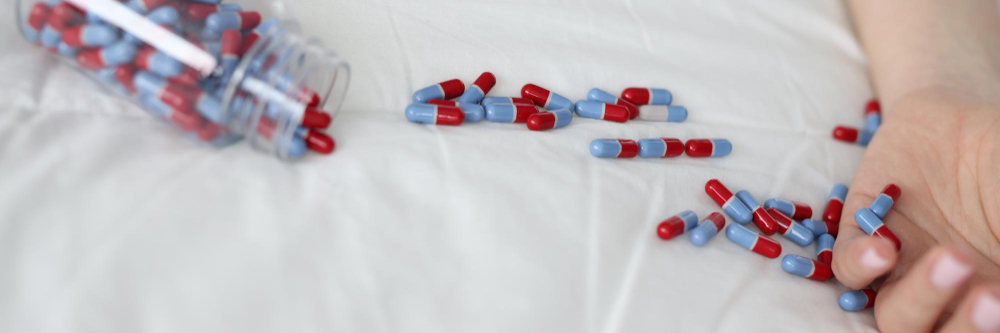
Doctors prescribe PCSK9 inhibitors when statins and ezetimibe cannot lower LDL cholesterol enough, or when a patient cannot tolerate statins. These injectable drugs are reserved for high-risk patients who need stronger protection against heart attack and stroke.
High LDL cholesterol can feel like a threat you cannot see. You take your pills, you watch your diet, yet your numbers still worry you. That fear is real, and it deserves a clear answer. This guide explains when PCSK9 inhibitors are prescribed, what PCSK9 inhibitors cost, and how many PCSK9 injections are needed to treat high-risk patients. By the end, you will know what to expect and what questions to bring to your cardiologist. You do not have to sort through this alone.
When Are PCSK9 Inhibitors Prescribed?
PCSK9 inhibitors are not usually the first treatment. Most people start with a statin, and many add ezetimibe if needed. When those steps still leave your LDL too high, your doctor may look to a stronger option.
Your cardiologist may recommend a PCSK9 inhibitor if:
- Your LDL stays high on maximum statin therapy. You have done everything right, but your numbers remain in a risky range.
- You cannot tolerate statins. Muscle pain or other side effects make daily statins hard to continue.
- You have a genetic condition. Familial hypercholesterolemia raises LDL from birth and often needs extra help.
- You have known heart disease. A prior heart attack or stroke puts you at high risk, so lowering LDL matters even more.
These drugs are powerful. They can lower LDL by 50 to 60 percent, even for people already on a statin. That is why they are saved for those who truly need them.
PCSK9 Inhibitors Cost: What to Expect
Cost is often the first concern patients raise, and that concern makes sense. PCSK9 inhibitors are newer and more expensive than older cholesterol drugs.
Here is what shapes the price:
- Your insurance plan. Coverage varies widely, and some plans require prior approval before they pay.
- Your risk level. Insurers are more likely to cover these drugs for high-risk patients with a clear medical need.
- Manufacturer support. Many drug makers offer savings programs that lower out-of-pocket costs.
Do not let the price scare you off before you ask. Your care team can help check your coverage and connect you with support programs. Many patients pay far less than the sticker price once these options are in place.
How Many PCSK9 Injections Are Needed to Treat High-Risk Patients?
The idea of injections can feel intimidating. The good news is that the schedule is simple and easy to manage at home.
Most PCSK9 inhibitors are given as an injection every two to four weeks. Some newer options are given even less often. That means you may need only one or two injections a month to keep your LDL under control.
For high-risk patients, this treatment usually continues long term. Lower LDL only lasts as long as the medicine is working, so most people stay on it to keep their heart protected. Your cardiologist will check your numbers over time and adjust your plan as needed.
Take the Next Step Toward Better Heart Health
Managing high cholesterol can feel like a heavy weight, especially when your usual medicines are not enough. You do not have to carry that worry alone. The right plan can lower your risk and give you real peace of mind.
If you are searching for a trusted cardiology clinic in Brooklyn, our Cardiology team is ready to help. Our team will review your numbers, explain your options in plain terms, and build a plan that fits your life and your budget. Reach out today by calling us at +1-718-367-2555 or walking into our clinic at 1797 Pitkin Avenue, Brooklyn, NY 11212, to schedule a consultation and take the first step toward a healthier heart.