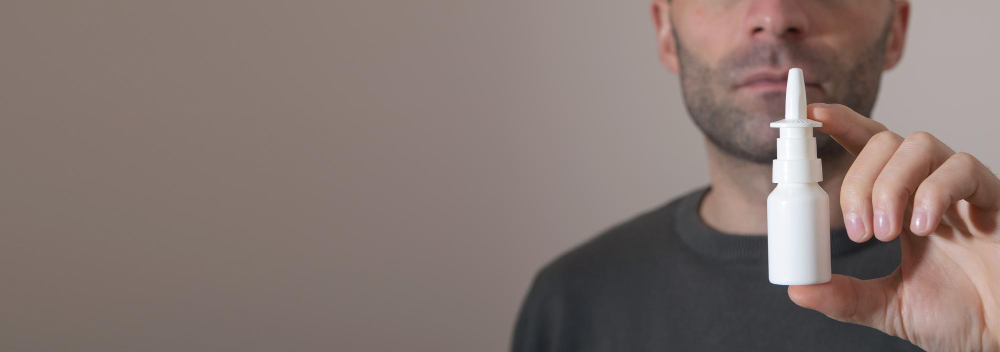
Rebound congestion, also called rhinitis medicamentosa, happens when you use decongestant nasal sprays for more than three days. The spray stops working, and your stuffiness comes back worse than before. This is why using nasal sprays beyond 3 days worsens sinus blockage. Stopping the spray and giving your nose time to heal is the way out.
You buy a nasal spray hoping to breathe again. For a few days, it works like magic. Then something changes. Your nose feels more blocked than ever, and you reach for the bottle more often just to get through the day. This trap is real, and it has a name.
Rebound congestion, known medically as rhinitis medicamentosa, catches many people off guard. Below, you will learn why using nasal sprays beyond 3 days worsens sinus blockage, how to spot the warning signs, and how to break free. You do not have to keep guessing.
What Is Rebound Congestion and Why Does It Happen?
Rebound congestion is the stuffy nose that returns after you stop, or try to stop, using a decongestant nasal spray. It affects sprays like oxymetazoline that shrink the blood vessels in your nose.
At first, the spray works well. It narrows swollen vessels and opens your airway fast. The problem starts when your nose gets used to the medicine. Over a few days, those vessels stop responding the same way. They swell right back, often worse than before. So you spray again, and the cycle keeps turning.
Why Using Nasal Sprays Beyond 3 Days Worsens Sinus Blockage
Most decongestant sprays carry a clear warning: do not use for more than three days. That limit is there for a reason.
How Overuse Leads to Rebound Congestion
Your nasal tissue depends on the spray once you pass the three-day mark. The medicine keeps forcing the vessels to shrink, but your body fights back by swelling even more. Each dose gives you less relief and lasts a shorter time. Before long, you are spraying just to feel normal, not to feel better.
Signs You May Have Rhinitis Medicamentosa
Rhinitis medicamentosa can be hard to spot because it feels like ordinary congestion. Watch for these clues:
- You need the spray constantly. You reach for it several times a day just to breathe.
- Relief fades fast. Each dose helps less and wears off sooner.
- Your nose feels worse without it. The congestion returns quickly and stronger once the spray wears off.
- You have used the spray for more than a week. The longer the use, the higher the risk.
If these signs sound familiar, you are not stuck. Recovery is possible.
How to Stop Using Nasal Sprays and Recover
The path out starts with stopping the spray. That step feels hard because your nose will likely get stuffier before it gets better. This stage passes, usually within one to two weeks.
Here are ways to ease the transition:
- Stop all at once or taper slowly. Some people quit cold turkey. Others reduce use one nostril at a time.
- Try a saline spray. A simple saltwater rinse can soothe your nose without causing rebound.
- Ask about steroid nasal sprays. These work differently and do not cause rebound congestion. A doctor can guide you.
- Stay patient. The swelling settles as your nasal tissue heals.
Your nose can recover. Give it time, and lean on support when you need it.
When to See an Allergist
Sometimes congestion runs deeper than a spray habit. When your symptoms keep returning, an allergist can find the true cause.
Consider seeing an allergist if:
- Your congestion will not clear. Symptoms last for weeks despite stopping the spray.
- You struggle to quit the spray. The rebound feels too strong to manage alone.
- Other symptoms appear. You have sneezing, itchy eyes, or repeated sinus infections.
An allergist can test for triggers, rule out other conditions, and build a plan made for you. A trusted immunology clinic in Brooklyn can point you toward lasting relief instead of another quick fix.
Breathe Freely Again With Expert Care
A blocked nose can wear you down day after day. You do not have to fight it with a bottle that only makes things worse. The right care can help you break the cycle and breathe easier.
If nasal sprays have taken over your routine, our Allergy team is here for you. Our team listens to your concerns and builds a plan around your needs. Reach out today by calling +1-347-384-5690 or visit our clinic at 1797 Pitkin Avenue, Brooklyn, NY 11212 to schedule a consultation and take the first step toward easier breathing.