The exam is over, and you finally get to eat again. After a day of clear liquids and prep, that thought alone feels like a relief. Still, you may wonder whether your stomach is ready for a real meal or if the wrong food could upset it. Knowing what to eat after a colonoscopy takes the guesswork out of recovery and helps your body settle back to normal gently. The idea is simple. Right after your procedure, you ease in with soft, mild foods and plenty of fluids, then slowly return to your usual diet. In this guide, you will learn exactly what to eat, what to skip, how long recovery takes, and when to reach out for help.
You do not have to figure this out on your own. Doral Health & Wellness Gastroenterology offers experienced specialists who guide you through every stage of your colonoscopy, from prep to full recovery, in plain and honest language. Our team answers your questions before and after your visit, so nothing feels uncertain. Reach out today to schedule a visit and recover with confidence.
What to Eat After a Colonoscopy Right Away
Your digestive system just went through a lot. The prep emptied your colon, and the sedation slowed your gut down for a while. That is why the first meal should be gentle, not heavy or rich.
Take it slow. Start small and see how your body responds before jumping back to a full plate. The goal is to give your system time to wake up without overwhelming it.
You should aim for soft, bland foods and extra hydration in the first 24 hours after the procedure. Easy-does-it is the best mindset here.
Soft and Bland Foods to Start With
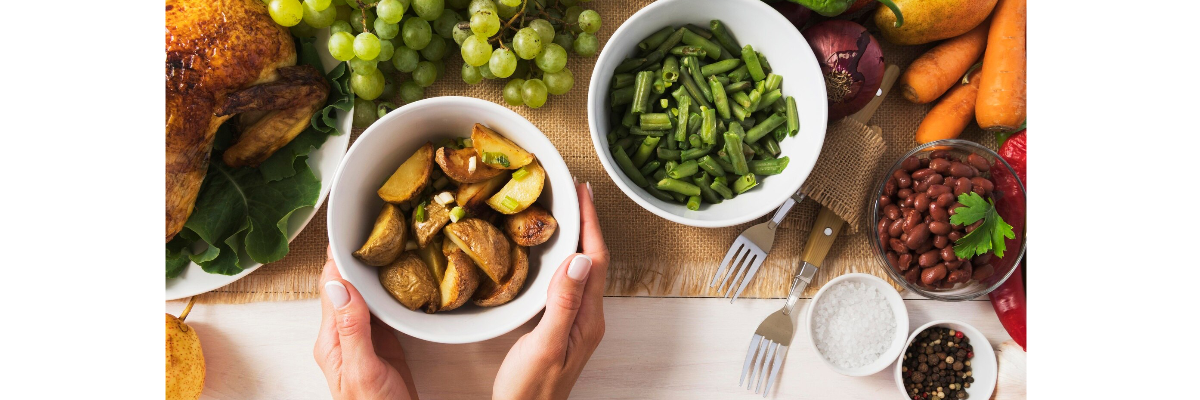
These foods are kind to a sensitive stomach and easy to digest. Build your first few meals around them.
- Plain scrambled eggs – gentle protein that most people tolerate well
- White toast or crackers – simple, low-fiber options that settle the stomach
- Applesauce – smooth and easy on your gut
- Broth-based soups – warm and soothing, without heavy chunks
- Mashed potatoes – soft and filling without adding strain
- Yogurt – smooth dairy that can help your gut feel steady
Start with a small portion, then wait to see how you feel. If it sits well, you can slowly eat a little more.
Focus on Hydration
Prep and sedation leave you dehydrated. Replacing fluids is just as important as choosing the right foods. Sip steadily through the day rather than gulping large amounts at once.
- Water – your main source of hydration after the procedure
- Electrolyte drinks – sports drinks help restore what prep flushed out
- Herbal tea – warm and calming, without milk or cream
- Clear fruit juice – apple or white grape juice for a gentle boost
Good hydration eases bloating and helps your system reset faster.
Foods to Avoid During Recovery
Here is where many people stumble. After a day without solid food, it is tempting to reach for a big, satisfying meal. That choice can leave you bloated, gassy, or uncomfortable when your gut is still waking up.
Some foods are simply too harsh for the first day. Giving them a short pause protects your comfort and lets your body recover smoothly.
- Fried or greasy foods – heavy fats are hard to digest on a tender stomach
- Spicy dishes – these can irritate a gut that is still settling
- Raw vegetables – high fiber adds strain too soon after the procedure
- Nuts and seeds – tough to digest and rough on a sensitive system
- Tough or fatty meats – heavy proteins slow things down
- Alcohol – it dehydrates you and clashes with any lingering sedation
Gentle choices like electrolyte drinks, clear juice, herbal tea, and plain crackers in those first hours. When in doubt, choose the milder option.
A Timeline for Returning to Normal Eating
Recovery does not last long, and that is reassuring. Most people feel back to themselves within a day. Knowing the rough timeline helps you plan your meals without worry.
Give your system a full day to reset. After that, you can gradually add back your regular foods and return to normal eating.
The First 24 Hours
Stick with soft, bland foods and steady fluids. This is the window where gentle choices matter most.
- Eat light – small portions of easy-to-digest foods
- Hydrate often – keep sipping water and electrolyte drinks
- Rest – your body heals faster when you take it easy
Day Two and Beyond
Once your stomach feels steady, you can ease back toward your usual diet. Add foods gradually rather than all at once.
- Reintroduce fiber slowly – start with cooked vegetables before raw ones
- Watch how you feel – add richer foods only when your gut feels ready
- Return to routine – most people eat normally within a day or two
If bloating or mild cramping lingers a little, that is common. It usually fades as your gut returns to its normal rhythm.
When to Contact a Specialist
Most recoveries are smooth and simple. Still, a few symptoms deserve prompt attention. Reaching out early protects your health and gives you peace of mind.
Contact your care team when:
- Bleeding is heavy – more than a small amount of blood is a reason to call
- Severe belly pain develops – strong or worsening pain is not typical
- Fever appears – this can signal a problem that needs review
- You cannot keep fluids down – ongoing nausea or vomiting warrants a call
If any of these apply, do not wait. Searching for a gut clinic near me or a gastrointestinal near me provider connects you with someone who can help quickly. A trusted gastroenterologist in NY can answer your questions and check that your recovery is on track. Many people feel far calmer once a Brooklyn gastroenterologist confirms everything is healing as it should.
Take the Next Step Toward a Smooth Recovery
Recovering after a colonoscopy comes down to a few simple steps. Start with soft, bland foods and plenty of fluids in the first 24 hours. Skip greasy, spicy, and high-fiber foods for the first day, then ease back to your normal diet as your gut settles. You now know exactly what to eat and what to avoid.
You do not have to manage recovery on your own. Our experienced team offers clear guidance, gentle care, and honest answers close to home. Whether you need a gut clinic near me for a screening or a trusted Brooklyn gastroenterologist to walk you through recovery, we are ready to help. Do not put off the care that protects your health — contact Doral Health & Wellness today at 1-718-365-2555 or visit us at 1797 Pitkin Avenue, Brooklyn, New York 11212. Take the first step toward a smooth recovery and lasting peace of mind. For general information about Doral Health & Wellness services, you can contact or email info@doralhw.org.