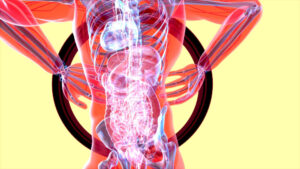
The cramping, bloating, and unpredictable trips to the bathroom can quietly take over your life. You may plan your days around the nearest restroom or dread eating out with friends. That worry is real, and you deserve clear answers instead of guesswork. Understanding what causes IBS helps you replace confusion with knowledge and take real steps toward comfort. Irritable bowel syndrome is a common disorder that affects how your gut works, bringing pain, bloating, and changes in bowel habits. The tricky part is that IBS has no single cause. Instead, several factors work together to upset the delicate balance in your digestive system. In this guide, you will learn the causes, the everyday triggers, how doctors test for it, and the treatments that bring lasting relief.
You do not have to sort through this discomfort alone. Doral Health & Wellness Gastroenterology offers experienced specialists who examine your symptoms, explain what is happening in plain language, and build a care plan around your needs. Our team listens closely and treats you with respect, so you always feel at ease. Reach out today to schedule a visit and take the first step toward relief.
What Causes IBS?
Here is the honest truth. Doctors do not know one single cause of IBS, and that can feel frustrating when you just want an answer. What experts do understand is that several factors overlap to disrupt normal gut function.
Your digestive tract relies on a steady rhythm of muscle contractions to move food along. In IBS, that rhythm goes off-beat. Contractions may become too strong or too weak, which leads to pain, gas, and irregular bowel habits.
Several factors appear to play a role:
- Gut muscle problems – contractions that are too strong or too weak change how food moves through you
- Oversensitive nerves – your gut nerves may overreact, turning normal digestion into discomfort
- Past infections – a severe bout of gastroenteritis can trigger IBS in some people
- Changes in gut bacteria – shifts in the balance of microbes may affect how your gut feels and works
IBS is often managed through changes in diet, lifestyle, medicines, and mental health support. That points to something reassuring — even without one clear cause, you have real ways to feel better.
Common IBS Triggers
Causes and triggers are not the same thing. A cause sets the stage for IBS, while a trigger sets off your symptoms on a given day. Knowing your triggers gives you back a sense of control.
Triggers vary widely from person to person. What upsets your gut may not bother someone else at all. That is why paying attention to your own patterns matters so much.
Food Triggers
Food is often the first suspect, and for good reason. Certain meals can spark cramping and bloating within hours.
While true food allergy rarely causes IBS, many people find specific foods set off their symptoms.
- High-gas foods – beans, cabbage, and carbonated drinks can increase bloating
- Fatty or fried foods – heavy meals may overwhelm a sensitive gut
- Caffeine and alcohol – both can stimulate the bowel and worsen symptoms
- Certain carbohydrates – some people react to wheat, dairy, or high-FODMAP foods
Keeping a simple food diary helps you spot your personal culprits. Once you know them, small swaps often bring big relief.
Stress and the Gut-Brain Connection
Your gut and brain talk to each other constantly. When stress rises, your digestive system often feels it first. This link explains why hard days so often bring flare-ups.
Most people with IBS notice worse symptoms during stressful periods. Stress does not cause IBS on its own, but it can amplify the signals between your brain and your gut.
- Emotional stress – anxiety and pressure can tighten and unsettle your gut
- Poor sleep – rest affects how your body manages pain and digestion
- Major life changes – transitions can stir up symptoms even without diet changes
Caring for your mind is part of caring for your gut. That connection works in your favor once you learn to support it.
How is IBS Diagnosed?
Wondering whether it is “just IBS” or something more serious is a heavy weight to carry. The good news is that a proper evaluation can lift that worry. A specialist can confirm IBS and rule out other conditions.
There is no single test for IBS. Instead, doctors look at your symptom pattern and rule out other causes. IBS as a usually lifelong condition that lifestyle changes and medicine can help manage.
Your evaluation may include:
- A symptom review – your doctor checks the pattern, timing, and type of your discomfort
- Blood tests – these help rule out conditions like celiac disease or infection
- Stool tests – used to check for signs of inflammation or infection
- A colonoscopy – occasionally recommended to rule out other bowel conditions
If you have been searching for a gut clinic near me, choose one that takes time to understand your full history. A skilled gastroenterologist in NY can guide you through testing without unnecessary procedures. Many people feel real relief once a Brooklyn gastroenterologist confirms the diagnosis and explains what comes next.
Treatment Options That Bring Relief
Here is the reassuring part. IBS is manageable, and most people find real improvement with the right plan. Treatment usually blends several approaches, tailored to your symptoms.
You do not have to try everything at once. Start with the basics and build from there with your care team.
Diet and Lifestyle Changes
For many people, small daily changes make the biggest difference. These steps cost little and often work within weeks.
- Adjust your fiber – more soluble fiber can ease constipation, while some find less helps diarrhea
- Eat regular meals – steady timing keeps your gut in a predictable rhythm
- Stay hydrated – water supports smoother digestion
- Move your body – gentle, regular exercise helps calm the gut and reduce stress
Medications
When lifestyle steps are not enough, medicine can help. Your doctor may suggest options based on your main symptoms.
- Antispasmodics – ease painful cramping
- Laxatives or anti-diarrheal medicines – target your specific bowel changes
- Probiotics – may help restore a healthier balance of gut bacteria
Mental Health Support
Because the gut-brain link is so strong, caring for your mind is a real treatment, not an afterthought. This approach helps many people who feel stuck.
- Stress management – relaxation techniques can quiet gut flare-ups
- Talk therapy – approaches like cognitive behavioral therapy have helped many with IBS
- Better sleep habits – steady rest supports both mood and digestion
If your symptoms feel overwhelming, searching for a gastrointestinal near me specialist is a smart, caring step. The right support turns a confusing condition into a manageable one.
Take the Next Step Toward Relief
IBS is common, manageable, and nothing you have to face on your own. You now understand what causes it, the food and stress triggers behind flare-ups, how doctors test for it, and the treatments that bring lasting comfort. The sooner you act, the sooner you feel like yourself again.
You do not have to manage this alone. Our experienced team offers gentle exams, honest answers, and patient-first care close to home. Whether you need advice from a caring gut clinic near me or a full evaluation from a skilled Brooklyn gastroenterologist, we are ready to help you feel better. Do not let discomfort control your days — contact Doral Health & Wellness today at 1-718-365-2555 or visit us at 1797 Pitkin Avenue, Brooklyn, New York 11212. Take the first step toward lasting comfort and confidence. For general information about Doral Health & Wellness services, you can contact or email info@doralhw.org.