You may have heard your doctor mention the prostate during a checkup, or read about it after a friend’s diagnosis. Then a natural question follows — where is the prostate located, and why does its position matter so much? For a gland most men never see or feel, it plays a surprisingly central role in daily comfort and long-term health.
The prostate sits at a busy crossroads inside the male body. It shares space with the bladder, the rectum, and the tube that carries urine out. That tight neighborhood explains why prostate changes often show up as urinary or sexual symptoms. This guide walks you through exactly where the prostate lives, what surrounds it, and how its location shapes the conditions men face most.
If you are noticing changes in urination or discomfort you cannot explain, you do not have to sort through it alone. Doral Health & Wellness Urology offers experienced, caring urology support to find the source of your symptoms and guide you toward relief. Our specialists listen closely and explain everything in plain language. Reach out today and take the first step toward answers.
Where is the Prostate Located in the Male Body?
Uncertainty about your own anatomy is common, and it can make symptoms feel more frightening than they need to be. The good news is that the prostate’s location is simple to picture once you know the landmarks.
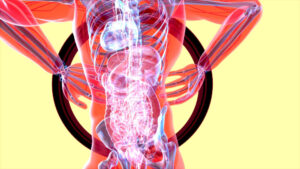
The prostate is a small gland, about the size of a walnut. It sits deep in the pelvis, tucked between several familiar structures. Here is where to find it:
- Just below the bladder – The prostate rests directly under the bladder, at the point where urine leaves.
- In front of the rectum – It sits close to the rectal wall, which is why a doctor can feel it during a physical exam.
- Around the urethra – The urethra, the tube that carries urine and semen out of the body, runs straight through the middle of the prostate.
Picture the bladder as a balloon and the prostate as a ring wrapped around the drain beneath it. That image explains a lot about how prostate problems feel.
Prostate Anatomy: Zones and Structure
Knowing that the prostate sits below the bladder is a start. Understanding its inner layout helps explain why different conditions affect different men.
The prostate is not one solid lump. Doctors divide it into zones, and each one behaves differently over time.
The Main Zones of the Prostate
- Peripheral zone – The largest section, located toward the back near the rectum. Most prostate cancers begin here, which is why rectal exams are useful.
- Central zone – Sits deeper in the gland and surrounds the ducts that carry sperm.
- Transition zone – Wraps around the urethra. This area tends to enlarge with age and is the main source of urinary symptoms.
A firm outer layer, called the capsule, surrounds the whole gland. Understanding these zones helps your urologist pinpoint what is happening and choose the right test or treatment.
Neighboring Structures Around the Prostate
Pain or pressure in the pelvic area can feel confusing because so many organs sit close together. Naming those neighbors makes symptoms easier to understand.
The prostate shares its space with several important structures:
- The bladder – Sits directly above the prostate and stores urine.
- The rectum – Lies just behind the prostate, separated by a thin wall of tissue.
- The urethra – Passes through the center of the gland on its way out of the body.
- The seminal vesicles – Small glands behind the prostate that add fluid to semen.
- The nerves for erection – Delicate nerves run alongside the prostate, which is why surgery in this area requires great care.
Because these parts are packed so tightly, even a small change in the prostate can press on a neighbor and cause noticeable symptoms.
Why the Prostate’s Location Matters for Your Health
A prostate problem rarely stays quiet. Its position around the urethra means changes in the gland often show up first as changes in how you urinate. That connection is the key to understanding common prostate conditions.
Here is how location links to the three most common concerns:
- Benign Prostatic Hyperplasia (BPH) – As the transition zone enlarges with age, it squeezes the urethra. This can cause a weak stream, dribbling, or frequent trips to the bathroom at night.
- Prostatitis – Inflammation or infection of the gland can bring burning, pelvic pain, and discomfort while sitting.
- Prostate Cancer – Because most tumors start in the peripheral zone near the rectum, early cancer may cause few symptoms, which is why screening matters so much.
When you understand where the prostate sits, symptoms stop feeling random. They start pointing you toward the right kind of care.
When to See a Urologist
Putting off a checkup rarely makes symptoms fade. Acting early gives you more options and far less worry.
Consider booking a visit if you notice:
- Ongoing urinary changes – Weak flow, urgency, or frequent nighttime trips.
- Pain or pressure – Discomfort in the pelvis, lower back, or during urination.
- Blood in urine or semen – Always worth prompt attention.
- You are over 50 or have a family history – Routine screening becomes more important with age.
If any of these sound familiar, a quick search for a “urologist near me” is a smart next step. A trusted urology clinic near me can confirm the cause and start your care right away. For anyone looking for a urologist in NY, skilled help is closer than you think. Dependable Brooklyn urology practices offer screening, testing, and treatment plans built around you — so finding a caring urologist near me means answers without the long wait.
Take Charge of Your Prostate Health
Your prostate may be small, but its location gives it a big impact on your comfort and health. Now you know where the prostate is located — below the bladder, in front of the rectum, and wrapped around the urethra — and why that position drives so many common symptoms. Recognizing changes early puts you in control, and most prostate conditions are very manageable with the right specialist by your side.
You deserve care that listens and acts. If you are searching for a reliable urology clinic near me or a trusted Brooklyn urology team, help is nearby. To schedule your visit, contact Doral Health & Wellness today at 1-718-365-2555 or visit us at 1797 Pitkin Avenue, Brooklyn, New York 11212. Our specialists are ready to bring you clear answers, expert care, and real peace of mind.
For general information about Doral Health & Wellness services, you can contact or email info@doralhw.org.