A swollen, achy leg can be frightening. When it comes on suddenly, your mind races to the worst possibility—a blood clot. That fear is valid, and it deserves a clear answer.
The good news is that finding out is simpler than you think. A vascular ultrasound is a painless, non-invasive test that checks for deep vein thrombosis (DVT) without needles, radiation, or recovery time. It uses sound waves to create pictures of the blood flow in your legs, so your care team can see a clot if one is there.
In this guide, you will learn what DVT is, how the test works, and how to take the next step in Brooklyn. Whether you are worried about yourself or a loved one, you do not have to face this alone.
What Is DVT, and Why Does It Matter?
Deep vein thrombosis happens when a blood clot forms in a deep vein, usually in the leg. Left untreated, that clot can travel to the lungs and become life-threatening.
DVT affects up to 900,000 people in the United States each year. It matters because early detection saves lives.
Watch for these common warning signs:
- Swelling in one leg, often the calf or thigh
- Pain or tenderness that feels like cramping
- Warmth or redness over the affected area
- Skin discoloration that looks red or bluish
If your loved one is recovering from surgery, was recently discharged from the hospital, or spends long periods in bed, their risk goes up. Knowing the signs helps you act quickly—and acting quickly is what protects them.
How a Vascular Ultrasound Detects a Clot
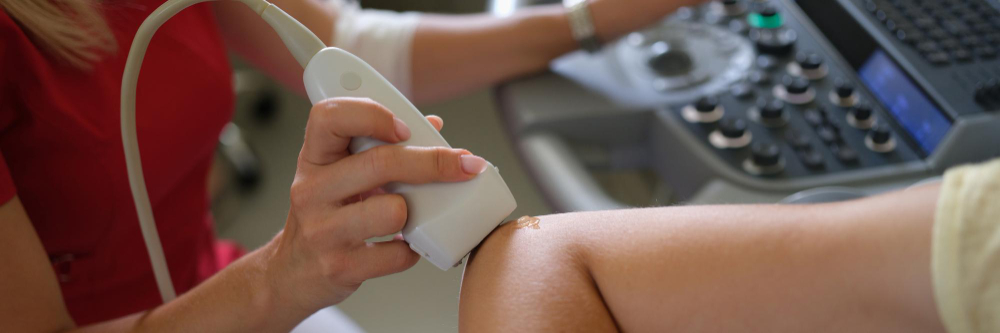
Here is what makes this test so reassuring: it is completely non-invasive. There are no needles and no dye. You simply lie down while a technician moves a small handheld device over your skin.
The device sends sound waves through your leg and reads how blood moves through your veins. If blood flow slows or stops, that may signal a clot. Results are often available the same day.
For most people, a vascular ultrasound is the first and only imaging step needed. It is safe enough to repeat, which helps your care team track healing over time. If you want a broader picture of your care options, our in-home vascular care services bring this expertise directly to you.
When Other Tests Come In
Sometimes a doctor needs more detail. In rare cases, a leg angiogram may be ordered to map the veins and arteries more precisely.
A leg angiogram uses contrast dye and imaging to show blockages an ultrasound might miss. This step is far less common, and your care team will explain it in plain terms before anything happens. You will always know what to expect.
Getting Care in Brooklyn
Finding the right provider close to home brings real peace of mind. A skilled vascular surgeon Brooklyn families trust can review your ultrasound, confirm a diagnosis, and guide your treatment.
Many patients worry about traveling for tests, especially after surgery or a fall. That is why at-home visits matter—expert care can come to you. For more on preparing for a visit, see our guide on recognizing blood clot symptoms.
Your care plan may include:
- Personalized monitoring with follow-up ultrasounds as needed
- Medication support to help prevent new clots
- Clear communication with your family every step of the way
A trusted vascular surgeon Brooklyn residents can reach quickly makes all the difference when time is short.
Seeking Help For Vascular Health
You should never have to wonder alone whether a leg symptom is serious. A vascular ultrasound gives you a fast, painless answer and a clear path forward.
If you or a loved one has swelling, pain, or discomfort in the leg, reach out today to our vascular team by calling 1-347-384-5690 or visiting us at 1797 Pitkin Avenue, Brooklyn, New York 11212 to schedule a visit. Compassionate, expert care is closer than you think.