Glaucoma steals sight so quietly that many people never notice until real damage is done. That is what makes it so frightening. You may feel fine, see well enough to drive, and still have glaucoma slowly narrowing your world. So what does glaucoma look like from the inside? In its early stages, it often looks like nothing at all. As it progresses, you may notice blank spots at the edges of your view, a narrowing “tunnel” of clear sight, or glowing rings around lights at night. Understanding these visual changes helps you act before your vision slips away. This guide walks you through exactly what glaucoma looks like, so you know when it is time to have your eyes checked.
If your vision has changed or glaucoma runs in your family, please do not wait. At Doral Health & Wellness Ophthalmology, our caring specialists provide thorough glaucoma screening and clear, honest answers in plain language. We take the time to explain what we see and what it means for you. Reach out today and let us help you protect the sight you depend on.
What Does Glaucoma Look Like in Everyday Life?
The hardest truth about glaucoma is that you cannot feel it happening. There is no ache, no blur, no warning bell in the early stages. That silence is exactly why so many people are caught off guard.
Glaucoma damages the optic nerve, usually because of rising pressure inside the eye. This damage chips away at your vision from the outside edges first, moving slowly toward the center. Because your brain fills in the gaps, you often do not notice the loss until it is significant.
Here is what the changes tend to look like over time:
- Peripheral vision loss – The first and most common sign. You may bump into door frames, miss steps, or fail to see someone standing beside you.
- Tunnel vision – As the disease advances, your field of view narrows, as if you are looking through a straw or paper towel roll.
- Blind spots – Patchy dark or missing areas, called scotomas, appear in your field of sight.
- Halos around lights – Glowing rings or circles around lamps and headlights, often worse at night.
- Blurred or dim vision – Colors and details may look faded or hazy in later stages.
The takeaway is simple. If your world feels smaller or dimmer than it used to, your eyes are asking for attention.
Open-Angle vs. Angle-Closure: Two Very Different Pictures
Not all glaucoma looks the same. The two main types behave in almost opposite ways, and knowing the difference could protect your sight, or even save it. One creeps in without a sound. The other can strike like an emergency.
Understanding both helps you recognize what you are seeing and how quickly you need to act.
Open-Angle Glaucoma: The Silent Type
Open-angle glaucoma is the most common form. It develops slowly and painlessly, which is why it so often goes unnoticed.
- Gradual peripheral loss – Your side vision fades first, so slowly you may not notice for years.
- No early symptoms – Most people feel completely normal in the beginning.
- Late-stage tunnel vision – Without treatment, your central vision eventually narrows too.
Because this type gives no warning, regular eye exams are your only real defense. An ophthalmologist in NY can catch open-angle glaucoma long before you would ever notice a change.
Angle-Closure Glaucoma: The Emergency Type
Angle-closure glaucoma is less common but far more urgent. It can come on suddenly and demands immediate care.
- Severe eye pain – Often sharp and unmistakable.
- Sudden blurred vision – Your sight can cloud quickly.
- Halos around lights – Colored rings appear around bright sources.
- Headache, nausea, or vomiting – Your whole body may react.
- Red eye – The affected eye may look inflamed.
These signs are a medical emergency. If you or a loved one experiences them, seek help right away. Fast treatment can prevent permanent vision loss.
How a Dilated Eye Exam Reveals What You Cannot See
You cannot diagnose glaucoma on your own. The early damage happens deep inside your eye, far beyond anything you could notice in a mirror. That is why a professional exam matters so much.
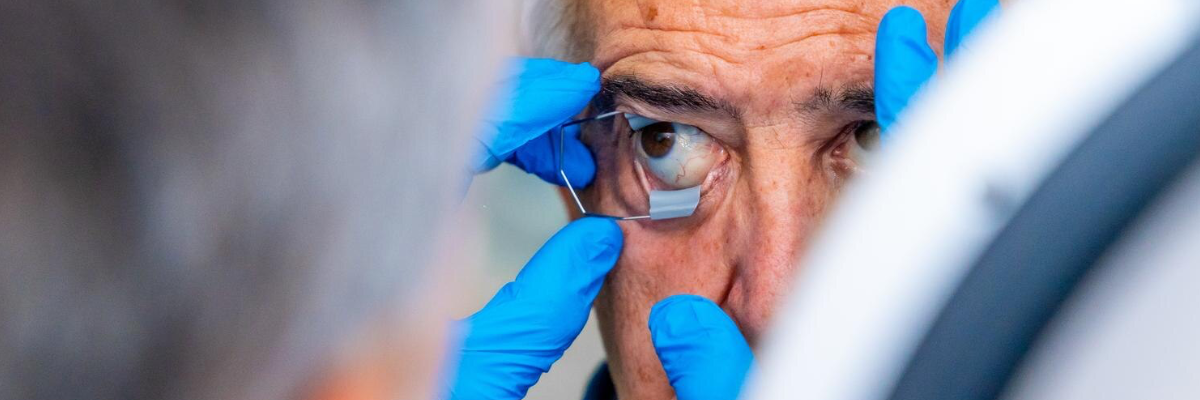
A comprehensive dilated eye exam gives your doctor a clear, direct view of your optic nerve. During the visit, gentle drops widen your pupils so the back of your eye becomes visible. This is the most reliable way to catch glaucoma early, before any sight is lost.
What Happens During Your Exam
A thorough glaucoma screening usually includes:
- Eye pressure test – A quick, painless check for elevated pressure inside the eye.
- Optic nerve exam – A close look at the nerve for early signs of damage.
- Visual field test – A simple measure of your side vision to reveal hidden blind spots.
- Dilated exam – Drops that let your doctor see the full back of your eye.
None of these tests hurt, and together they paint a complete picture of your eye health. Booking with an ophthalmologist near me makes this easy to arrange. When you search for an eye clinic near me, look for a caring team that offers full glaucoma testing in one comfortable visit.
Protect Your Sight Before Glaucoma Takes It
Glaucoma may work in silence, but you do not have to. You now know what glaucoma looks like, from the slow fade of peripheral vision to the sudden alarm of an angle-closure attack. You know the warning signs, the difference between the two main types, and how a simple dilated exam can catch trouble early. That knowledge is powerful, and it puts you in control.
You do not have to face this alone. At Doral Health & Wellness, our compassionate specialists provide complete glaucoma screening, clear explanations, and gentle, ongoing care for you and your loved ones. From your first exam to every follow-up, we help you feel secure, informed, and truly cared for. When you look for a trusted ophthalmologist near me or dependable Brooklyn ophthalmology care, remember that expert help is right here in your neighborhood.
To schedule your appointment, contact Doral Health & Wellness today at 1-718-365-2555 or visit us at 1797 Pitkin Avenue, Brooklyn, New York 11212. For general information about Doral Health & Wellness services, you can contact or emailinfo@doralhw.org.