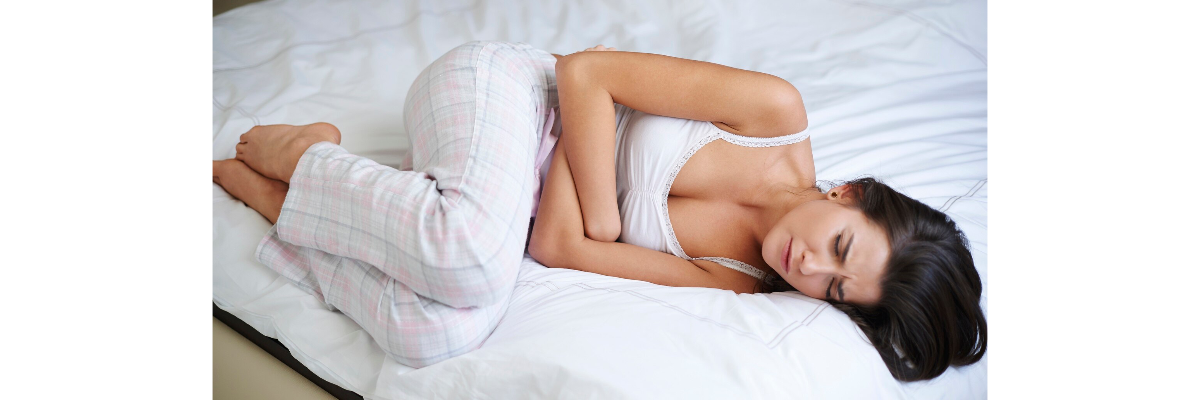
The pain does not stop when your period ends. It shows up during sex, in your lower back, even when you use the bathroom. And when you describe it, people tell you it is just cramps. If you have wondered what does endometriosis feel like, you are asking a question that deserves a real answer.
Endometriosis is a condition where tissue similar to the lining of the uterus grows outside it. That tissue swells and bleeds with your cycle, but it has nowhere to go. The result is pain that follows patterns many patients recognize once they hear them named. In this guide, you will learn the pelvic pain patterns, how period pain differs from endometriosis, and the other symptoms worth knowing.
Your pain is real, and you deserve to be heard. At Doral Health & Wellness Gynecology, our compassionate women’s health specialists take your symptoms seriously and work with you to find the source. Whether your pain is new or has followed you for years, we listen and guide you toward relief. Reach out today to schedule a visit and start getting answers.
What Does Endometriosis Feel Like? The Pelvic Pain Patterns
The most common sign of endometriosis is pelvic pain. But it is not one single feeling. Patients describe it in many ways, which is part of why the condition often goes unrecognized for years.
Pelvic pain is the most common symptom, and it can range from intense to mild. It often worsens just before and during your period. Here are the pain patterns patients describe most often:
- Deep, aching pressure – A constant heaviness low in your pelvis that feels different from surface cramping.
- Sharp, stabbing pain – Sudden jolts that can catch your breath and come without warning.
- Radiating pain – Discomfort that spreads to your lower back, hips, or down your legs.
- Pain that lingers – Aching that continues for days rather than fading with your period.
Naming your pain is the first step toward addressing it. When you can describe what you feel, a specialist can begin to connect the dots.
Period Pain vs. Endometriosis Pain
Many women grow up believing severe period pain is normal. It is not. There is a real difference between typical cramps and the pain of endometriosis, and knowing that difference matters.
Pelvic pain and cramping may start before your period and last for days into it, often paired with lower back and stomach pain. That timeline stands out from ordinary cramps.
How to Tell the Difference
Here are signs your period pain may be something more:
- Pain that starts early – Cramping that begins days before bleeding, not just on day one.
- Pain that outlasts your period – Discomfort that continues after bleeding stops.
- Pain that disrupts your life – Symptoms that keep you home from work, school, or the things you love.
- Pain that resists relief – Cramps that over-the-counter medicine barely touches.
If this sounds familiar, you are not overreacting. A search for a trusted women’s clinic near me is a smart way to find someone who will take a closer look.
Pain During Sex
Painful intercourse is one of the most personal and least discussed symptoms of endometriosis. It can strain relationships and leave you feeling isolated. You are not alone in this.
This pain often feels deep rather than surface-level. It may appear during sex or linger for hours afterward. The reason is simple: endometrial tissue behind the uterus or along the pelvic ligaments gets pulled and pressured during intimacy.
You do not have to accept this as your normal. A caring provider in Brooklyn gynecology can explore the cause and discuss options that help you feel comfortable again.
Bowel and Bladder Symptoms
Endometriosis does not stay in one place. When tissue grows near the bowel or bladder, it can cause symptoms that many women never connect to a gynecologic condition. That gap often delays diagnosis.
These symptoms tend to flare with your menstrual cycle, which is a key clue. Watch for:
- Painful bowel movements – Discomfort that peaks during your period.
- Bloating and pressure – A swollen, heavy feeling sometimes called “endo belly.”
- Painful urination – Burning or aching when you go, especially around your cycle.
- Frequent urges – Needing the bathroom more often than usual.
If your digestive or urinary symptoms rise and fall with your period, that pattern is worth mentioning. A skilled gynecologist in NY can help sort out what is behind it.
The Symptoms That Are Not About Pain
Endometriosis is more than pain. Some of its effects are quieter, yet they shape daily life in powerful ways. Recognizing them helps you see the fuller picture.
Fatigue
Deep, persistent tiredness is common with endometriosis. This is not ordinary sleepiness. It is an exhaustion that rest does not seem to fix, often tied to your body’s ongoing inflammation.
Infertility
For some women, trouble getting pregnant is the first sign something is wrong. According to the American College of Obstetricians and Gynecologists (ACOG), endometriosis is a common cause of infertility. Research links the condition to chronic pelvic pain and painful periods that often go hand in hand.
The good news is that many treatment paths exist. Early answers open more doors.
When to See a Specialist
You do not have to wait until the pain takes over your life. Endometriosis can take years to diagnose, and that delay is often because symptoms get dismissed. You deserve better.
Consider booking a visit if you notice:
- Severe or worsening period pain – Cramps that disrupt your daily routine.
- Pain during or after sex – Deep discomfort that keeps returning.
- Cycle-linked bowel or bladder symptoms – Digestive or urinary changes tied to your period.
- Trouble getting pregnant – Especially alongside pelvic pain.
If you have typed GYN near me into a search bar, trust that instinct. Endometriosis is manageable, and the right care team can ease your symptoms and protect your long-term health. You do not have to face this alone.
Take the Next Step Toward Relief
Understanding what endometriosis feels like gives you power. You now know the pelvic pain patterns, how it differs from ordinary period pain, and the other symptoms worth watching. Deep aching, pain during sex, cycle-linked bowel changes, and unexplained fatigue are all worth a conversation. The sooner you act, the sooner you find relief.
At Doral Health & Wellness, our experienced women’s health specialists provide gentle, expert care for endometriosis in a welcoming setting. Whether you are seeking answers for the first time or want a care team that finally listens, we support you at every step with honest guidance and personalized treatment. To begin your journey toward lasting relief, contact Doral Health & Wellness today at 1-718-365-2555 or visit us at 1797 Pitkin Avenue, Brooklyn, New York 11212.
For general information about Doral Health & Wellness services, you can contact or email info@doralhw.org.